There's something inherently magical about a royal coronation: a display of grandeur that captures the essence of history while celebrating new beginnings. But in 1937, the coronation of King George VI featured an extraordinary twist on tradition that stunned both court and country. The unforgettable presence of Queen Mary, who opted to grace her son's ceremony with her regal presence, transformed a conventional moment into a bold declaration of maternal pride and personal resilience. She attended not as a distant witness, but as a prominent figure seated in the front row, robed in silver lamé and dazzling diamonds. This unexpected decision not only defied precedent but left an indelible mark on the history of the British monarchy.
The Unyielding Spirit of Queen Mary
The indomitable Queen Mary, known as Mary of Teck before her own ascension, was no stranger to the burdens and beauties of royal life. Married to King George V, she had seen her fair share of royal spectacle and solemnity. The death of her husband in 1936 left her as Queen Dowager, a title traditionally accompanied by certain unspoken rules and expectations. One such tradition suggested that a queen dowager should remain absent from her son's coronation, deemed too personal, too intimate a moment to witness as a widow. But Queen Mary was not one to retreat into the shadows of convention.
Her decision to attend the coronation of her son, King George VI, was as audacious as it was deliberate. She was determined to forge a new path, demonstrating both strength and solidarity with her family. Royal protocol may have whispered against her presence, yet her steadfast determination sang a different tune—a tune of familial bonds and enduring support.
The Gown that Sparkled Like a Symbol
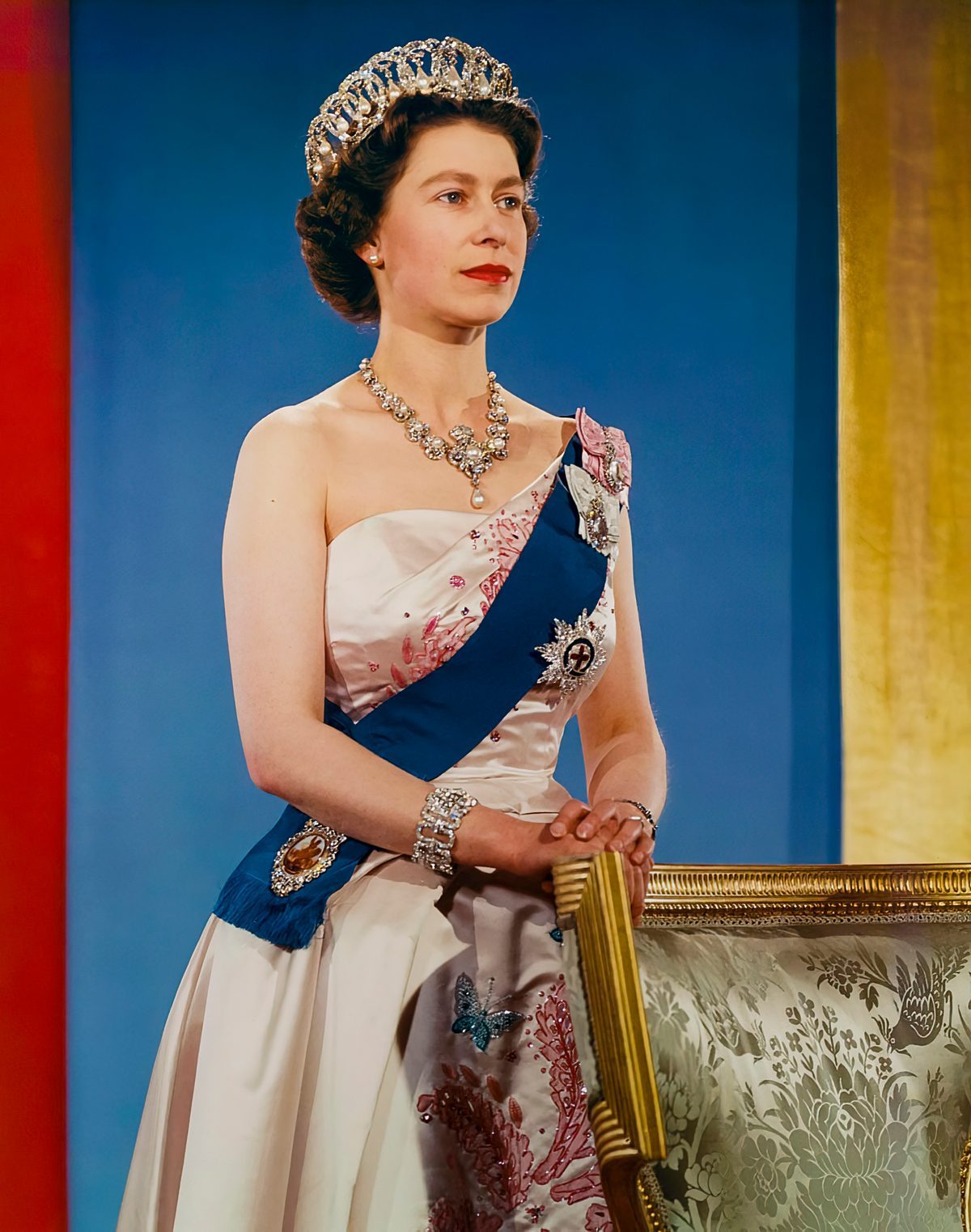
On May 12, 1937, Westminster Abbey was abuzz with the anticipation of witnessing history yet again. And there, amidst the reputable gathering, Queen Mary emerged like a vision draped in luminescent silver lamé—a fabric as timeless as her aura—and adorned with brilliant diamonds. Her attire was more than mere cloth and jewels; it was an emblem of continuity and a testament to her unbroken will.
Queen Mary's gown, exquisite and perfectly tailored, became a canvas painted with designs of sophistication and grace. The choice of silver lamé spoke volumes, echoing the tones of royalty while capturing the contemporary styles of the 1930s. The diamonds, glistening upon her crown and draping delicately around her neck, shimmered under the light—a reflection, perhaps, of the inner sparkle of a mother proud of her son's ascension to kingship.
A Historic Coronation Amidst Challenges
While the ceremony itself was steeped in tradition, the context surrounding King George VI's coronation was anything but ordinary. Following the abdication of his brother, King Edward VIII, George ascended the throne under the cloud of expectation and uncertainty. His sudden rise to kingship necessitated resolve and a steady hand—qualities imparted from his mother, who keenly observed from the front row.
Queen Mary's presence was not merely a break from royal custom; it was an act of camaraderie and confidence. Her subtle assurance served as balm for her son, who, according to historical accounts, wrestled with nervousness about his royal role. A testament to his late father’s legacy and his mother’s strength, King George VI carried the mantle she had once worn with unwavering poise.
The Monarchial Evolution Through Fashion
Fashion has often served as a mirror reflecting the ever-evolving inclinations of the monarchy. Through her choice of attire, Queen Mary contributed not just to a fashion statement, but to a larger narrative of the monarchy's adaptability and durability. Her glittering gown was a physical embodiment of glamor, serving as a nod to both the allure of tradition and the pull of progressive change.
Queen Mary's choice of silver and diamonds for the coronation speaks to the continuation of an imperial narrative while subtly ushering in a new chapter. Every piece of her outfit whispered stories from the past and wove them into present joy, a ceremonial echo ringing through time and memory.
Reflecting on Regal Legacy
Queen Mary’s heartening choice to attend her son’s coronation and the mesmerizing ensemble she donned, illustrate not only a moment of personal and public significance but also underscore a royal legacy that transcends decades. Her presence at Westminster Abbey, an embodiment of steadfast maternal devotion, paved the way for future queens to embrace the ceremonies of their descendants with dignity and grace.
The stories we revisit from the past, like that of Queen Mary's display of fortitude and fashion in 1937, resonate deeply with modern audiences yearning for tales of valor, loyalty, and love. These stories remind us that while monarchies may shift with the tides of time, the heart of royalty beats on—strong, steady, and splendid. Whether through silver gowns or diamond crowns, the legacy endures, linking yesterday's customs with tomorrow's traditions within the palace walls and beyond.
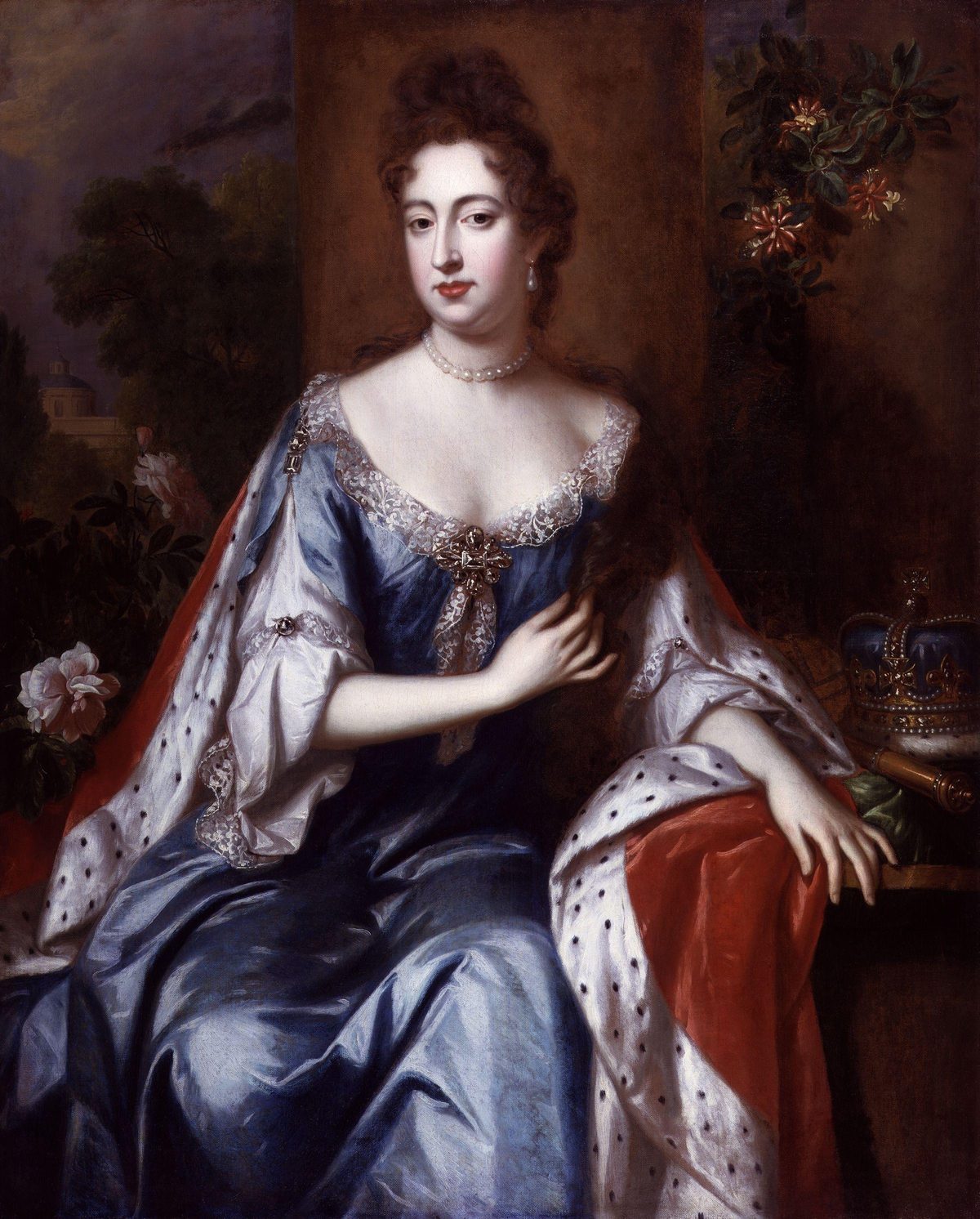
📷 Photo: Attributed to Jan van der Vaart. Public domain via Wikimedia Commons.