In 1985, Princess Diana arrived in Milan — the fashion capital of the world — wearing a Bruce Oldfield midnight blue velvet gown that stopped the city cold. Italy’s most celebrated designers had dressed the world’s most beautiful women. Not one of them had seen anything quite like this. As Diana stepped from the car at a charity gala attended by the elite of Italian society, she emanated an aura of glamour, sophistication, and undeniable star power. The evening was designed to celebrate goodwill and cross-cultural ties, but it became clear that the true celebration was of Diana herself—her elegance, her persona, and her unparalleled impact on the world stage.
The Moment: A Royal Arrival
It was a chilly Milanese night when the world became entranced by the sight of Princess Diana stepping into the city’s elite circle. Surrounded by the whir of photographers' cameras and a flurry of excitable whispers, Diana brought a touch of British grace to the Italian metropolis renowned for its own fashion significance. Onlookers watched in awe as she exited the vehicle in front of the Piccolo Teatro, where a gala event was taking place in honor of the occasion. It was a night of philanthropy hosted by the British Consulate, committed to fostering deeper cultural ties between Britain and Italy, but it was Diana’s sartorial statement that truly captured the world’s attention.
The gown she wore was quintessential Diana—a Bruce Oldfield masterpiece that seamlessly combined classic elegance with modern sensibility. This midnight blue velvet silhouette hugged her figure with a soft embrace, casting an aura of regal mystery. The off-the-shoulder design provided a subtle allure, perfectly balanced by the conservative leanings of royal protocol. As she took her place inside the venue, applause was nearly forgotten, replaced by an awed silence that spoke volumes. Milan, accustomed to the bold creations of its own Giorgio Armani and Gianni Versace, found itself entranced by British sophistication delivered courtesy of its beloved princess.
The Gown: Bruce Oldfield’s Vision of Elegance
The gown was a creation by Bruce Oldfield, a designer whose expertise in merging traditional elegance with contemporary flair made him a royal favorite. Oldfield was known for dressing some of the most iconic women of the time, and his collaboration with Princess Diana was a natural fit. The choice of midnight blue velvet was audacious—a departure from the more traditional silks and chiffons often chosen for royal evening wear. This color was not only flattering to Diana’s complexion but served as a nod to her delicate blend of conventional and cutting-edge fashion choices.
The off-the-shoulder neckline demonstrated Diana’s penchant for challenging royal dress codes, albeit with grace and sophistication. Her choice of jewelry was just as thoughtful; a simple pearl choker adorned her neck, adding a touch of classic refinement without overpowering the ensemble. Each fashion choice was deliberate, echoing Diana’s understanding of the symbiotic relationship between royal customs and the evolving landscape of style.
The Reaction: A City Stunned
Milan, a city accustomed to the brilliance of fashion week and the genius of its homegrown designers, found itself surprisingly in the grip of a British icon. The reaction from Italy’s fashion titans was nothing short of remarkable. Designers like Valentino and Milan’s own Giorgio Armani had spent years defining the elegance of the Italian woman, yet on that night, it was a British rose who held their esteemed admiration.
Even the most seasoned fashion journalists were quick to highlight the emotional allure of Diana’s gown in their headlines. “La Moda della Monarchia”—the fashion of the monarchy—blared from newspaper covers the next morning, cementing the moment in fashion history. For those present, it was a confluence of fashion expertise and royal charisma, a perfect illustration of Diana's innate ability to transcend geographic boundaries with her style.
The Legacy: Diana’s Influence on Fashion Today
The royal presence Diana encapsulated that evening left an indelible mark on the world of fashion. Her bold sartorial choices have inspired designers across continents, encouraging them to embrace a duality of tradition and modernity. Within the royal court, Diana often navigated the tightrope walk between convention and innovation, her gowns serving as visual representations of her defiance and dignity.
The ripple effect of 1985 reaches even today's runway shows, where echoes of Diana’s influence are showcased through off-the-shoulder looks and the velvet renaissance seen in evening wear collections. Her blend of protocol-appropriate attire with personal style continues to serve as a blueprint for current royal fashionistas, including the likes of the Duchess of Cambridge.
Beyond the sumptuous fabrics and mesmerizing designs, Diana's ability to convey warmth and relatability while adorned in fashion masterpieces remains her most significant contribution to the royal image. Her sartorial choices carried messages of hope—spotlighting charities, lending support through fashion diplomacy, and fostering international affinities.
The Lasting Impact: An Undying Presence
In today's fast-paced digital world, the images of Princess Diana continue to evoke heartfelt admiration and adoration. The gown she wore on that fateful Milanese evening stands as a testament to her enduring legacy within the realm of high fashion. It reminds us of a vibrant princess whose capacity to break cultural barriers and rewrite royal expectations continues to resonate beyond her years.
As we reflect on that pivotal moment in 1985, we see that Diana wasn’t just a royal icon; she was a transformative figure who redefined what it meant to be a princess in the modern age. Her prowess in navigating social change, coupled with her undeniable sense of style, paved the way for the contemporary conversations surrounding fashion and female empowerment, illustrating that even within the strictures of tradition, the human spirit can—and indeed does—shine through.
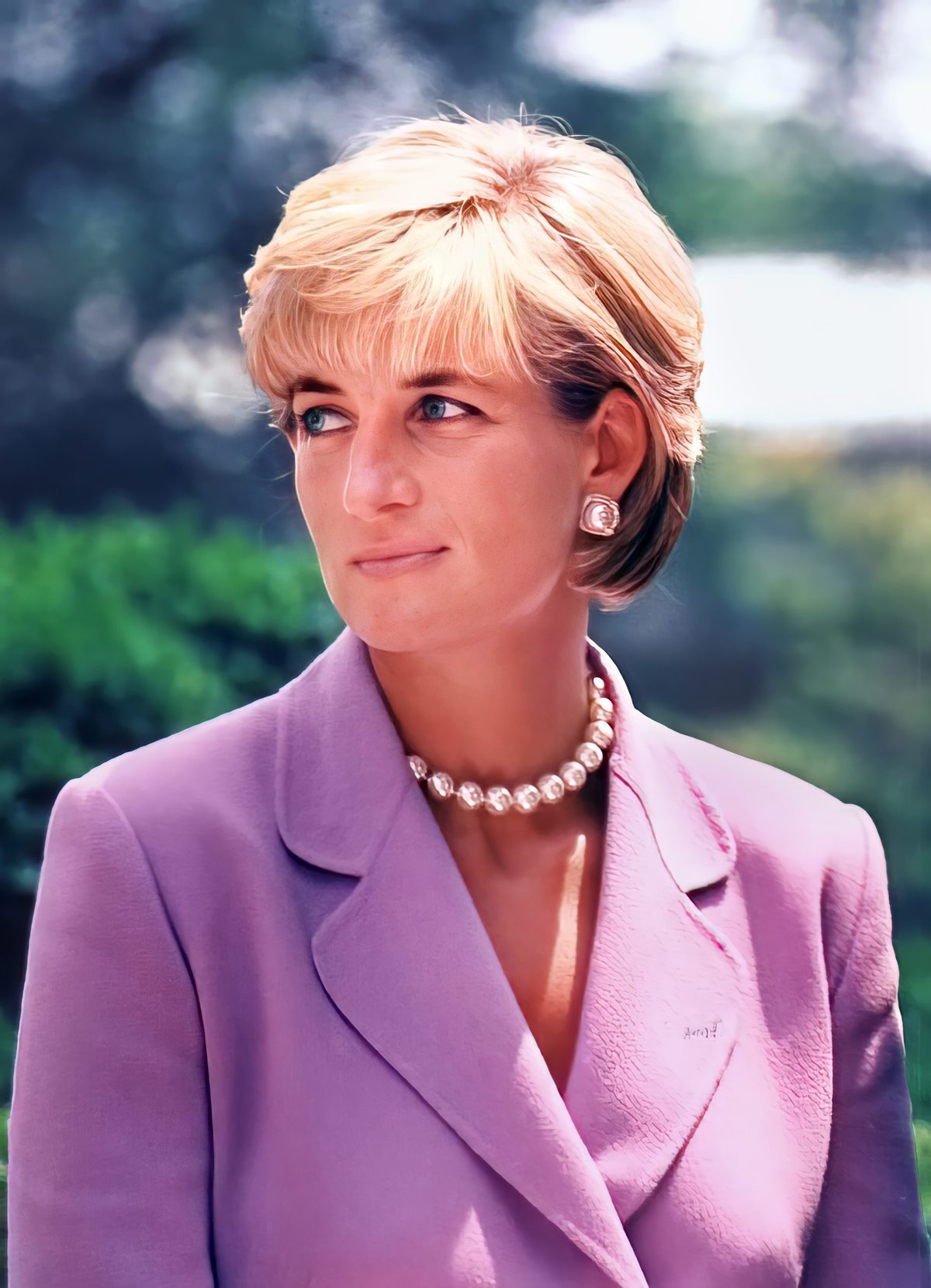
📷 Photo: L.H and H. Public domain via Wikimedia Commons.