A Heartfelt Gesture from Balmoral
In the quiet corridors of the British monarchy, where tradition and duty interlace with a thousand years of history, an unexpected and deeply human note from Queen Elizabeth II reminds us of the profound empathy at the heart of the Crown. Nestled among the thousands of letters received by Buckingham Palace in 1966, one small pencil-written note from a grief-stricken child reached the royal hand directly, eliciting an extraordinary response from the Queen herself. Unbeknownst to most, this personal correspondence would become a cherished symbol of compassion amidst unspeakable tragedy — a single handwritten letter that radiates warmth and understanding, signed simply, "Elizabeth."
The Shadow of Aberfan
On October 21, 1966, Aberfan, a small Welsh village, was struck by disaster when a coal spoil tip collapsed, engulfing Pantglas Junior School, and claiming the lives of 116 children and 28 adults. The tragedy reverberated across the United Kingdom, casting a long, somber shadow over the country and forever altering a tight-knit community. The Queen, often perceived as stoic and reserved, was acutely aware of the national grief. The Aberfan disaster incited an outpouring of condolences, but perhaps none so heartfelt or earnest as that from a nine-year-old boy who simply wished to communicate his sorrow over the loss of a friend.
A Boy’s Simple Words
Among the avalanche of correspondence that inundated the palace in the wake of Aberfan, one letter stood out. It was a simple, heartfelt note, scrawled in pencil by a young boy whose heart had been forcibly expanded by tragedy. He wrote not to demand comfort or attention, but to share his profound sense of loss — to tell the Queen about a treasured friend who had been lost in the disaster. This boy's tender articulation of grief caught the attention of a senior aide, who delivered the letter straight to Her Majesty's private desk.
The Queen’s Personal Response
Queen Elizabeth II, who had come under scrutiny for her perceived reticence to visit Aberfan immediately after the disaster, spent time contemplating the young boy's note in the relative privacy of Balmoral. Moved by the simplicity and sincerity of his words, she chose to respond in a way that would surprise the world. In a rare deviation from protocol, the Queen took pen to paper herself, crafting a response in her own hand. Traditionally, the vast majority of royal correspondence is managed by palace officials, but this letter was different. With pen in hand, the Queen became a grandmother-like figure offering solace to a child who needed it most.
"Dear Peter," she began, expressing her sorrow over the tragedy that had befallen his school and community. "I am deeply sorry to hear about the loss of your friend, and I want you to know that he and all the children will be in my thoughts."
The Queen's words were warm and reassuring, drawing a poignant connection across the boundaries of status and circumstance. The young boy, who has chosen not to reveal his identity publicly in recent years, cherishes the Queen's letter to this day. To him, it was not just a letter from a figurehead, but a nod to his personal grief from a sovereign known more for her poise than her palpable empathy.
The Human Face of Monarchy
This remarkable exchange is a powerful testament to the humanity behind the throne. It unveils a side of Queen Elizabeth II often eclipsed by the pomp and ceremony of her public role. Despite her duty-bound demeanour and the traditions of the monarchy, she possessed a profound sensitivity to her countrymen’s suffering. The personal nature of her response serves as a tangible reminder that the monarchy, at its best, embodies a deeply felt commitment to the welfare of its subjects.
For the many who grappled with the devastation of Aberfan, the Queen's letter exemplified that commitment and the monarchy's role as a source of steadfast comfort amid national adversity. The royal family's ultimate visit to Aberfan initiated a tradition of enduring ties with the community, reinforcing the monarchy's presence as a companion in times of national grief.
A Timeless Legacy of Empathy
As the decades have drifted by, Queen Elizabeth's handwritten note remains a beacon of the profound, quiet compassion that defined her long reign. It represents more than a singular act of kindness; it captures an ethos of empathy that persists within the royal family. In our own times, as the United Kingdom continues to navigate trials and tribulations, it is the monarchy's ability to lend a listening ear and offer solace, much as Queen Elizabeth did in 1966, that continues to anchor their relevance and respect in the hearts of many.
The world evolves, and with it, the intricacies of the monarchy change. Yet, it is stories like these—intimate whispers of kindness across the corridors of power—that cement the enduring, human heart of the institution. It dazzles not only with the ceremonial, but also with its genuine reflections of empathy, connecting the past with the present, and the Crown with its people.
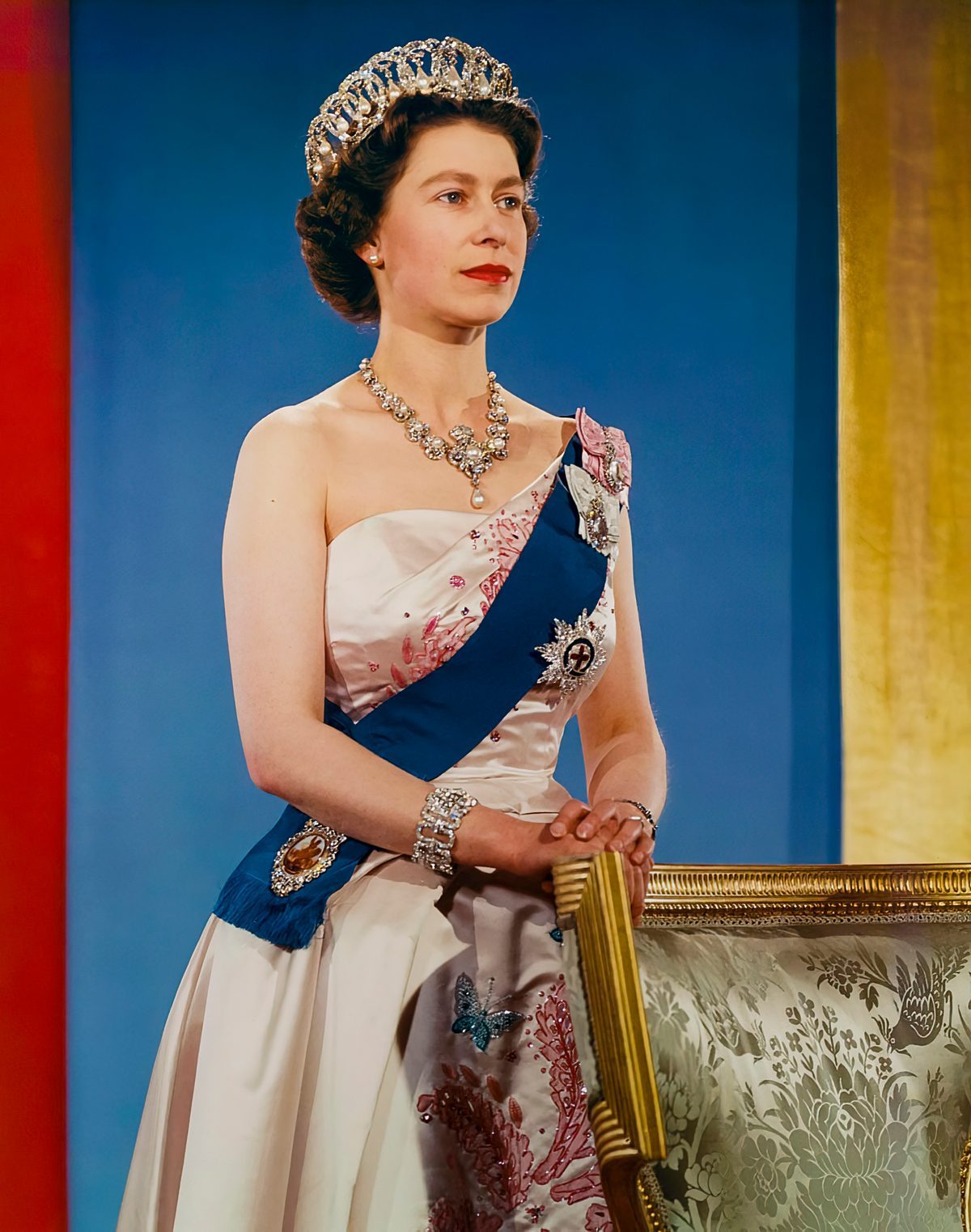
📷 Photo: Donald McKague. Public domain via Wikimedia Commons.