Queen Mary II: A Troubled Coronation
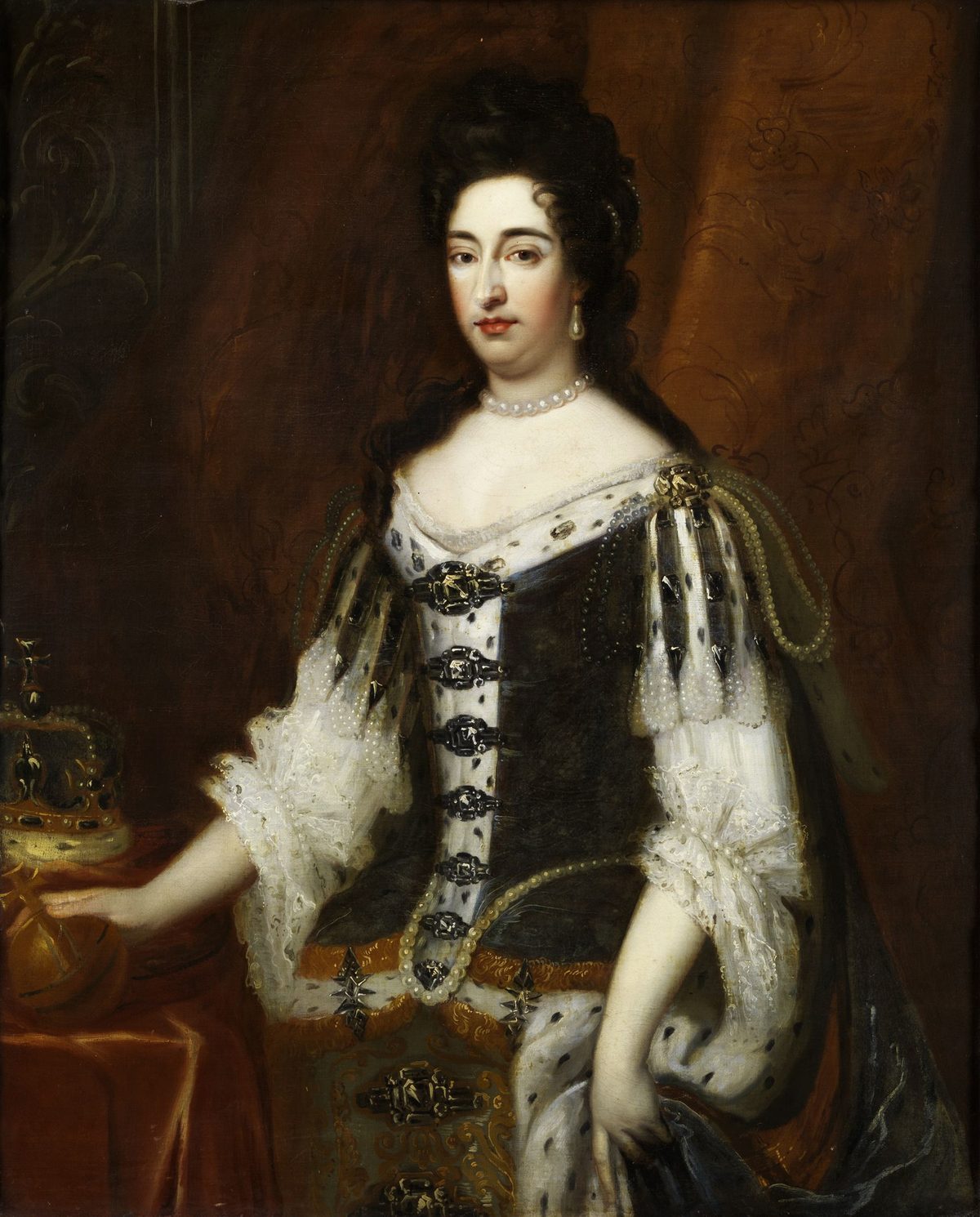
The regal splendor of Westminster Abbey buzzed with anticipation on April 11, 1689, as the coronation of Queen Mary II and William III commenced. Adorned in splendid regalia and bathed in the glow of the freshly risen sun streaming through stained glass windows, Mary’s exterior radiated confidence and grace. The assembled nobility and commoners alike rejoiced, their cheers echoing off the hallowed walls. Yet beneath the velvet and jewels, a different storm brewed — one of personal pain and guilt that would accompany this monarch through her reign.
As she clutched her husband’s hand, sharing the coronation dais, the proud pageantry clashed with a sorrow she carried silently. Displacing a king is no small act, even when duty calls. Mary II had ascended to the throne over her father, King James II, a monarch whose policies lost favor with the English Parliament and populace. For the capable Queen Mary, every accolade bore the weight of familial betrayal. The throne now underscored her role in the fracture of her own family, leaving her at odds with both duty and desire.
The Exiled Father
King James II, dethroned and exiled, resided in France after the Glorious Revolution—a bloodless coup that realigned the very core of English governance. His Catholicism and authoritarian tendencies had catalyzed his downfall, making way for a Protestant successor who preserved the Church of England’s influence. This successor, controversially, was his own daughter. It was a paradox that left Mary in an emotional quagmire.
Personal correspondence from Mary reveals the complex layers of her psyche during this tumultuous period. Mother Nature hadn't gifted her complements, she often reflected sorrowfully. In numerous intimate letters—many never meant for public eyes—she expressed her emotional conflict, love, and remorse for a father she once adored. Historian accounts suggest that her written words blurred with tear stains, embodying sorrow unlisted in official court records.
Behind the Great Doors of Kensington
In the lavish halls of Kensington Palace, the façade of opulence acted as a thin veneer over Mary’s somber personal life. Where others saw lavish balls and grand banquets that typified royal existence, Mary engaged quietly in religious devotions and charitable acts, seeking solace in piety. Matching charity with public duty, she embraced causes and groups that helped the poor and sick, emblematic of a compassionate heart seeking redemption.
The palace, then as now a place of grandeur, provided room for reflection amidst its gilded halls. Here, in solitude, she penned what her heart could not express aloud. The sincere introspections she crafted in her personal journal showed a queen enveloped in matters of state yet yearning for a restoration of family ties. The weight of the crown was more than its physical heft, and Mary carried it with the emotional burden of a sorrow unmatched by her opulently robed peers.
The Heart of the Monarchy
Mary II’s reign, though shadowed by personal struggles, was marked by strength and resilience. Alongside William, she co-ruled a nation amid transition, fostering the balance between parliamentary power and regal authority—a fundamental shift towards modern constitutional monarchy. Her reign came to symbolize stability and change, an embodiment of an era seeking equilibrium amidst evolving identities.
Visitors to the court noted Mary’s poise, remarking on a captivating composure that belied deeper afflictions. Her warmth, shared with those most needing compassion, led to courtly relationships that flowered with shared purpose. This human element of leadership underscored her legacy, extending empathy within and beyond palace walls, influencing English—and ultimately British—social consciences.
Legacy of Love and Duty
The human story of Queen Mary II’s life offers an evocative view into the complex tapestry of royalty. Her dedication, duty, and the personal price paid to secure the future of her nation remain testaments not only to a monarch’s political acumen but profound personal sacrifice. Echoes of her reconciliation attempts and enduring respect towards her father resonate through her letters and journals, encapsulating a poignant chapter of royal history.
In contemplating Mary's reign, one may find inspiration in the complexity of human emotion and governance, where familial love and loyalty to the crown wrestled for control. Today, reflecting on Mary’s life reminds us of the formidable, often hidden, challenges faced by those in positions of power. Her story encourages us to consider the unseen challenges behind leadership roles—be they monarchs, or leaders in everyday life, balancing the well-being of those they love with their duties to others.
📷 Photo: After Godfrey Kneller. Public domain via Wikimedia Commons.