In the somber shadow of one of the most tragic events in Welsh history, faced with the poignant grief of a nation, Queen Elizabeth II did something both extraordinary and deeply personal. It was the autumn of 1966, when the small Welsh village of Aberfan was thrust into the world's consciousness by disaster. For a queen who held the weight of an entire commonwealth on her shoulders, her response to a single letter from a stranger showcased the profound humanity and empathy that sometimes lay hidden beneath the crown.
The Shadow Over Aberfan
On October 21, 1966, the date etched in sorrow, an avalanche of coal waste engulfed the village of Aberfan, tragically claiming the lives of 144 people, 116 of whom were young schoolchildren. The nation was stunned into grief, and the images of the disaster filled the newspapers and the airwaves. While communities throughout Britain mourned deeply, the tragedy was especially hard-felt in the royal household. Thoroughly accustomed to addressing national distress, Queen Elizabeth II was notably absent from Aberfan's immediate aftermath. Her delayed visit attracted criticism, an action some say became one of her biggest regrets.
The Queen, however, had not been inattentive or indifferent to their pain. As Buckingham Palace became inundated with letters, condolences, and inquiries, one particular letter would capture her attention and stop her cold. It was the handwritten words of a miner's wife, awash with raw, genuine emotion, that painted an indelible picture of personal heartbreak.
The Letter That Touched a Monarch
Among the thousands of pieces of correspondence flooding in, this single letter stood out not through elegant script or picturesque prose but through stark sincerity and profound sadness. The miner's wife recounted the tender final moments she shared with her young son—his reluctance to leave the warmth of home for school, the soft kiss she placed on his forehead, unaware that it would be the last. In a few lines, she had captured the full weight of parental grief and shock, and it reached the Queen at a vulnerable point.
Normally, such letters would be processed by the secretaries, handed replies that were gracious but routine. This time, however, Queen Elizabeth insisted on handling it herself. In the quiet of her study, under the warm glow of palladian lamps, she committed words to paper, her own hand replying to a grieving mother, a gesture of intense personal acknowledgment that was as rare as it was remarkable.
A Royal Gesture of Empathy
The Queen's reply, while undocumented in its exact wording, was heartfelt and sincere. She extended sympathy not as a distant monarch, but as a fellow mother, one who could empathize with a pain that haunted many British households. By penning this note herself, she showed a willingness to engage with the rawest of human emotions, providing comfort that no official statement or third-party expression of sorrow ever could.
This exchange did not grab headlines, nor did it make waves in the annals of royal engagements, yet it reverberated with the quiet dignity and compassion the Queen was both known for and sometimes criticized for keeping tucked away behind a reserved exterior.
A Glimpse Behind the Palace Walls
The decision to respond personally — and by hand — speaks volumes about Queen Elizabeth II's character. Known for her steadfastness and poise under pressure, she possessed a private warmth that those fortunate enough to witness always held dear. The palace, steeped in tradition and protocol, often witnessed such quiet moments of humanity, illustrating the Queen's deep understanding of her role not just as a figurehead, but as an emotional pillar for her people.
Through the years, palace staff have recounted moments where the Queen would pause during her day to consider the human stories behind the official reports that crossed her desk. Even amidst the grandeur and splendor of royal life, her compassion for her subjects remained remarkably steadfast.
A Legacy of Compassion
As the years passed, Aberfan remained etched in the Queen's memory, a solemn reminder of both national pain and personal reflections. Her visits to the village thereafter, marked by genuine concern and care, demonstrated a learned understanding of grief and empathy that only deepened with time.
This tale of an extraordinary letter and a Queen's rare personal response is emblematic of the intricate relationship between the monarchy and its people. There is a timelessness to such gestures — a reminder that beyond titles and crowns lies an ability to connect across profound divides. Today's royal family continues to embrace this legacy of compassion, seen in the charitable engagements and community involvements that resonate so strongly with the public.
The monarchy, at its heart, exists not just in the palaces and ceremonies of tradition but in the simple, human moments like these. It is these glimpses behind the opulent façade that ignite deep admiration and form bonds that endure. The night Queen Elizabeth II sat alone with a stranger’s letter reminds us of the enduring power of empathy, a timeless quality that connects us all, regardless of station or circumstance.
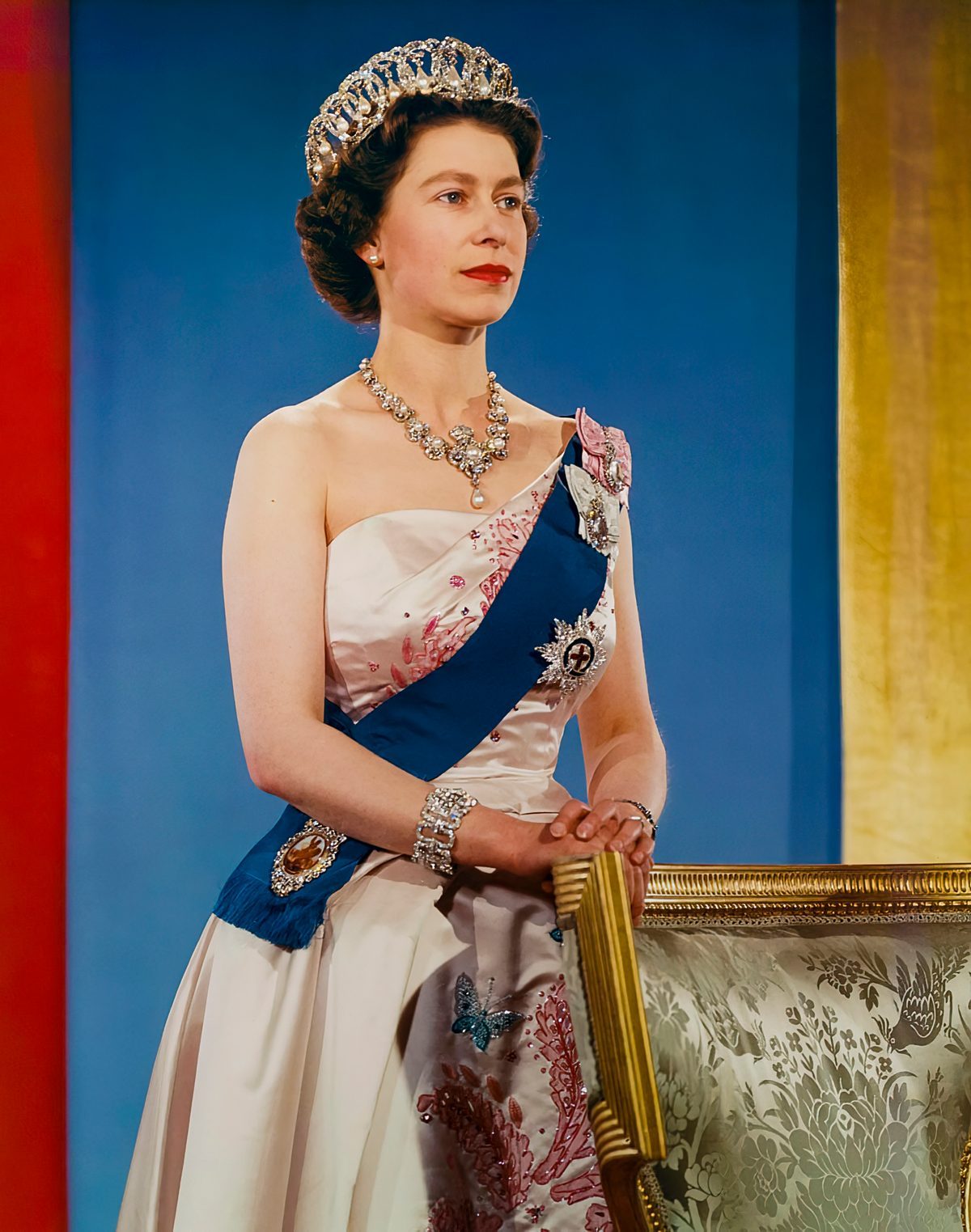
📷 Photo: Donald McKague. Public domain via Wikimedia Commons.