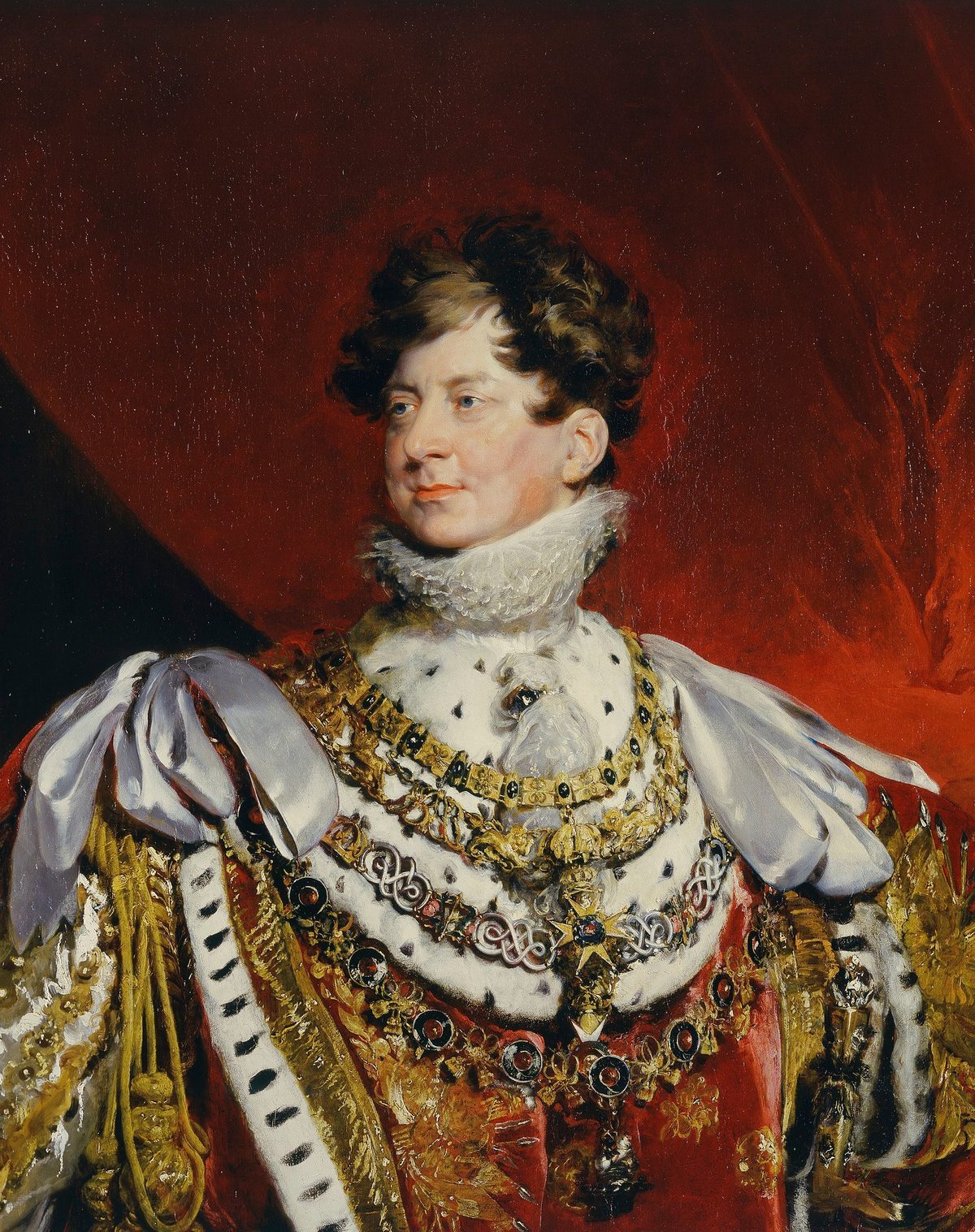
The Surprising Union That Shook a Kingdom
In the frosty depths of December 1785, the Prince of Wales, future King George IV, dared to defy royal edicts and societal norms by entering into an illicit marriage with Maria Fitzherbert, a twice-widowed Catholic. It was a union forged not in the grand halls of a cathedral, but in the intimate confines of a drawing room; a small, covert ceremony with just the crackling of firewood as witness, and two mortal solemnizers. This clandestine alliance, both sacred and forbidden, could have toppled the young prince’s ambitions and altered the trajectory of English monarchy forever.
An Unlikely Pair: The Romance of George and Maria
At first glance, the prince and the widow appeared an improbable pairing. George, known for his flamboyant lifestyle and extravagant tastes, was the embodiment of princely charm. Maria Fitzherbert, on the other hand, was a woman esteemed for her elegance yet steeped in personal tragedy, having lost two husbands before the age of 30. She was also a devout Catholic - a fact that made their union an explosive prospect in a nation that required heirs to the throne to marry Protestants exclusively.
Yet, love knows no bounds, and George was undeniably smitten. Their acquaintance bloomed swiftly, a heady affair that saw the prince pursuing Maria with a passionate fervor. Court circles whispered with the news of their romance. Despite her initial reluctance to further the couple's relationship due to religious barriers and her societal standing, George was insistent — for him, life without Maria seemed unimaginable.
The Forbidden Ceremony: A Royal Secret
The clandestine nature of their wedding was a testament to both the sincerity of their affection and the profound danger it posed to the prince's future. The marriage, carried out in a private ceremony, violated the Royal Marriages Act of 1772, which required descendants of King George II to seek the reigning monarch’s consent before marrying. What’s more, England’s anti-Catholic sentiments made any official recognition of their union near impossible.
Nevertheless, there they stood, George and Maria, exchanging vows under the muted glow of candlelight, oblivious to the perilous political implications their union held. Only two close confidents bore witness to their vows and the signing of the marriage certificate — a document Maria guarded until her death.
The Hidden Life: Navigating Love and Duty
Living in the shadows of secrecy, George and Maria's bond remained a delicate equilibrium between private devotion and public discretion. While deeply in love, George was forced to present a façade that their relationship was little more than a fleeting dalliance. He was entangled in the outward obligations of royal engagements, often appearing beside more socially 'suitable' matches, while his true marital bond remained unspoken of in polite society.
For Maria, the role of a royal spouse without an acknowledged title was fraught with emotional complexity. Though she had the affections of a prince, legal recognition and the capacity to assume duties expected of a royal consort were forever denied. She was both a beloved and a phantom, her status persistently ambiguous.
Legacy of Love and Loss
The romantic and political saga of George and Maria quietly endured for decades, only truly coming to light upon Maria's death in 1837, when her possession of their marriage certificate was revealed. Following their separation, necessitated by state pressures upon George to marry Princess Caroline of Brunswick, their once-vibrant romance dimmed under the weight of unacknowledged legitimacy. However, it never entirely faded from either of their hearts.
Amid the historically familial ties, George maintained a lifelong affection for Maria. Evidence of their bond could be seen even on his deathbed when he reportedly requested a locket with her likeness. Their story endures as a poignant reminder of the convoluted interplay between personal happiness and the heavy mantle of royal duty.
The Echoes of History
Today, the tale of King George IV and Maria Fitzherbert stands as a captivating chapter in the annals of British royal history, offering a window into the very human desires and struggles of a prince who dared to marry for love. In a contemporary world that has seen compromises between personal choice and royal customs — including the recent embrace of modern marital paths within the House of Windsor — the poignant narrative of George and Maria's love story resonates deeply. It further illustrates how notions of love, duty, and royal protocol have evolved, reminding us that behind every crown lies a heart subject to the same vulnerabilities as any other.
The story of George and Maria invites us, the admirers of royal life, to reflect on the ways the monarchy navigates change, embraces love, and respects both tradition and evolution. It challenges the sovereign institution to honor the past while courageously charting new paths that remain respectful of both personal loves and public responsibilities.
📷 Photo: Thomas Lawrence. Public domain via Wikimedia Commons.