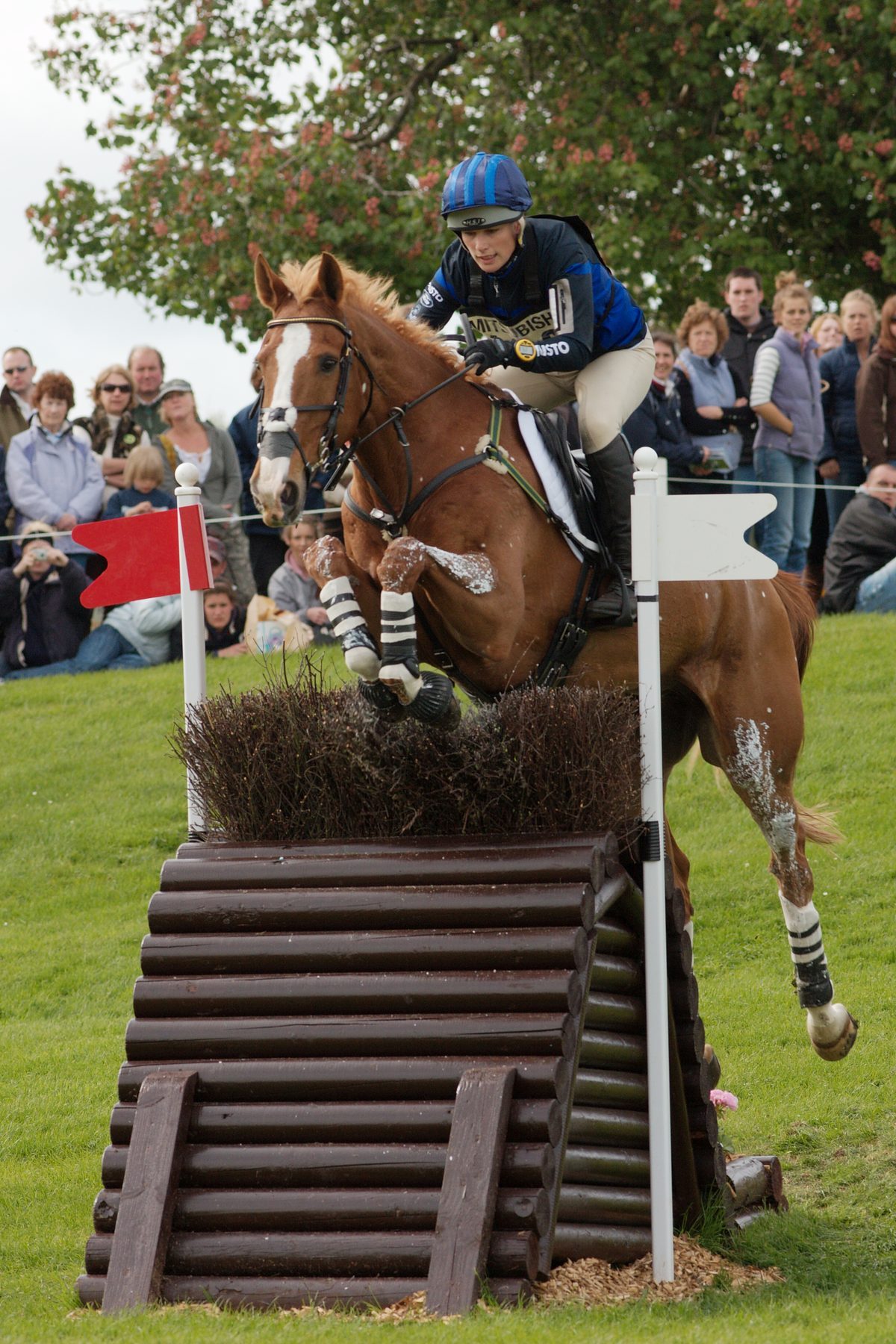
From the opulent halls of Buckingham Palace to the bustling streets of London, the British royal family effortlessly commands the world's attention through generations of tradition and spectacle. Yet, at the 2012 London Olympics, it wasn't the glittering tiaras or velvet-clad ceremonies that captured our hearts—it was the sheer determination and exceptional talent of a royal who stood proudly without a crown. Zara Tindall, the granddaughter of Queen Elizabeth II, elevated the spirit of competitive sports and personal achievement above all else, proving once more that royalty expands far beyond titles.
A Unique Royal Path: Zara’s Early Years
Born to Princess Anne and her first husband, Captain Mark Phillips, on May 15, 1981, Zara Tindall entered the world on a note entirely her own. Unlike her cousins who carry the weight and privilege of royal titles, Zara was not bestowed with the grandeur of "Princess" or the plush comfort of royal expectations. Princess Anne, known for her pragmatism and desire for normalcy, famously declined royal titles for her children, aiming to provide them a semblance of freedom—an extraordinary decision in the royal tradition.
While some may have seen the absence of a title as a loss, it was, in many ways, an invaluable gift. Free from the rigid adherence to formal duties, Zara could explore her own passions. Her upbringing, nestled between the ambition of royalty and the earnestness of her equestrian pursuits, shaped a path that would lead her galloping into history. As a member of the royal bloodline removed from direct throne-bound duty, Zara was permitted to bound with the wind, and it was this liberty that allowed her to stride confidently onto the international stage.
From Windsor to the World: Zara's Equestrian Journey
The bonds formed in childhood often ripple through our lives, shading decisions and shaping futures. For Zara, the "whinny" of horses was the siren call she could not ignore. Equestrianism ran through the veins of her lineage; after all, her mother, an Olympian herself, had set a paramount example. Embracing this legacy with both hands, Zara embarked on a lifetime practiced in dedication, resilience, and heart.
Zara's climb within the equestrian world was as challenging as it was inspiring. Despite the regal ties, her journey wasn't a smooth ride paved with privilege. Early mornings and relentless training honed her skills and presence. At every show and competition, she demonstrated not just the grace, but the grit and valor befitting her royal lineage.
By 2006, Zara's prowess was undeniable when she rode Toytown, her favored steed, to victory at the Eventing World Championships, claiming prestigious titles, including the BBC Sports Personality of the Year—a first for a royal. This accolade reflected a broader recognition of her hard work, solidifying her place as more than just a royal granddaughter.
London 2012: A Podium and a Promise
Adorned with the Olympic spirit of 2012, London morphed into a city of dreams where athletes penned their own legacies. Zara, wielding both the bridle and bit of her passion and national expectation, rode with singular focus to the competitive equestrian event. Competing in team eventing, it was a moment where discipline met performance under immense pressure.
The silver medal Zara Tindall clinched wasn't merely a symbol of rank in the order of the Games; it was an outward proclamation of an internal vow she made to herself—to honor her life's ambitions regardless of a title she never wore. Her ability to rise, to perform under intense scrutiny without the sheltering shield of HRH connoted a legacy of merit, echoing the timeless truth that triumph is not born of inheritance but of unwavering commitment.
As the UK admirably cheered for victories across Olympic disciplines, Zara's triumph resonated across the aisles of public perception, a spectacle not of royal privilege but of personal perseverance.
No Palace Faster than a Horse
In the narrative of British monarchy, Zara Tindall's refusal to hide behind curtains of royalty signifies a compelling story of individual strength. While many tales of royalty cast in courtyards and candlelit corridors persist, hers gallops swiftly under open skies. With every hoofbeat upon the earth, Zara bridged the conventional with the contemporary—her story was not about the architecture she inhabited but the core of the values she championed.
When asked about her choice to eschew a royal title, Zara consistently prioritizes her ability to forge her own path. The echoed ethos of her Olympic triumph in London rings no different—an embodiment of a vow born from choice, unmarred by grandeur or obligation.
Legacy Continues: The Unseen Crown
As the rigors of public life entwine with the private, Zara stands as a stalwart example of what it means to modernize the royal narrative while remaining steadfastly seated in its tradition. Her life, intertwined with horses, kinship, and quiet competition, is as much a tribute to those classic virtues as any royal we have ever celebrated.
Today, as the world sashays between pages of past monarchs and present heirs, Zara Tindall's life offers an archetype for young royals finding their place—a reminder that the crown’s weight is revered not solely for its adornment, but for the human strength it demands. Her story unfurls the royal adage that titles may glitter, but it's the dedication behind them and the integrity within that truly shine. No coronation vow was ever needed to prove that.
📷 Photo: Henry Bucklow (Sffubs (talk)). CC BY-SA 3.0 via Wikimedia Commons.