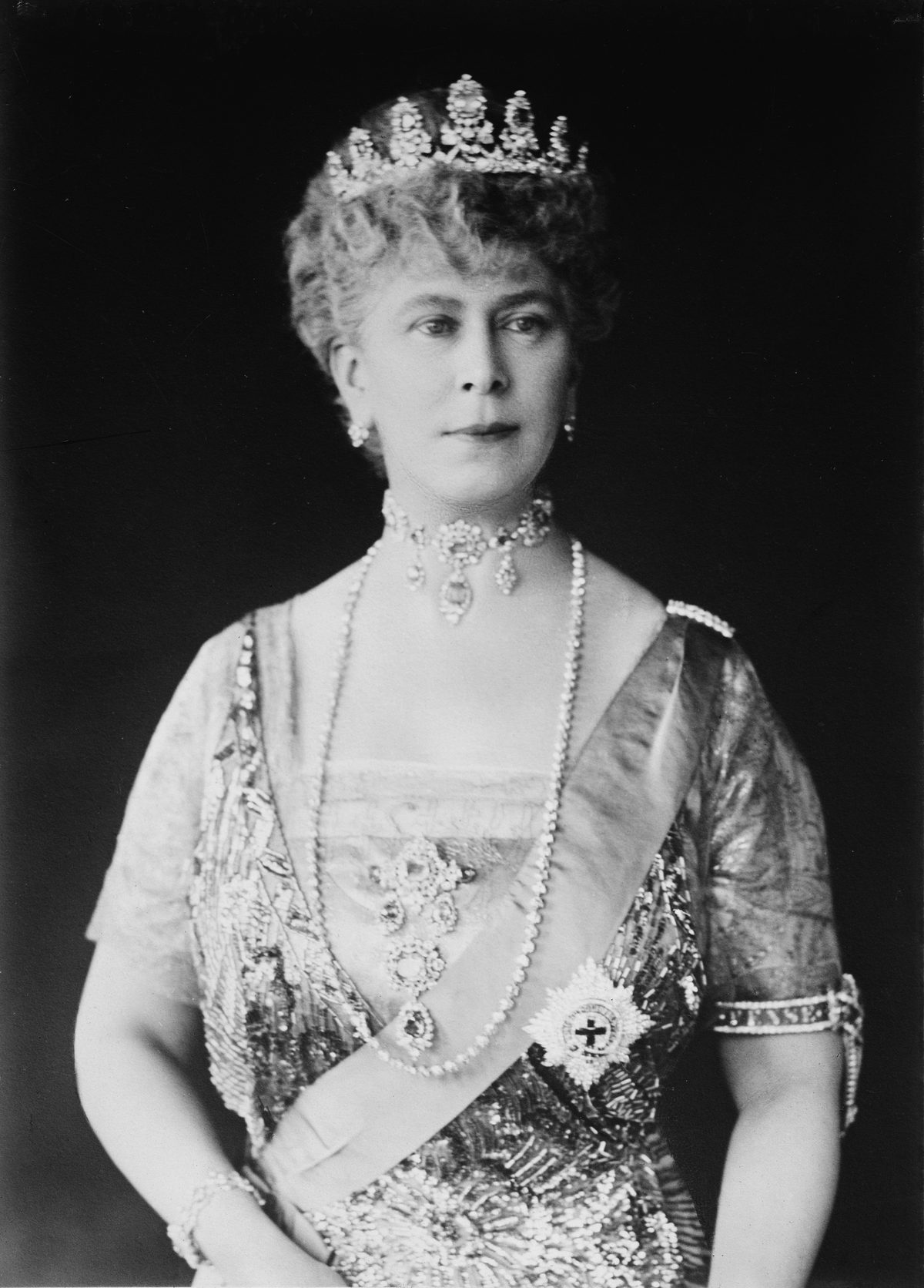
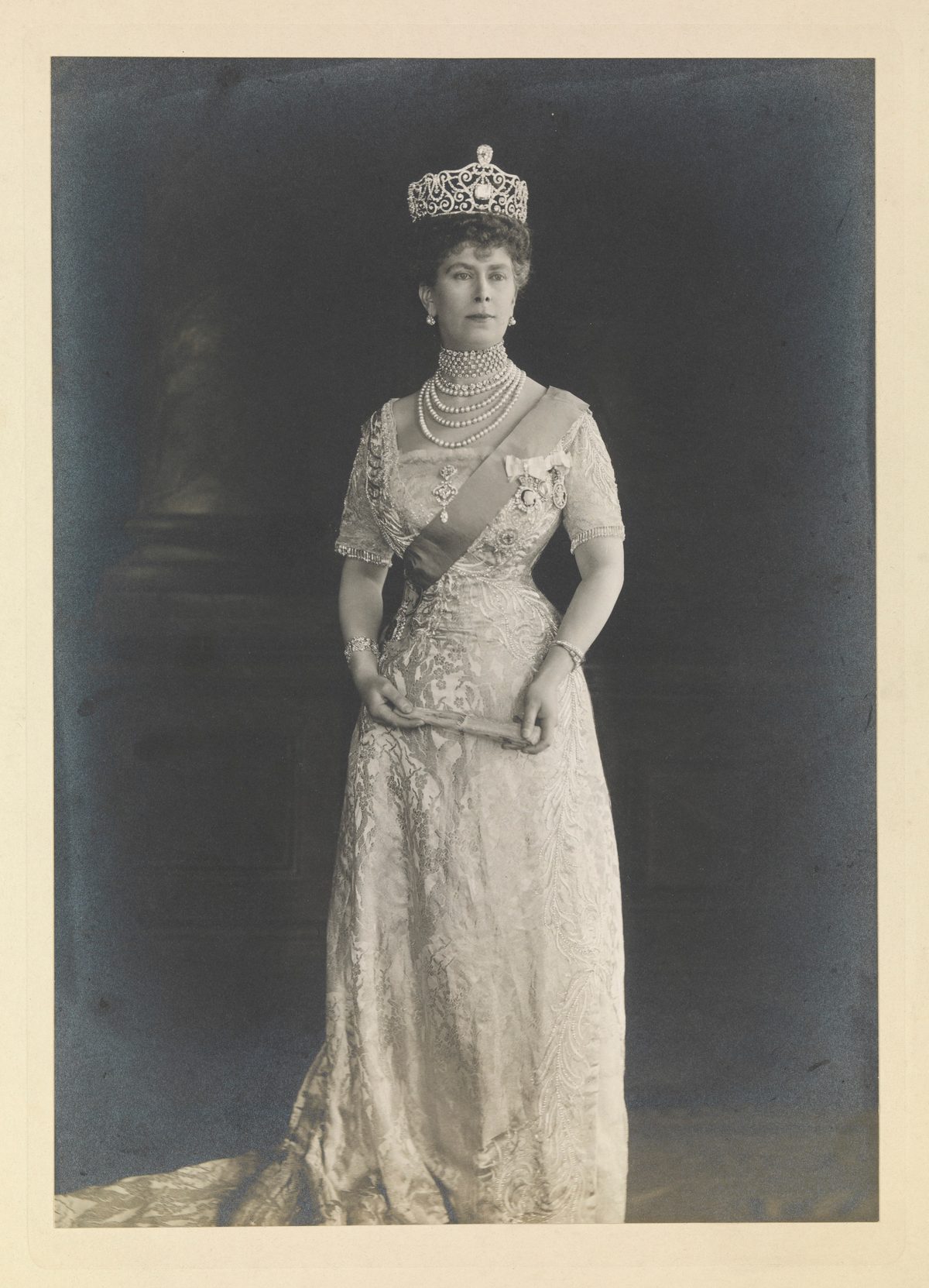
In the warm amber glow of January 1936, a profound stillness blanketed the United Kingdom as the melancholic peal of bells echoed across the somber British landscape. King George V, the steadfast sovereign who had reigned over the British Empire through tumultuous times of war and change, had passed away. For his devoted wife of 42 years, Queen Mary, this was not merely the loss of a king but the end of an era. Her heart ached with sorrow, yet, in a display of unyielding strength and grace, she donned her mourning attire and accompanied her husband on his final journey, embodying a stoic elegance that spoke volumes about her indomitable spirit. In navigating this sea of grief, Queen Mary gave her last loyal gift to her beloved husband—the composure of a queen devoted to duty above all.
The Quiet Echo of Duty over Personal Despair
In an era where the private pains of royal life were often veiled behind public faces, Queen Mary’s resolve stood as a beacon of the monarchy's dedication. Born Princess Mary of Teck, she was acquainted with the regal responsibilities long before becoming queen consort. Her marriage to George in 1893 united not only two people but also reinforced the strength and continuity of the British throne at a time when Europe trembled under the weight of changing political tides.
The death of King George V on January 20, 1936, plunged Britain into mourning. For Queen Mary, the loss was deeply personal. Behind the veils of formal grief, she was a wife who had stood by her husband through decades of devotion, sharing in both the burden and privilege of the crown. Her choice to walk past the gaping crowd, her posture regal and her expression serene, became a poignant act of service. This remarkable woman—whose heart surely felt like an open wound—chose to exemplify strength for the nation rather than yield to despair.
The Gown: A Seam of Sorrow and Strength
Queen Mary's mourning gown, worn on that grey January day, was a masterpiece of black silk and understated elegance, accentuating both her somber demeanor and her exquisite stature. The gown epitomized the dignified sorrow expected of a queen, rooted in the Victorian precedent that dictated a strict mourning code in both society and the royal court. Elements of the gown harked back to Queen Victoria’s own unyielding mourning after the death of Prince Albert. The tradition was both a nod to continuity and a symbol of regimented sorrow within the royal cloisters.
Yet this gown was more than a garment; it was a symbol of the era’s palpable connection to duty, tradition, and legacy. The intricate lacework and somber hues brought together elements of history and formality. While outward displays of emotion were discreetly discouraged by societal norms, Queen Mary's attire spoke with eloquence, conveying loss while upholding the dignity of the crown. Her clothing was a testament to her role—not just as the wife of a deceased king—but as the matriarch of a monarchy that must endure.
A Solemn Procession through the Heart of the Empire
The funeral procession of King George V through the heart of London was a moment etched into the annals of history. The streets were lined with mourners from every walk of life, all united in shared sorrow for a monarch they had known and cherished. Soldiers stood in silent salute, their crisp uniforms accentuating the poignant gravity of the moment. Observers sensed a blend of reverence and melancholy as the somber cortege passed by.
Queen Mary’s silent vigil behind the coffin spoke volumes, her presence commanding deep respect without uttering a word. As she proceeded past the crowds in her solemn gown, she bore the weight of her title with unrivaled poise—a woman whose strength lay not in visible tears but in the quiet dignity of her resolve.
The Unseen Affection Beyond Crown and Court
Though stoicism defined her public image, Queen Mary’s private self was characterized by deep affections, especially for her children and grandchildren. Her keen interest in the arts and devotion to family added rich layers to her character, often unexplored in the public sphere. Within the confines of palatial walls and accompanied by laughter and vulnerability, that side of Queen Mary flourished, a side known intimately to her children even during times of solemnity.
Following King George’s death, her role as the royal family’s matriarch took on an added dimension. The crown weighed even heavier upon her as her firstborn son, Edward VIII, ascended and soon abdicated within the same year—a chapter that would alter the trajectory of family dynamics and redefine duty.
The Eternal Legacy of a Queen's Courage
"The crown is not merely worn; it is borne, with a heart torn between personal love and noble duty."
Queen Mary’s life was an embodiment of the monarchy: a nuanced tapestry of personal sacrifice and public commitment. In her dignified mourning, she personified the resilience of an institution as old as Britain itself, as enduring as the stones of Windsor, and as steadfast as the crown jewels. Her tale of courage—standing tearless beside her husband's sepulchre—continues to be a powerful narrative of royal duty eclipsing personal anguish.
Today, as the world watches the evolving faces of the monarchy, the echoes of Queen Mary’s timeless grace resonate with unfaltering clarity. Her legacy offers not only a lens into the past but also a reminder of an enduring truth: in the dance between heart and duty, the footsteps of history are often carried forward by those who walk with elegant resolve, their head held high above the tears.
📷 Photo: John Thomson. CC BY 4.0 via Wikimedia Commons.