In the dim-lit corridors of grief, sometimes a letter can illuminate the path. When a young boy penned his heart-wrenching feelings to Queen Mary in 1936, he sought a connection with someone who might understand sorrow. To his astonishment, she responded — with a handwritten note crafted in grace, empathy, and royal dignity. Remarkably, her gesture extended beyond mere obligation. Across a decade, each year on the anniversary of his father's death, a new letter arrived, each one reinforcing the bridges of human kindness over the chasms of loss.
The Compassionate Queen
In 1936, Queen Mary, mother to King George VI, found herself navigating her own sea of upheaval. The abdication crisis thrust the British monarchy into an unprecedented storm as her son, King Edward VIII, renounced the throne for love, passing the crown to his brother, George VI. This tested the very fabric of the royal institution. Yet for Queen Mary, strength in moments of turbulence was not a strategic maneuver but a natural extension of her character. The queen's resilience during these challenging times is well-documented, yet an understated facet of her reign was her profound empathy.
When she received a letter from an unknown boy expressing his grief over his father's passing, Queen Mary saw beyond the inked lines — she saw a child's heart in pain. The impulse to reach out was immediate. Her response was not an official decree or a typographed acknowledgment but a personal, handwritten letter. Crafted on the dignified stationery of Buckingham Palace, it reflected the warmth of a woman who knew the roads of sorrow all too well. The gesture, small and seemingly inconspicuous amidst the affairs of state, illustrates the remarkable compassion that defined her queenship.
A Decade of Correspondence
This initial letter had a poignancy that would resonate over years. Queen Mary, despite her royal duties and the exigencies of an era steeped in uncertainty, committed to this yearly ritual as if it were as sacred and unspoken as prayer. Each letter was a beacon of continuity for the boy, an affirmation that even amidst the world’s upheaval, certain things remained steadfast. This decade-long commitment stayed away from prying eyes; she revealed it to no one — neither family nor courtiers. This ten-year annual correspondence became a hidden testament to her humanity.
While the exact wording of these letters remains tucked away in the vaults of history, their regularity was a balm to the boy's wounds. Imagine the quiet amazement with which he must have awaited each letter, its arrival a reminder of a shared connection that transcended societal hierarchies. For a boy who had lost so much, this annual note became an anchor — a small but potent symbol of support from the seat of the nation itself.
Behind Palace Walls
To fully appreciate Queen Mary’s actions, understanding the environment within which she lived is crucial. The British royal household, especially during times of transition, was a tapestry of duties, responsibilities, and rituals. Queen Mary, the wife of King George V and mother to two kings, was the embodiment of royal adherence. Yet she used this position not merely as a ceremonial figurehead but as a compassionate confidante to the people.
Her commitment to the monarchy was paralleled by her devotion to social causes. She supported war efforts, championed the arts, and immersed herself in charitable work. Writing to a grieving child may have seemed trivial to some, but to her, it was an extension of her public service, a tender outreach woven into the fibers of her daily existence.
A Lesson in Timeless Humanity
The quiet courage exhibited by Queen Mary during this period resonates with profound contemporary relevance. In moments when society can feel adrift in a world defined by digital connections often devoid of depth, Queen Mary's simple act of writing by hand, of marking an anniversary in deliberate, inked words, reminds us of the enduring power of personal touches. It is astonishing to consider that though current communications travel faster than the flick of a pen, they rarely dig as deeply into the soul as a personal letter can.
Queen Mary's gestures leave us with a question worth pondering in our hurried modern lives: What small acts can we undertake to touch others profoundly? Her legacy, while anchored in the notable achievements of her reign, offers a window into how monarchs can weave personal connections into the broader narrative of public duty. Her life stands as a reminder that royalty's strength often lies in the ability to bridge the gap between the privileged and the everyday, one handwritten note at a time.
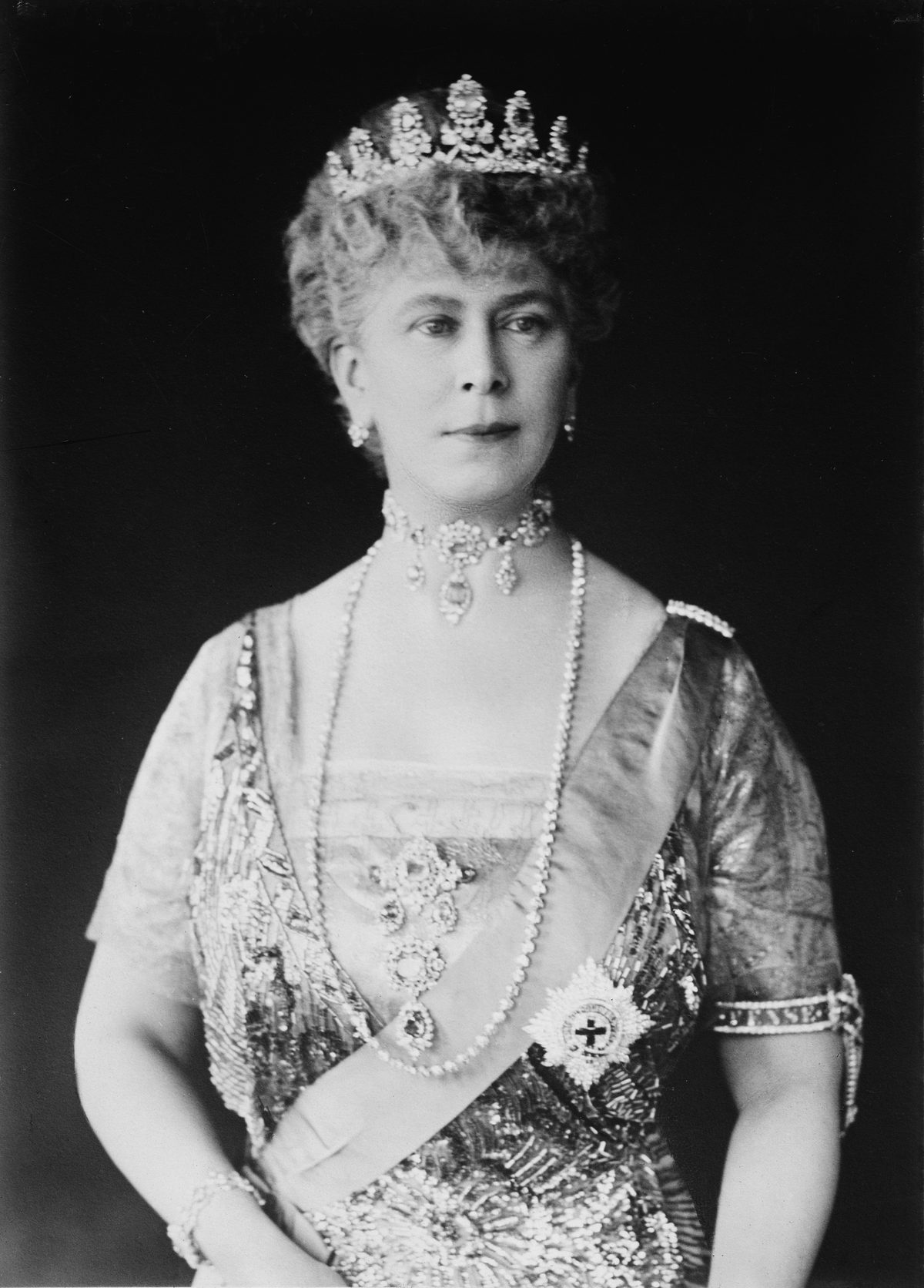
📷 Photo: W. & D. Downey. Public domain via Wikimedia Commons.