Unveiling an Unexpected Artist
In the heart of the British royal family, where tradition and duty reign supreme, one would hardly expect to find a secret passion flourishing quietly behind palace walls. Yet, for decades, Prince Philip, Duke of Edinburgh, indulged in an unexpected pursuit — painting watercolours. Known for his sharp wit and unyielding dedication to his royal duties, Philip also harboured a softer, more introspective side. His art offered a glimpse into the tender, searching inner life of a man mostly portrayed as a stoic consort.
This hidden facet of Prince Philip’s life began emerging into the public consciousness when, long after he had first picked up a brush, a small collection of his works was finally shared with the world. Those closest to him — including members of the royal family — were stunned by the delicacy and emotion infused into his art. As viewers observed his landscapes and seascapes, they discovered not just an artist, but a storyteller finding joy in capturing the serene beauty of nature.
The Origins of a Passion
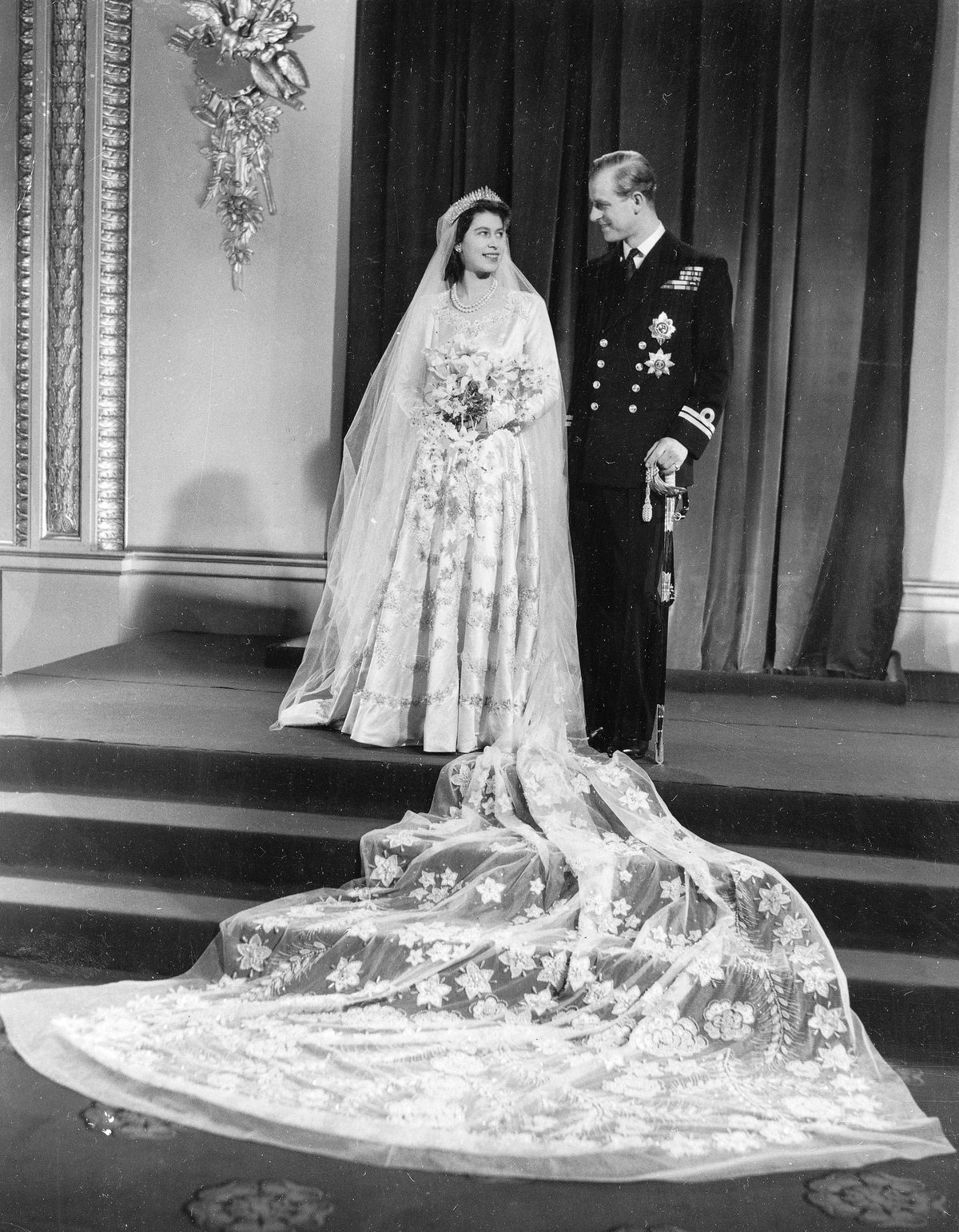
Prince Philip's introduction to watercolour painting can be traced back to the early years of his marriage to Queen Elizabeth II. With their union in 1947, Philip embraced his role as consort with commitment and zeal. However, amid the rigorous schedules and royal responsibilities, he sought solace in a quieter, personal activity. Painting offered a retreat from the limelight, an opportunity to engage with the world on his own terms.
Throughout the 1950s and 1960s, the royal couple navigated the complexities of monarchy, raising four children and adapting to the rapidly changing societal landscape. While palace halls buzzed with official activities, Philip would occasionally retreat to peaceful corners of royal estates such as Balmoral and Sandringham to paint. These sessions allowed him to reflect quietly, the brush capturing scenes as varied as the tempestuous North Sea and the golden fields of the Scottish Highlands.
Hidden in Plain Sight
Philip was deliberate about keeping his artistic endeavours private, sharing his work with a very select circle. Much like the sketches he exchanged with family members as tokens of affection, his watercolours served as intimate keepsakes rather than exhibits. This private approach highlighted a fascinating aspect of his character: a man known for public service choosing to nurture a personal passion quietly and without fanfare.
"He always had a keen eye for detail," one palace aide observed, noting how his love of painting matched his interests in design and conservation.
It wasn't until a few pieces began surfacing many years later that the extent of his work became apparent. As with his patronage of numerous charities and projects, his dedication to painting was an unspoken but profoundly genuine expression of himself.
The Revealing Collection
In a modest but poignant gathering, selected pieces from Prince Philip's watercolour collection were assembled for the first time for viewing. The collection was a breathtaking array of landscapes from the British Isles and beyond. Each painting spoke of journeys into the countryside, moments of tranquillity amidst the royal bustle.
The seascapes captured the eternal dance of waves and sky, each stroke mirroring the ebb and flow of Philip's life from naval officer to royal elder statesman. His keen perception rendered these scenes not merely picturesque but alive with emotion and energy, revealing the observer within the artist.
Among the treasures was a piece depicting a quiet corner of Balmoral Castle gardens, a place of personal significance in Philip's life. This painting encapsulated the deep connection he felt to his surroundings — a world he viewed as both a monarch and an individual.
A Legacy Beyond the Canvas
While Prince Philip's primary legacy lies in his unwavering dedication to the monarchy and his invigorating partnership with Queen Elizabeth II, his paintings offer a unique perspective on his range of interests and the richness of his inner life. His watercolours demonstrate how an appreciation for beauty and form transcended his public role, inviting those who admire him to see him anew, not only as a pillar of steadfast service but as a quiet observer with a poetic eye.
In today’s fast-paced world, there's a poignant lesson to be drawn from Prince Philip's private pursuit. It reminds us of the value in cultivating personal passions — those quiet, reflective moments that enrich our lives and deepen our human experience. For those who continue to admire the royal family, it is yet another charming chapter in the grand tapestry of their history, showcasing the humanity behind the crown.
Prince Philip's watercolours are not just art; they are a testament to the man himself — a husband, a father, a grandfather, and an unassuming artist whose work, like his life, was painted with love and a profound understanding of his place amidst the canvas of his times.
📷 Photo: Associated Press. Public domain via Wikimedia Commons.