The moment the news broke of Queen Victoria’s passing in January 1901, an era drew to a poignant close. With the departure of Britain’s beloved monarch, an indomitable shadow loomed, casting uncertainty and anticipation across the nation. As the baton of royal elegance was passed on, it was Mary, the Duchess of Cornwall and York, who was thrust into this grand narrative. Little did the world know that the gown she chose to dawn for her first official appearance would encapsulate a powerful message forged in fabric and silver threads—a message heralding both destiny and design.
The Dawn of a New Era
The ascension of King Edward VII heralded not only a new reign but also an era of fresh hopes and revitalized traditions. Where Queen Victoria had embodied the strength and reticence of a bygone age in her widow’s black, the young Duchess Mary was now poised to become queen consort, representing a new generation’s vision of the monarchy. On Accession Day in 1901, she stepped forth into both pastures new and daunting duty, cloaked in a gown that would speak volumes beyond fashion.
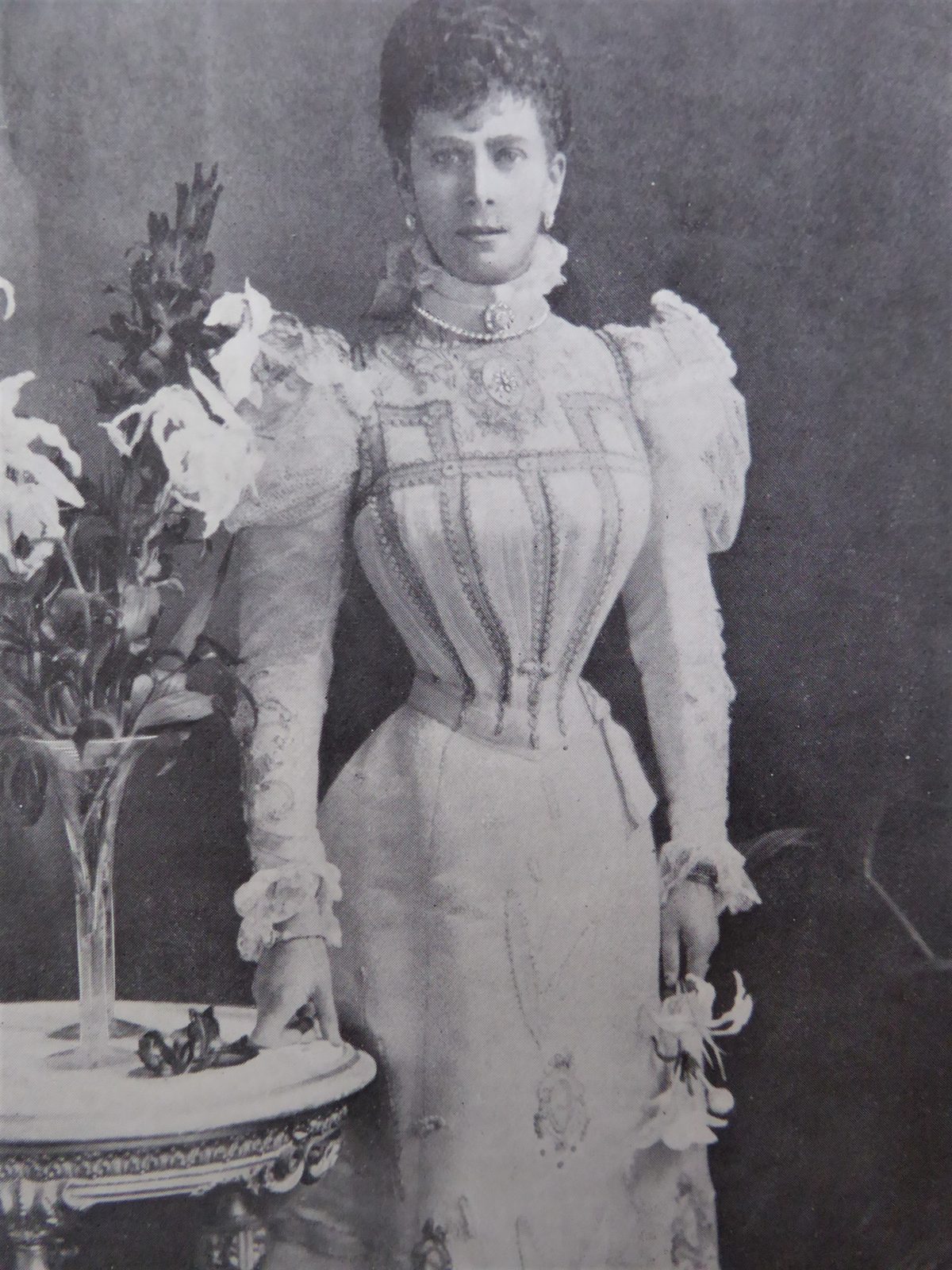
Lavishly crafted from shimmering silver tissue, the dress symbolized more than regal elegance; it telegraphed a break from Victoria’s shadowy veils, welcoming with open arms an age of light, optimism, and renewal. The gown was a meticulous masterpiece—its fabric akin to liquid silver, catching the light in cascades that danced and dazzled. With an exquisite fluidity, it highlighted Mary’s graceful dignity and the inner strength that the British public would come to deeply admire during her decades of dedicated service.
A Fabric Story with Depth
The choice of attire was far from arbitrary—it was steeped in symbolism and strategic messaging. Queen Mary's gown on Accession Day was woven from a luxurious silver tissue, a fabric made famous for its rare blend of threads and shimmering opulence. During that turn of the century, such garments were the reserve of grand state occasions and strategically significant appearances.
The silver hue hailed the promise of technological progress and modernity that the new century aspired to encompass. Contrasted to the delicately dark yet equally loved sartorial choices of Victoriana, this gown evoked both continuity and change—an homage to a past reign yet an assertion of autonomy for the new. Within the palace halls lined with eager anticipation, the splendor of the fabric spoke of continuity tempered with transformation.
The Persona Behind the Threads
Mary of Teck, the woman upon whom the future of the monarchy so heavily leaned, was more than a figure encased in grandiose grandeur. Revered for her unwavering devotion to duty, she was a firm believer in the unifying power of tradition married with the present day’s promise. Her upbringing, infused with a deep reverence for duty, prepared her uniquely for the role she would embrace.
The silver gown she chose was not only emblematic of the monarchy’s evolving identity but also a reflection of her multifaceted character—poised, disciplined, and imbued with a subtle yet undeniable sense of style. In its glisten, there was an acknowledgment of the weight of legacy that would continue to shape her actions and public duties. Mary’s subsequent role as Queen yielded a deeper appreciation for her sensibilities, seen in her art collecting, her advocacy of culture, and her nurturing of the royal family's image.
The Royal Court: Bridging History
The grandeur and buzz of the royal court in 1901 buzzed with anticipation over the new era. The corridors of Buckingham Palace, always resplendent with splendor, saw a change in tempo and mood. New influences began whispering through the court, balancing innovation with deeply embedded traditions that had guided generations before.
Accession Day was not just a personal milestone for Mary but a celebration shared by the royal court’s familiar faces—the steadfast courtiers, captivating royals, and the observers beyond palace walls who acknowledged the whispers of change. In what was a subtle yet telling detail, even the jewelry she carried resonated with historical continuity, the Queen Victoria’s family fringe tiara crowning her with ancestral echoes that harmonized with the promise of her shimmering new garment.
The Gown's Legacy
Fashion historians and enthusiasts alike continue to revere the gowns of royalty, which capture moments of pivotal change and articulate unspoken stories. Queen Mary’s silver tissue gown remains a potent symbol of her pivotal role in the transition of eras. It remains a cherished artifact that underscores her influence and provides a window into the art of royal decision-making.
While fashions inevitably change, the symbols and stories woven into our monarchs’ wardrobes endure. Queen Mary’s gown was much more than a fleeting glimpse of glamour; it was a declaration of resilience and future-facing vision, exemplifying the monarchy’s dynamic evolution through the lens of history.
As we look back upon Queen Mary and her delicate navigation of an era shift, we see not just a period of royal fashion but a legacy of enduring duty and refinement. The threads of her gown, intricate and deliberative, remind us that the monarchy continues as both anchor and compass, steering through the currents of historical change.
The gown Queen Mary wore that fateful Accession Day was not only an aesthetically remarkable piece of royal attire but also a testimony to the enduring power of the British monarchy—a poignant blend of past honor, present duty, and future promise.
📷 Photo: Lafayette. Public domain via Wikimedia Commons.