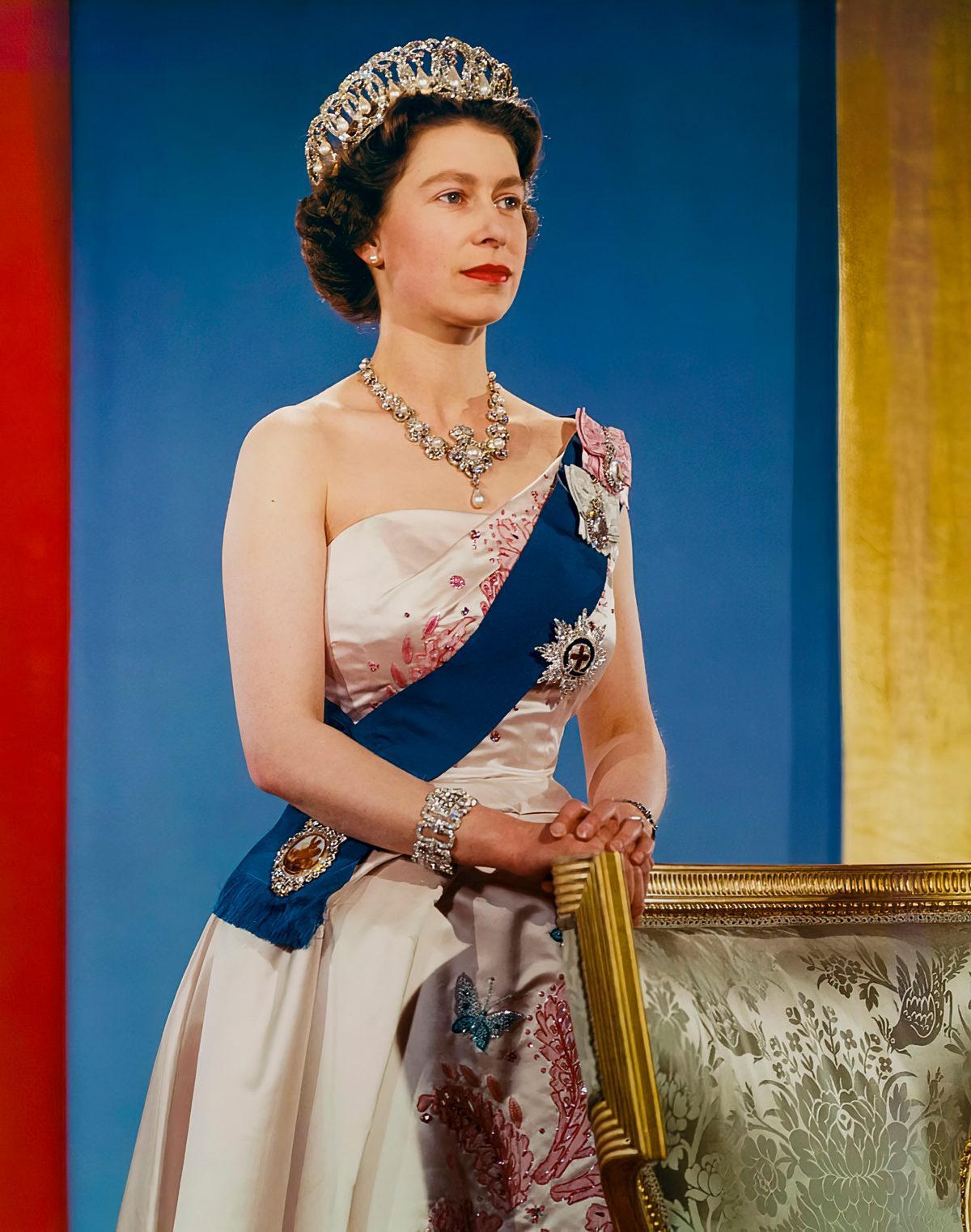
On the 6th of February, 1952, the world watched as a young Elizabeth learned of her father's passing. King George VI left behind a legacy of steadfastness during uncertain times, and the destiny of the British crown now rested on the shoulders of his 25-year-old daughter. Amid the clamor of change and the weight of expectations, the new queen still found a quiet moment to reach out to another soul in mourning. This new era of Elizabeth's reign began not with an elaborate coronation, but with the intimate humanity of a handwritten letter to a grieving widow. Their shared sorrow became a delicate yet powerful connection, offering a glimpse into the heart of the queen during her most vulnerable days.
An Unexpected Connection in the Shadow of Loss
Queen Elizabeth II was well aware of the significance of her new role, but early in her reign, she was also acutely aware of her responsibilities as a human being. How could someone grappling with personal loss manage to extend compassion to others? For Elizabeth, the answer lay in vulnerability and empathy. On the day her father passed, neither the world nor she likely imagined that another life — that of the widow, Mary Adams — was similarly altered. Her husband, an ordinary man without titles or land, had died on that very same glacial February day. This shared experience of loss transcended the boundaries of status and privilege, bridging two lives across distances.
Crafting her note without the assistance of her aides, Elizabeth's actions demonstrated a personal commitment to engage with the individuals who were part of her realm. In doing so, she subtly reshaped the definition of what it meant to be a monarch, adding layers of heartfelt compassion to the ceremonial expectations of her new position.
The Handwritten Note: A Gesture Beyond Protocol
The royal court thrived on protocol, tradition, and the repeated rhythms of bureaucracy. This formal structure served to maintain the dignity and privacy of the crown, yet it also had the potential to distance those at its core from personal engagement. And yet, amid these traditional structures, Elizabeth chose a different path. Her handwritten note was devoid of the structured templates that characterized typical royal correspondence. Instead, it was a manifestation of personal involvement—a tangible expression of her unwavering, heartfelt empathy.
While the specific wording of this note remains shrouded in the annals of history, the sentiment was unmistakeable. It spoke to the courage and endurance needed to navigate grief, from one who was both anointed queen and another's daughter, to someone who was both a widow and another's citizen.
Elizabeth's note was an early gesture that illustrated her commitment to service—not just as a figurehead of tradition, but as a person who deeply cared about the lives behind those loyal eyes, watching from afar. It exemplified how, even in moments of personal tribulation, she aimed to be a beacon of comfort for others.
The Human Side of Majesty
During the early days of Elizabeth's reign, the transformation from beloved daughter to sovereign ruler was a process imbued with myriad challenges. Those who witnessed her growth saw more than a transition in monarchs. They beheld the emergence of a woman who, despite the absence of the beloved father who had guided her, found herself armed with lessons of resilience and humility imparted by him.
Surrounded by the opulence and formality of court life, Elizabeth stayed close to these values, understanding that a queen reigns not just over a kingdom, but also alongside her people. By penning the note to Mary Adams, she reiterated this bond and demonstrated that empathy had a critical place even at Buckingham Palace.
A Legacy for Modern Monarchy
As much as this story captures a single moment of profound humanity, it serves as a reflection of a broader narrative—a monarch dedicated to a reign marked by personal yet universal connections. The informal yet impactful gesture of a handwritten note foreshadowed the meaningful role Elizabeth would play in modernizing the monarchy over decades. She epitomized a monarchy more in touch with the human experience, dedicated to service and compassion.
While the specific circumstances surrounding the note remain an intimate chapter of Elizabeth’s story, the sentiment behind it continues to resonate. It challenges modern devices of time and distance, offering something immensely comforting in its simplicity: the universal balm of compassion amid grief.
A Resonance Across Time
In a world continually shaped by change, Queen Elizabeth II's letter to Mary Adams remains a touchstone of an empathetic monarchy. As technology advances and our ways of expressing care evolve, the essence of human connection remains steadfast. It is the small gestures, the moments of reaching out without expectation of grandeur, that provide the connective tissue between individuals and eras.
Elizabeth's reign continued for decades, imbued with peace, resilience, and the poignant humanity first demonstrated in that fleeting gesture of 1952. Today, as admirers of the royals look upon their history, it is stories like these that endure—reminders of a time when the quiet strength of a handwritten note encapsulated a grandeur greater than any crown. Moving forward, let this story inspire sovereigns and citizens alike, demonstrating that true leadership often begins with heartfelt understanding and profound empathy.
📷 Photo: Donald McKague. Public domain via Wikimedia Commons.