On a cool September morning in 1940, the murmur of anticipation hung thick in the air of Buckingham Palace, as though sensing the gathering storm of war that encroached upon England. These were hard times; Britain was under siege by the relentless Luftwaffe bombardment known as the "Blitz." With London enduring nightly raids, the nation's spirit was at risk of fracturing. But amidst this grim tableau, a royal figure emerged whose resilience and strength would ignite a beacon of hope: the Queen Mother. Her dignified response after a bomb struck Buckingham Palace stood as a profound testament to her courage and unwavering dedication to the British public.
The Assault on the Royal Residence
In September 1940, the haunting wail of air raid sirens was all too familiar to London's inhabitants. That fateful day, when a bomb fell upon Buckingham Palace, the shock reverberated not only through the grand corridors of royal living but also across the country. The King and Queen were inside, narrowly escaping harm as the blast resonated through their residence.
Conventional wisdom might suggest that royals, cradled in privilege, would choose to escape to safer ground during such peril, to relinquish the heart of their capital for the comfort of distant estates. Yet those who truly understood Queen Elizabeth, the Queen Mother, knew that retreat was never her style. Together with King George VI, she was committed to staying in London, to share in the triumphs and trials of the people they cherished. The Queen Mother famously declared, "The children won't leave unless I do. I shall not leave unless their father does, and the King will not leave the country in any circumstances whatsoever."
A Sovereign's Defiant Resolve
The morning after the bombing, newspapers were awash with stories of the Palace’s damage. But just as compelling were the narratives of a Queen rallying herself for duty rather than retreat. A central figure that united the nation, Elizabeth donned her signature pearl necklace and wide-brimmed hat, as serene and composed as an emblem of British fortitude. Her decision to stay in London, to live amidst the chaos and contribute to the wartime effort, sent ripples of solidarity far and wide.
"Now I can look the East End in the face," the Queen Mother quipped, a poignant reference to the shared experiences of bombings that many Londoners faced, especially those in the heavily targeted East End. This statement was more than words; it translated into real, tangible support for her people. It showed empathy and comradery that galvanized a fractured nation and imbued it with the determination to endure.
The East End: A Symbol of Unity
As German bombs ravaged London, the East End bore a significant share of the devastation. Known for its dense population of working-class families, the area became emblematic of endurance and resilience. And so, it was with distinct purpose that the Queen Mother made her presence felt there among the streets filled with rubble and despair.
Her visit was not simply a symbolic act of compassion. Walking boldly through the ruins, the Queen Mother personally encountered the community’s suffering and strength. She spoke with residents, listened to their tales of hardship, and offered words of encouragement. Her very presence in the bombed-out streets became a powerful reminder that the monarchy was not aloof but rather deeply embedded within the fabric of society and its struggles.
A Beacon of Hope and Morale
The Queen Mother's actions during this period reinforced her status as the people's queen. She epitomized the indomitable spirit that characterized Britain at its finest, demonstrating not only the compassionate heart of the monarchy but also its enduring relevance. Her demeanor and dedication fueled the morale of a nation, reminding them that adversity was a shared challenge, not an individual burden.
Throughout the war, the Queen Mother’s steadfast presence in London served as an uplifting constant. By visiting air raid shelters and comforting families displaced by the bombings, she also inspired others to persevere. Her involvement underscored the essential connection between the crown and its constituents, knitting a closer bond that would remain strong long after the gunfire had ceased.
Legacy Beyond the Blitz
The Queen Mother's legacy extends far beyond the backdrop of war-torn London. She personified a connection to the past, combining the stoic dignity of monarchy with a deeply relatable humanity. Her resilience during the Blitz not only solidified her place in history but also defined the enduring image of the British royal family.
Reflecting on this period, it's clear that the Queen Mother’s actions contributed significantly to the monarchy's ability to navigate modern challenges. Her example set a standard for future generations of royals to unite their public roles with personal humility and devotion to service—values still revered today.
In the corridors of Buckingham Palace, within the courts of history, and across the expanse of time, the Queen Mother's unwavering spirit continues to resonate. It serves as a reminder that moments of crisis often unveil the finest in leaders. Her legacy is a woven tapestry that links past hardships with a future of hope, binding together the inseparable elements of crown and community.
As we reflect on the Queen Mother's defiant smile in the face of danger, we are reminded of the flame of resilience that burned brightly during Britain's darkest hours. She remains a symbol of a royal family's dedication not just to power, but to the people they serve—a timeless testament to grace under fire.
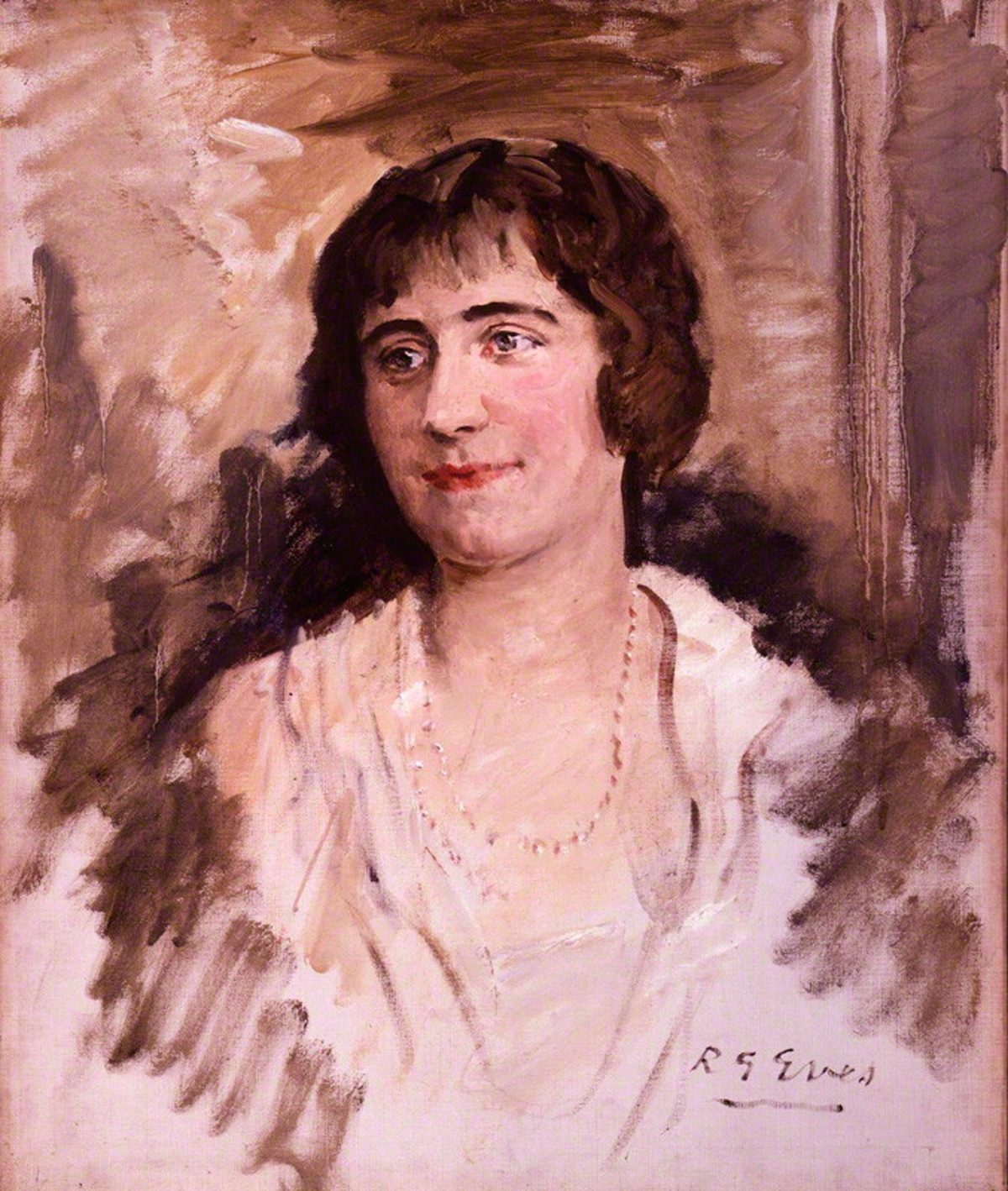
📷 Photo: Reginald Grenville Eves. Public domain via Wikimedia Commons.