Princess Diana was more than just a style icon or tabloid sensation; she was a dedicated mother who fervently believed that empathy was a skill best learned young. In her embrace of this principle, one poignant vignette stands out. In the 1990s, the Princess of Wales could often be found accompanying her eldest son, Prince William, to hospitals and children's wards across the UK. It was here, in the quiet rooms filled with beeping monitors and colorful balloons, that an eight-year-old William learned the true power of kindness and compassion. And it all began with the simple act of reading a bedtime story.
The Legacy of Compassion
Diana, Princess of Wales, was renowned for her charitable heart and her revolutionary approach to royal duties. She didn’t just want to make public appearances; she wanted to make a difference. This was never more apparent than in her frequent visits to hospitals, bringing warmth and cheer to those in need of a little light. However, what many found particularly touching was her desire to pass these values on to her children.
In the late 1980s and early 1990s, Diana was already well-respected for her humanitarian work, especially with children. She famously shook hands with AIDS patients at a time when the condition was heavily stigmatized, openly showing support and breaking down barriers of prejudice. But Diana wasn't alone in this endeavor. She brought along young William, intent on teaching him not just the duties of a future king but the responsibilities of a compassionate human being.
The halls of British hospitals were filled with whispers of admiration as staff observed Diana and her son. To see a royal child, modestly dressed like any other boy his age, sitting beside the beds of sick children was a powerful image. It is said that when Prince William read bedtime stories to these children, they momentarily forgot their illnesses, swept away by the narrative woven by someone with a heart as big as his mother’s.
A Young Prince Takes the Stage
Nurses recall young William picking up beloved children's books, his youthful voice bringing tales to life with a sincerity that was both endearing and healing. Whether it was reading about whimsical adventures or courageous heroes, the children listened intently, their imaginations transported far from the confines of their hospital rooms. For a child facing the unduly harsh realities of sickness, this was more than mere entertainment — it was a brief excursion into the world of possibility and joy.
It is important to understand the context of these visits. While Diana maintained her hallmark elegance and charm, her approach was always grounded in relatability. She sat on the beds, chatted with parents, and never shied away from difficult conversations. William was encouraged to do the same. Through these experiences, he learned empathy not from lectures, but from connection. The lessons of patience, understanding, and the simple but profound willingness to listen were imparted not through instruction, but through action.
The Culture of the Royal Court
In the grand tapestry of the British monarchy, duty and decorum have always taken precedent. The traditions of the royal court are steeped in centuries-old protocol and understated elegance. Yet, Diana, with her fresh perspective, ushered in a new wave within the royal paradigm — one that embraced change underpinned by her signature blend of sincerity and warmth. It was no surprise that she chose a path that deviated from conservative traditions by actively involving her children in charity work from a young age.
For William, growing up within the walls of Kensington Palace, these visits were invaluable lessons that extended beyond the gilded cage of royal life. They were pivotal in shaping his understanding of his future role, infusing it with a modern touch that endeared the monarchy to the public. Far from the grandeur of royal palaces, these moments revealed the genuine inclination towards human connection shared by Diana and her son, carving a niche for a monarchy that was nestled firmly in the hearts of people.
Transcending Time
The impact of these formative experiences resonates deeply with modern royals and the public alike. Today, as Prince William assumes more responsibilities within the royal framework, those lessons in empathy and humility are evident in his charitable endeavors and public appearances. His focus on mental health and support for veterans echoes themes of compassion and community that his mother championed so ardently.
The nurses and hospital staff who witnessed those intimate moments often recount them as a testament to Diana's prophetic wisdom — an indelible mark on the legacy of the royals. Through stories, the future king was not just sharing tales, but also hope and connection, laying down bricks in a path that has seen the Windsors transition gracefully into modernity.
Princess Diana's approach to raising her children reminds us of the enduring importance of empathy and understanding in leadership. Her choice to involve Prince William in such foundational experiences did not merely prepare him for kingship; it prepared him for kinship with humanity. This legacy of love and compassion continues to inspire not just the royal family, but the world, echoing the sentiment that true nobility comes from the heart.
As we look forward, Prince William's early lessons serve as a beacon of hope, connecting the royal past to an ever-hopeful future, where stories of kindness and courage are the ones truly worth telling.
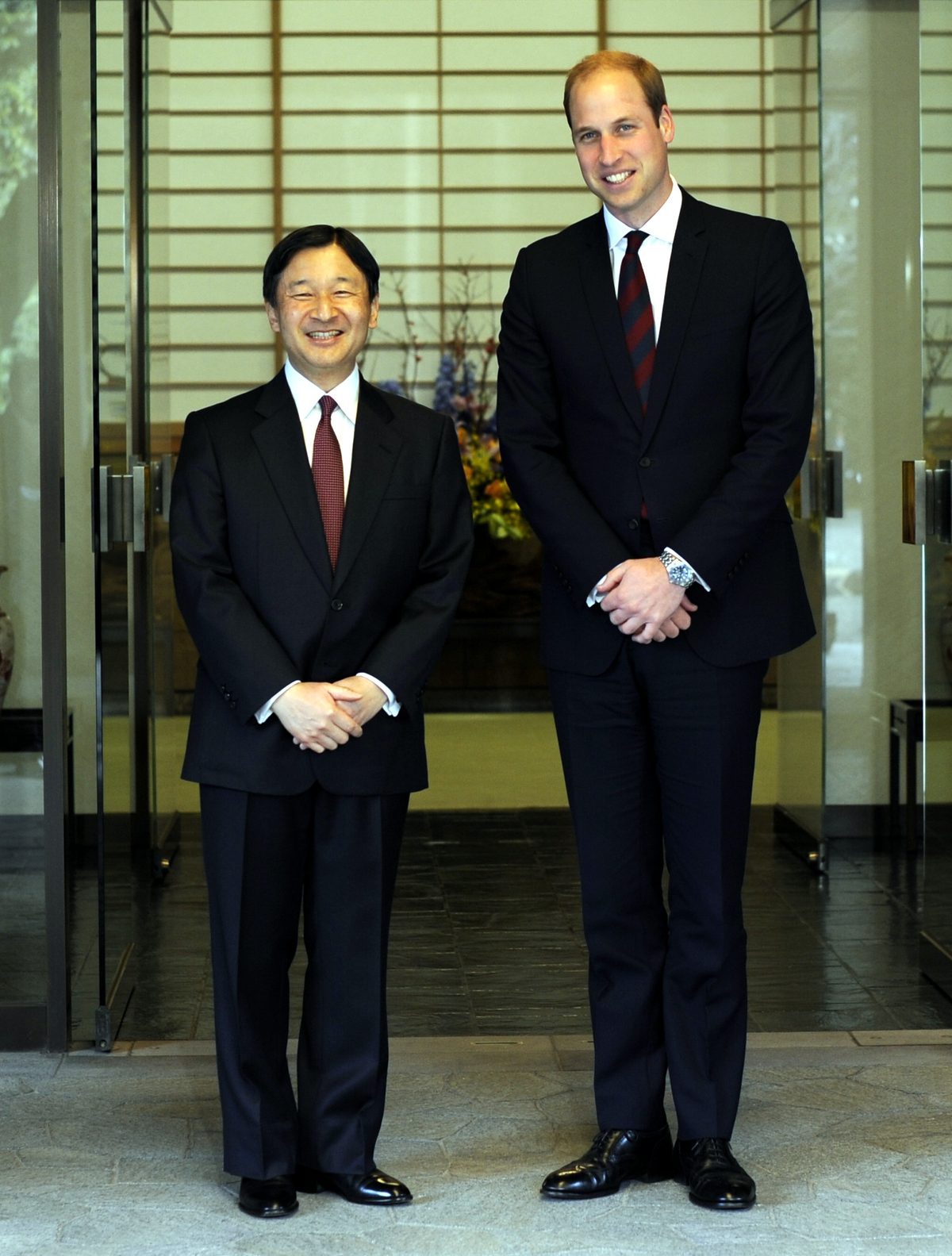
📷 Photo: British Embassy Tokyo / Alfie GoodrichUK in Japan- FCO. CC BY 2.0 via Wikimedia Commons.