In the haunting quiet of a Welsh valley on October 21, 1966, time stood still as a community grappled with unimaginable grief. The mining village of Aberfan had suffered a catastrophe so cruel, it seemed beyond comprehension. A colliery spoil tip, heavy with saturated debris, had thundered down the hill, engulfing Pantglas Junior School and leaving 116 children and 28 adults dead in its wake. A nation mourned. Eight days after the disaster, Queen Elizabeth II arrived in Aberfan, her presence a symbol of solidarity and empathy. Yet, it was the private gestures she embarked upon afterward — penned letters to every child who lost a parent — that revealed the depth of her compassion, marking a chapter of quiet humanity in royal history that was quietly profound.
The Tragedy Unfolds
Aberfan is nestled in the South Wales Valleys, a close-knit community sustained by the rhythms and perils of coal mining. On that fateful morning, mere moments after the children had dutifully arrived at their school desks, the unthinkable happened. The slag heap, weakened by rainfall, descended with ferocious speed upon Pantglas Junior School, leaving rescue efforts in a race against time and laden with sorrow.
The bereaved families and rescue workers, driven by a heart-wrenching hope, labored with bare hands to search for survivors. It was a scene marked by the relentless spirit of humanity amid tears and despair. The immediate aftermath held collective grief that would echo through generations, a nation bound by shared mourning for those too young to be lost.
The Queen’s Arrival and the Power of Presence
Queen Elizabeth II, aware of the gravity of the situation, was initially cautious about visiting Aberfan, concerned that her presence might impede the rescue operation. But as the immediate crisis passed, her resolve to offer firsthand solace drew her to the village eight days after the tragedy.
Her visit was met with a poignant silence, a moment captured not just by the press but ingrained in the hearts of those she met. Adorned in somber black, the Queen moved among the grieving, her face etched with the empathy and compassion that words could hardly convey. She listened intently, standing on grounds now sacred, her demeanor that of a monarch deeply touched.
Nothing could diminish the weight of loss, but her presence was a balm for many — a modest yet powerful guise of unity that traversed beyond the confines of royal duty.
A Silent Gesture of Love
What transpired later, in the privacy of her study, was an undertaking rarely made public. Determined to extend a more personal dimension of her support, Queen Elizabeth II handwrote letters to each child who had lost a parent in the disaster. This was no ceremonial obligation; each missive was thoughtfully inscribed, considered, and heartfelt.
“Her Majesty’s letters, personal and profound, were a testament to her unique empathy and understanding in addressing the personal depth of loss felt by each family,” noted a court historian familiar with the Queen’s writings.
The decision to write personally, rather than by form letter, was emblematic of the Queen's sincere engagement with her subjects' sorrow. It was a choice made away from the glare of the public eye, steeped in the solitude of understanding and respect for each family's unique grief.
The Royal Court: A Beacon of Continuity
At the time, Buckingham Palace was the epicenter of both constitutional and symbolic British authority. The Queen, embodying both the ceremonial figurehead and empathetic leader, had a distinctive approach to the monarchy that balanced tradition with genuine human connection.
The Queen’s decision to write personal letters was not merely an act of kindness. It reflected a long-held belief that the monarchy should be a steadfast source of comfort to the people, a principle she adhered to with unwavering commitment. Despite her few public expressions of emotion, this act revealed her sympathetic heart, the depth of which only those within the inner circle at Buckingham knew. This private gesture of writing letters stood in stark contrast to the public duty, revealing her as a queen invested in the lives of her people.
Legacy of Compassion
The tales of Aberfan weave a tapestry of resilience, highlighting the bonds of community and the indomitable human spirit. Queen Elizabeth II’s handwritten letters became a symbol of empathy, reminding us that behind the grandeur and formality of the thronebeat a heart acutely tuned to the trials faced by her subjects.
In attempting to console each child with personalized words of solace, the Queen transcended the boundaries of her role, demonstrating humanity at its most refined. Today, the legacy of her actions endures as part of the monarchy's connective thread with the populace, marked by a belief that the throne's power lies as much in compassion as it does in tradition.
As we reflect on the enduring significance of such personal gestures, we are reminded that the strength of the monarchy is amplified by these quieter moments that reveal its timeless ability to unite and heal. Queen Elizabeth II’s letters remain an indelible mark of her reign, a testament to a royal family acutely aware of its shared humanity with those they are sworn to serve.
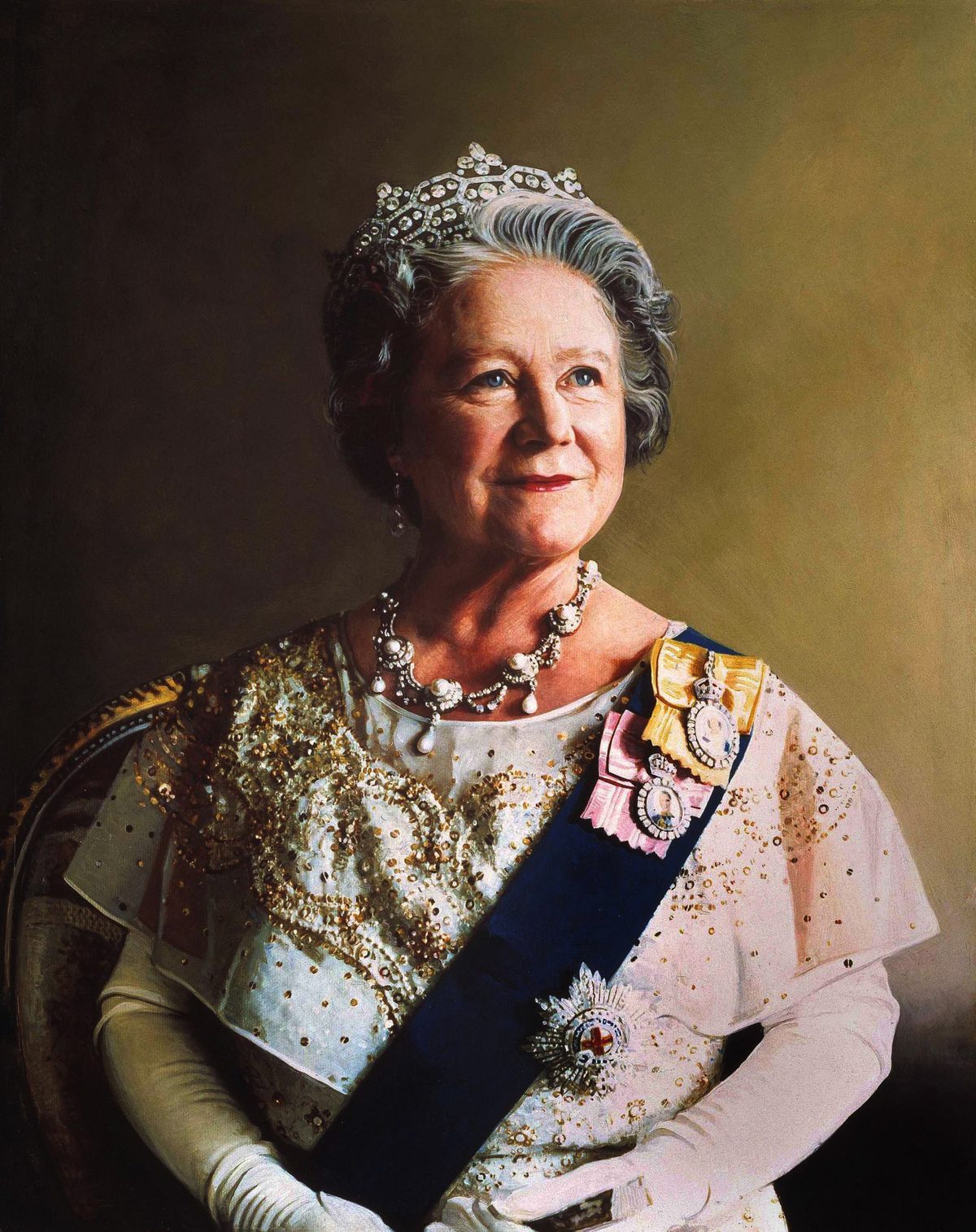
📷 Photo: Richard Stone. Public domain via Wikimedia Commons.