An Era of Elegance: The Edwardian Splendor
The Edwardian era in Britain, spanning the earliest years of the 20th century, was a period of opulence and grandeur. It was a time when street lamplight mingled with gaslight-lit drawing rooms, and horse-drawn carriages shared roads with motorcars, heralding the dawn of modernity. Against this backdrop, one of the most splendid displays of regal elegance was to unfold — the coronation of King George V and Queen Mary. History remembers King George's ascension to the throne; however, it was Queen Mary's coronation gown that truly captured the opulence and spirit of the age.
On June 22, 1911, Queen Mary stepped into Westminster Abbey in a gown that was nothing short of a masterpiece. It was a garment so carefully crafted and enriched with symbolism that it represented not only the pinnacle of couture but also the unity of the British Isles.
The Gown's Creation: Eight Months of Artistic Dedication
Behind the splendor of Queen Mary's coronation gown lay a tapestry of dedication and artistry, with hundreds of skilled hands laboring over it for eight painstaking months. Each thread of gold, each silk shamrock, rose, and thistle was a testament to the craftsmanship and patience that characterized this historic project. These laborious efforts were undertaken at the esteemed premises of Reville & Rossiter, a renowned London royal couturier known for its exquisite designs and impeccable attention to detail.
The gown was crafted from the finest white silk satin, a fabric known for its luxurious texture and high sheen. Over this sumptuous base, artisans worked tirelessly to embroider intricate motifs that embodied the floral emblems of England, Scotland, and Ireland, signifying Queen Mary's commitment to her new role as the unifying figurehead of these realms. Gold and silver threads were meticulously interwoven to bring these national symbols to life, their brilliance catching the light of the Abbey's ancient chandeliers in what would be remembered as a breathtaking spectacle.
Among the dedicated artisans working their magic on the gown were Anna and Rosa, sisters whose names have gently faded into history but whose contributions remain sewn into its fabric. Their nimble fingers translated design into thread, infusing each stitch with unspoken love and hopes for the new era their needlework heralded.
Westminster Abbey: The Grand Tapestry of History
On the day of the coronation, Westminster Abbey gleamed as a hallowed tapestry hung with history, draped in the glory of pageantry like no other. The Abbey, an architectural marvel steeped in over a thousand years of tradition, provided a worthy stage for this royal spectacle. The labyrinth of arches, the dance of shadows and light — all harmonized to create a setting fit for a queen.
The gathering crowd, a sea of nobility, dignitaries, and representatives from across the Empire, held their collective breath as Queen Mary made her entrance. Her movement down the ancient nave was both a slow procession and an act of theatre, wherein each step was a note in a symphony composed for the ages. The gown, shimmering and alive, captured awe-struck eyes, its silken sheen a counterpoint to the solemn dignity of stone and stained glass.
The Coronation: A Unifying Ceremony
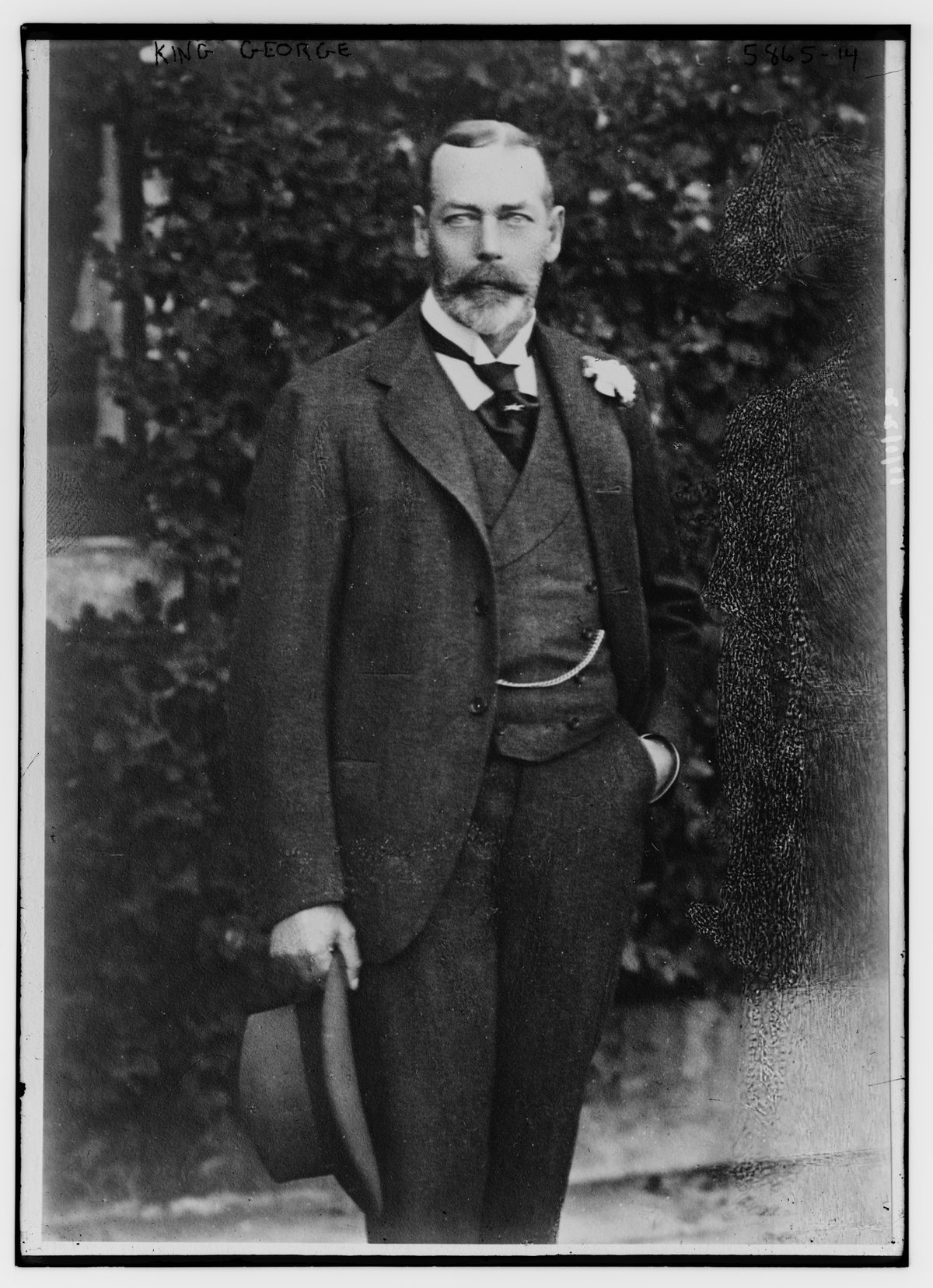
The coronation ceremony itself was steeped in tradition, a rite as old as the monarchy itself. Chosen from the Book of Common Prayer, the coronation liturgy bound the past to the present as promises of fidelity and service were echoed over the glinting magnificence of golden crowns and scepters. Queen Mary stood alongside King George V, the very image of grace and devotion.
As Archbishop Randall Davidson of Canterbury placed a coronation crown atop her elegantly coiffed hair, history stitches itself anew. For Queen Mary, this moment was not only a fulfillment of duty but a step into a role she accepted with unwavering resolve and inner strength.
Witnesses to the ceremony described the atmosphere within the Abbey as electric, the air shimmering with a sense of continuity, and a collective reaffirmation of the monarchy's place in the hearts of its people. Those who watched felt the weight of history and the lightness of a new beginning combined with the luxury, grace, and timeless beauty represented by Queen Mary's gown.
Legacy and Modern Reflections
Queen Mary's coronation gown survives as an enduring symbol of royal elegance and unity. Made with extraordinary skill and devotion, it represents not only the rich traditions of the past but also the timeless allure of the British monarchy. The gown lives on in archives, its story told through words and sketches that continue to inspire admirers of regal fashion and history.
In today's society, the British monarchy is celebrated and cherished by many, appreciated for its capacity to evoke a finely balanced mix of tradition and modernity. The grandeur of Queen Mary's coronation gown serves as a reminder of the monarchy's role in fostering national unity and cultural heritage, as well as providing continuity in times of change.
As we look back at the coronation of Queen Mary in 1911, we find inspiration in the shared identity and meticulous craftsmanship the creation of her gown embodied. These royal milestones, adorned with symbolism and wrapped in wonder, render the tapestry of history vivid before us, leaving us to wonder what future chapters the monarchy will pen in its ongoing story.
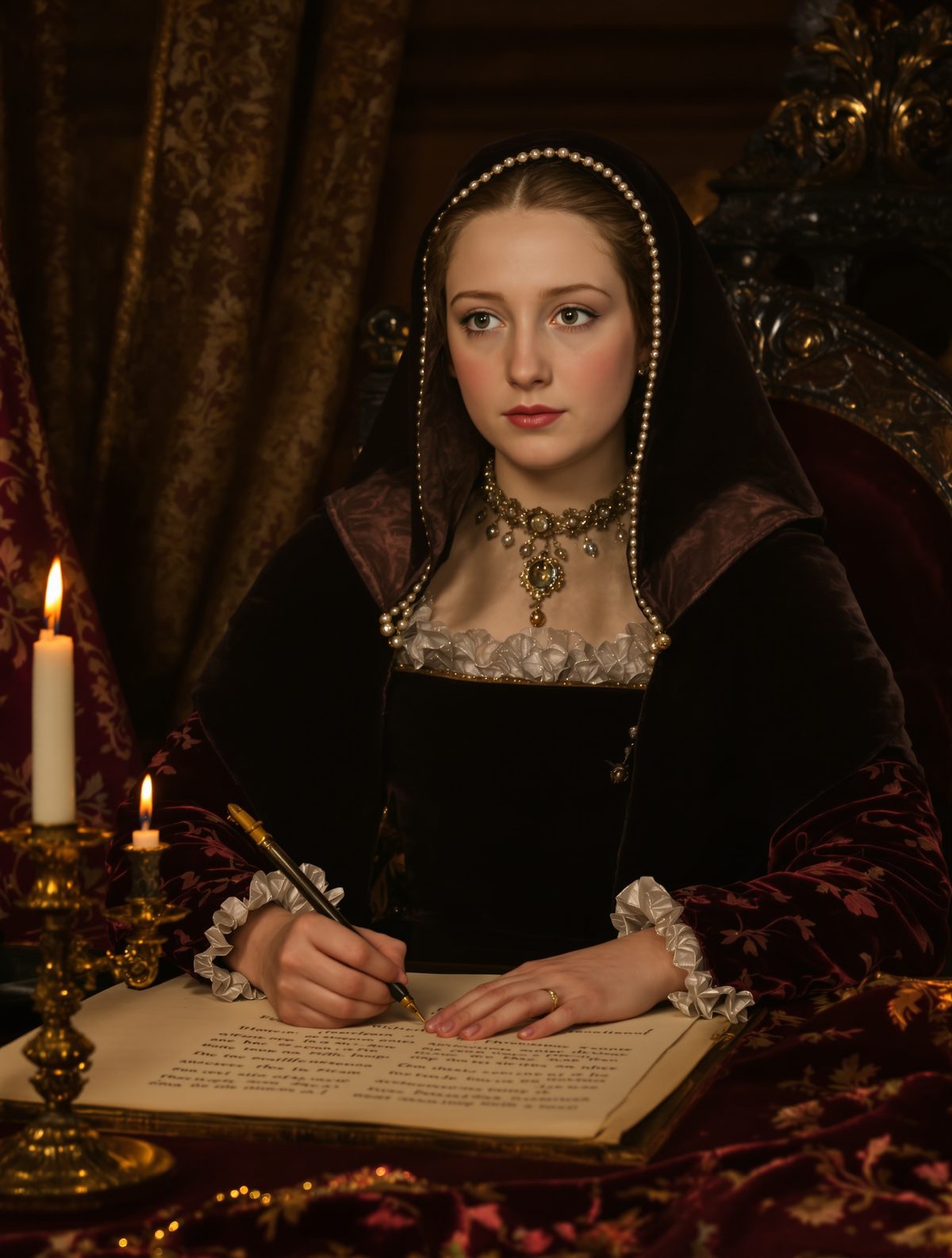
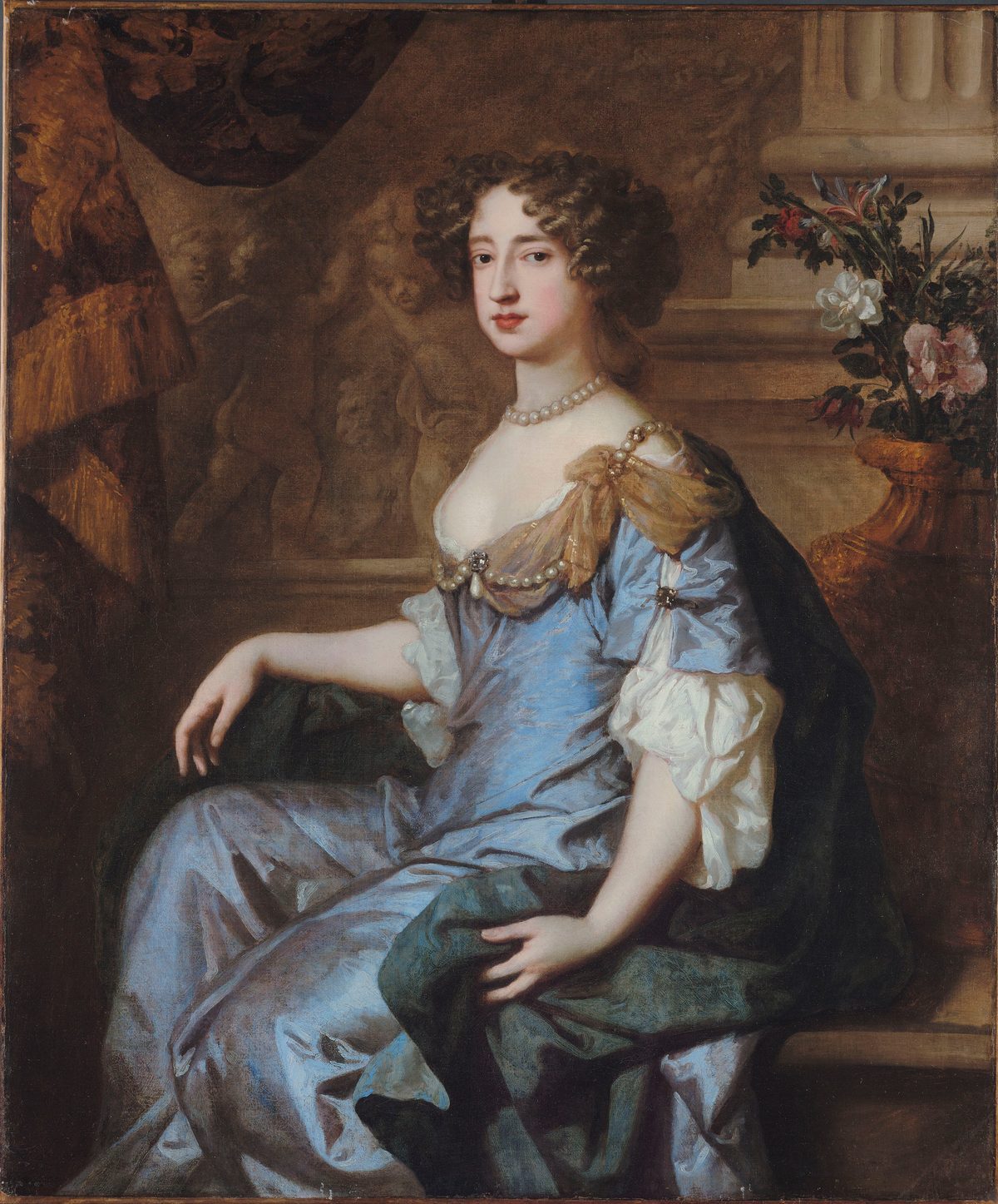
📷 Photo: Peter Lely. Public domain via Wikimedia Commons.