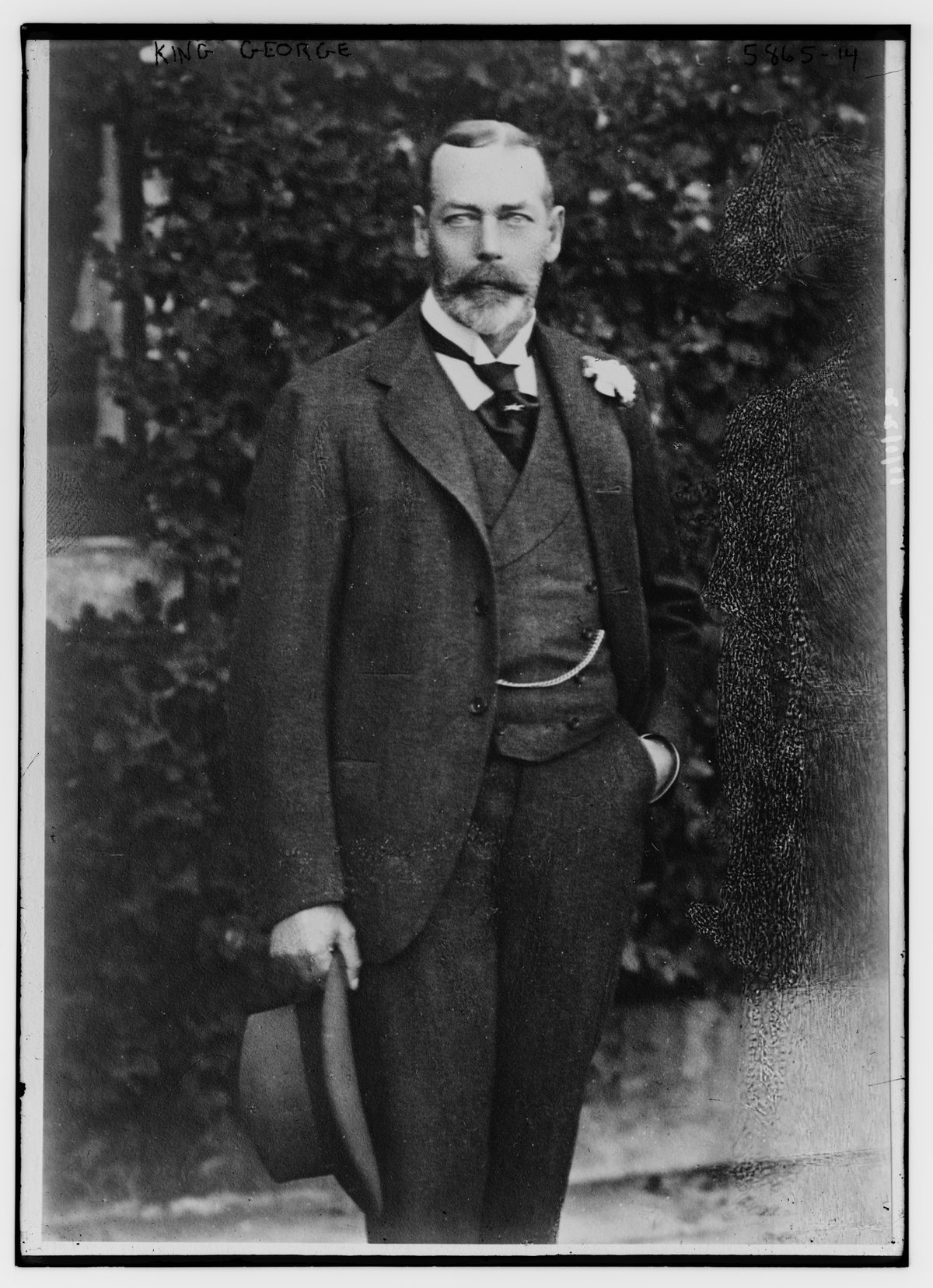
As the Great War engulfed the world and Britain grappled with its immense toll, an unexpected beacon of perseverance and duty emerged from within the walls of Buckingham Palace. On a crisp day in April 1915, amidst the echo of distant artillery and the omnipresent anxiety of a nation, King George V stunned both his court and country. With a firm hand and an unwavering resolve, he pledged to abstain from alcohol for the war's duration — a bold move that reverberated through the halls of royalty and beyond. This decisive gesture, seemingly simple yet profoundly symbolic, cast a new light on the human face of leadership amidst turmoil.
The Unexpected Promise
The announcement of King George V’s abstinence pledge arrived at a critical juncture in the history of Britain’s monarchy. The war effort required every able-bodied citizen to rise to the occasion, redefining normalcy across the kingdom. Just as munitions workers were coming under scrutiny for drink-related inefficiencies, the King’s choice carried an unmistakable message of solidarity and fortitude. By leading through example, he challenged the notion that privilege entailed exemption from sacrifice.
His commitment was not without dissent. Within the Royal Household, whispers of shock echoed through corridors often warmed by the pleasures of the palace’s renowned cellars. Decades of tradition clashed against this newfound austerity; the King's call imposed a stark deviation from the luxuries routinely enjoyed by the courtiers. For King George V, however, the act transcended mere symbolism — it was a call to unity against a common foe, a demonstration of shared sacrifice that rippled through every strata of society.
A Dry Court and the Aftermath
With signature vigor, King George enforced the prohibition within his immediate surroundings. The famed wine cellars of Buckingham Palace and beyond were effectively rendered dormant, a metaphorical line drawn in the sand of wartime Britain. As noble wines collected dust, the effect on those within the Royal Household was profound. Some courtiers adapted swiftly, embracing this newfound sobriety with as much grace as they could muster. Others, however, found the adjustment disconcerting, a disruption to the routine elegance they had long taken for granted.
The ripple effects reached far beyond the palace gates. King George’s public promise resonated with the common people, emphasizing a monarchy that was engaged and empathetic to the burdens of its subjects. The war, after all, demanded unprecedented levels of unity and resolve; by casting aside indulgences, the King aligned himself more closely with the plights of his people. For his subjects, the symbolism was potent and inspiring — their monarch was not merely an observer of sacrifices but a fellow participant.
Concerns and Consequences
As much as it dazzled and galvanized, the King’s abstinence prompted genuine concern among royal doctors and advisors. Alcohol, a staple of diet and medicine alike, was long held as vital for strength and morale, especially amidst the stresses of war. For King George V, whose health was of paramount importance, the consequences of abstaining from alcohol were initially met with hesitation by the royal physicians.
The King, however, remained steadfast in his decision. His vision was clear: Britons everywhere were called upon to rethink their dependencies for the greater good, and he was no different. Friends and couriers alike marveled at his resolve; even under the weight of wartime pressures — deliberations, strategic reviews, and extensive correspondence — his commitment never faltered.
Legacy of Leadership
What emerged from King George’s bold pledge was an indelible legacy of leadership framed by courage and empathy. In an era where public expectations of royalty were consistently evolving, his actions presented a portrait of kingship that transcended traditional boundaries of privilege. With no lessening of his duties, King George personified the ethos of service over indulgence, setting a precedent for future royals on the nature of responsibility in challenging times.
The King’s remarkable undertaking continues to echo through the corridors of history, reflecting the resilience and adaptability of the British monarchy. As present day Royals take on their own trials and triumphs, they carry forth a legacy of principled leadership that King George V so poignantly defined, illuminating the path for generations of monarchs to come and setting an enduring example of noble resolve.
In reflecting upon the past, we are reminded that the virtues of unity and sacrifice extend beyond the pages of history, reaching into the heart of contemporary society. Every royal who follows in King George’s footsteps becomes part of a lasting ethos — that in times of adversity, true strength resides not in exclusion, but inclusion; not in privilege, but in shared purpose.
📷 Photo: Bain News Service, publisher. Public domain via Wikimedia Commons.