On the Eve of Queenship
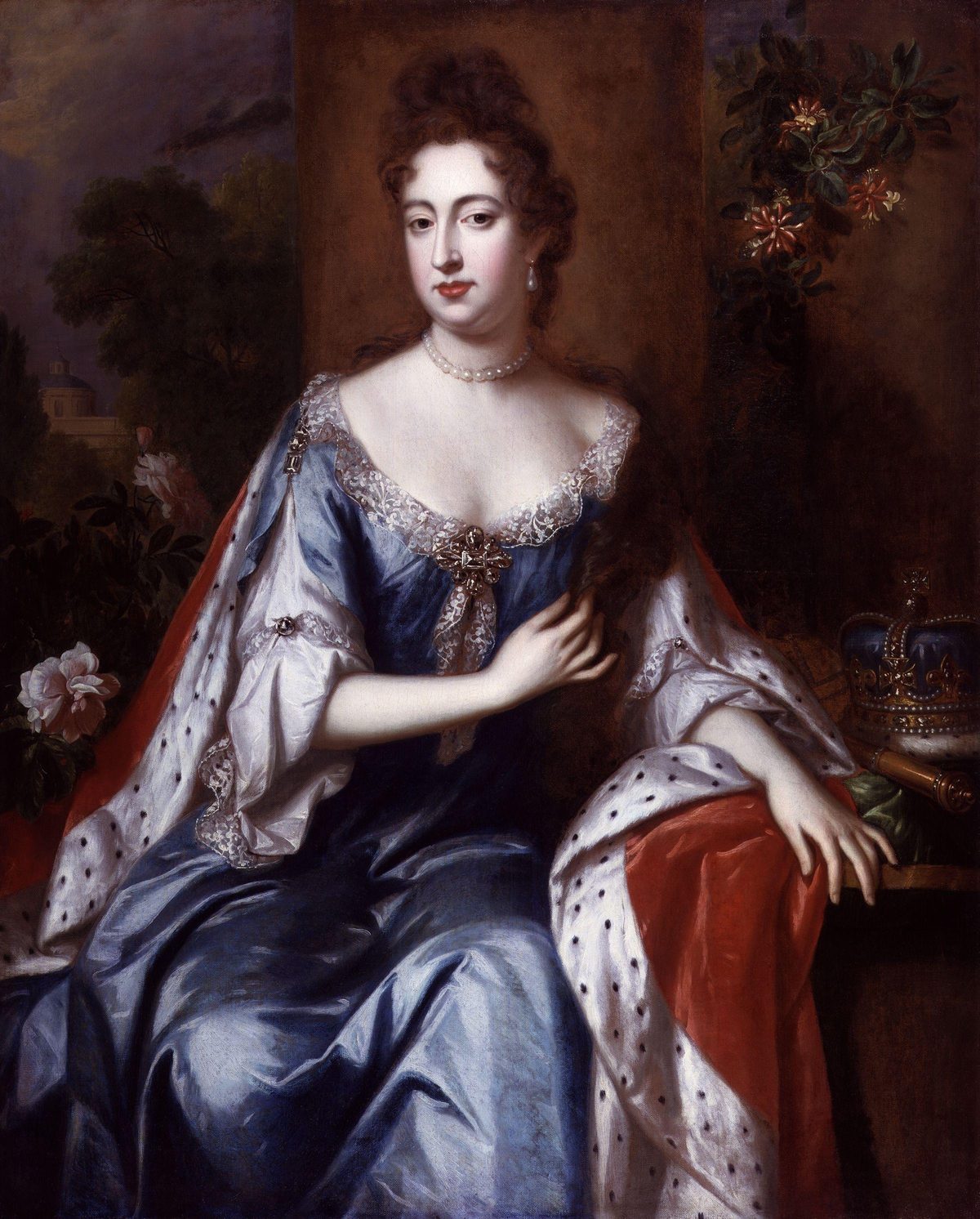
In the flickering candlelight of Whitehall Palace, Queen Mary II sat alone, shrouded in the weighty silence of destiny. She faced the mirror not as a daughter, a sister, or a wife, but as a sovereign-in-waiting. Yet, beneath the regal exterior, she was a woman anguished by a deep personal conflict. The night before her coronation in 1689, Mary wept for what she had lost—the familiar warm embrace of her father, King James II, now dethroned and in exile across the channel in France. History lauds her triumph, but few pause to ponder the personal toll of seizing a crown steeped in familial betrayal.
The Tumultuous Path to the Crown
To understand Mary's inner turmoil, one must venture into the corridors of political upheaval that marked her rise. Born into the illustrious House of Stuart, Mary was thrust into a world defined by alliances, rivalries, and relentless power struggles. Her upbringing was poised between the rigid expectations of royalty and the affectionate, albeit complex, bond with her father, James II.
The invitation extended in 1688 by the English Parliament to her husband, William of Orange, catalyzed what came to be known as the Glorious Revolution. It transformed Mary from a daughter and consort into a warrior of legitimacy, rallying noble support under the Protestant banner. Yet, this political chessboard required knocking the king off it—her father.
The decision to support William was less a repudiation of her father and more an acknowledgment of the greater good as perceived by the Protestant English elite. Nonetheless, it was a decision tangled with the strands of heartache, the kind felt by a daughter who saw both loyalty and duty pulled taut in opposing directions.
Inside Whitehall Palace
Behind the somber grandeur of Whitehall’s towering walls, the palace was a hive of anticipation. Courtiers flitted like fluttering ribbons of silk, each thread weaving the tapestry of a monarch’s ascension. The night before Mary's coronation was filled with meticulous preparations, the bustle of men and women attending to gowns, jewels, and ceremonial paraphernalia.
A sense of duty palpable enough to touch floated through the grand halls, ornamented with historical tapestries and portraits of past kings and queens. It was a space alive with history, yet its echoing chambers held few traces of the human heartaches hidden within.
In those hours, away from prying eyes, Mary sat beneath the weight of her dual role—as queen and lamenting daughter. It was whispered among those closest to her that the night was filled not only with plans and pageantry but also her private tears, a poignant testament to the Crown’s cost beyond pomp and ceremony.
A Silent Resolve
The morning of the coronation, Mary emerged as an epitome of regality, swathed in crimson and white, jewels adorning her brow. Her countenance was that of a queen, imbued with the gravitas expected by subjects and historians alike. Yet, beneath the facade was a wellspring of subdued reflection.
The coronation was a spectacle of ceremony. In Westminster Abbey, the air was thick with sacred incense, the voices of the choir weaving an ethereal tapestry of sound as it soared towards the vaulted heavens. With the placing of the crown upon her head, history chronicled a new chapter. She was no longer just Mary, the woman known by loved ones, but Queen Mary II, a central figure in England’s bold political rebirth.
Yet, as the cheers of her subjects echoed off ancient stone, they masked her inner discord—a stoic resolve punctuated by waves of introspection. Did she wonder who she was, now redefined not by the fulcrum of familial bonds but by allegiance to a nation?
The Human Cost of Monarchy
Mary's reign alongside William is often painted as a golden era, a triumphant assertion of constitutional monarchy. However, the intermingling of remarkable achievement with profound personal sacrifice serves as a reminder of the humanity nestled within the grandeur of the royal narrative.
The story of Queen Mary II offers a vivid portrait of the human spirit contending with the demands of monarchy. To the world, she was composed under the enviable shine of jewels and ceremonial aplomb. But history, if it cares to look, discerns the watermark of tears upon royal decrees.
She stood as a poignant reminder that the throne is not merely a seat of power but a mantle woven with the fibers of human experience—both triumph and tragedy. Her role was as much a story of governance as it was a saga of personal reconciliation with the choices predicated by lineage and legacy.
The Modern Monarchy’s Echo
Today, as we see the British monarchy navigate the intricacies of modernity, Mary’s story resonates more than ever. For within the glittering circles of royalty lies a compelling parallel to contemporary figures who balance public duty with personal identity. The challenges faced by royal women today echo through centuries, linking past to present with strands of shared responsibility and sacrifice.
We admire the royal family not merely for their formal roles but for the depth of their humanity behind the pageantry. Each coronation, wedding, and public appearance is imbued with echoes of history, reverberating with the unveiled emotions and dilemmas experienced by predecessors like Mary.
Her story sketches the deeper hues of a monarch’s life, bringing to light the profound personal narratives hidden within royal arches. In reflecting upon her life, we are reminded to perceive the crown not just as a symbol of power, but as a testament to the individuality and fidelity shaping the enduring spirit of the British monarchy.
📷 Photo: Jean Desboutin. Public domain via Wikimedia Commons.