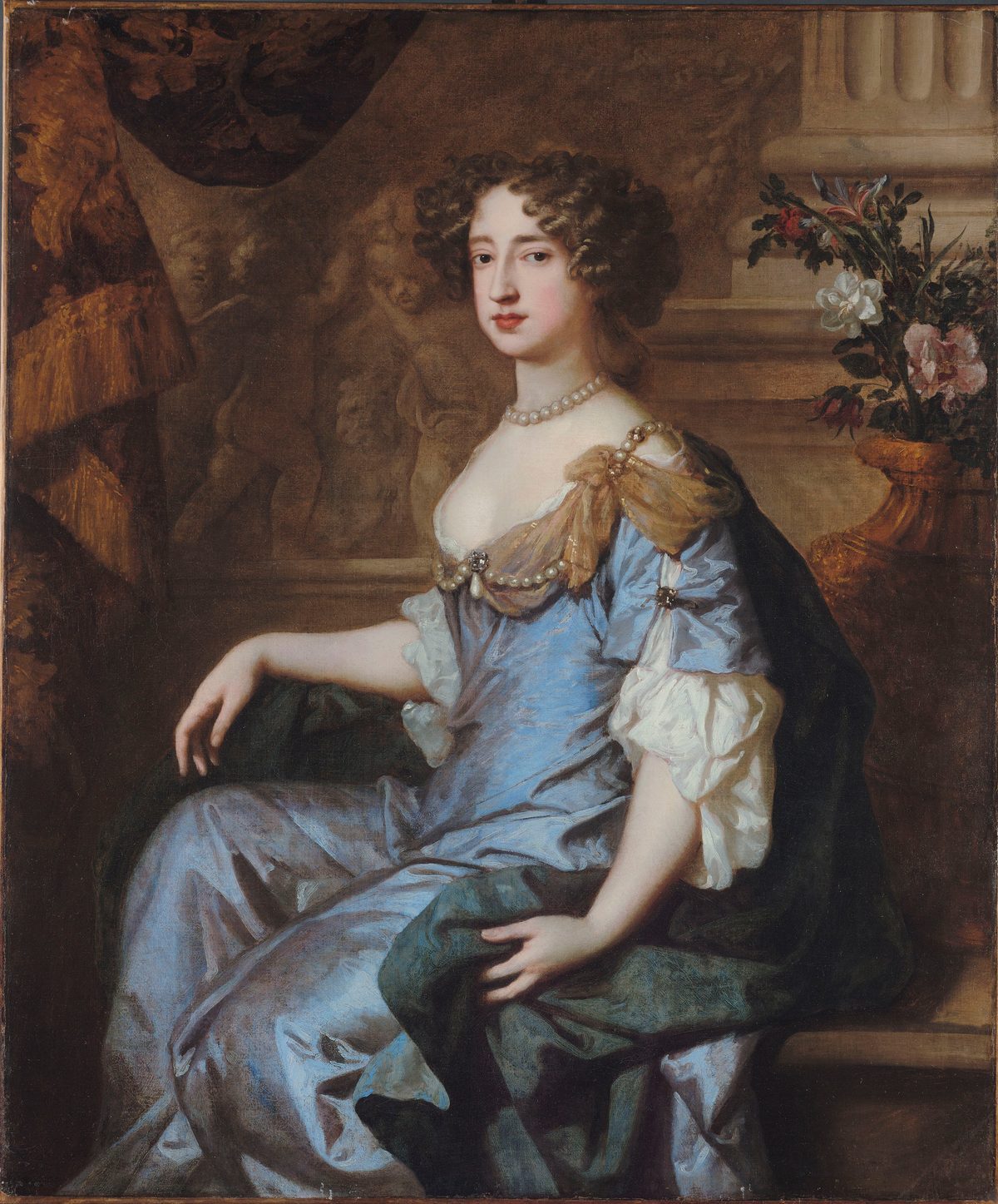
In the dimly lit corridors of a Dutch palace, a teenage girl quietly slipped away from her courtly duties. Driven by yearning for connection and belonging, she descended the stairs to the kitchen, where the warm aromas of stewing pots and freshly baked bread were mixed with lively chatter in a language unfamiliar to her ears. This young lady, Mary II of England, arrived in Holland exiled at the tender age of fifteen. Married to her cousin, William of Orange, she found herself plunged into a world so unlike the one she had known. Yet what blossomed out of this displacement was nothing short of remarkable. It was here, in her clandestine conversations with the palace maids, that young Mary taught herself Dutch, laying a foundation for a reign that would speak directly to the hearts of her husband's people.
A Royal Exile: Arriving in a Foreign Land
Mary's journey to the Netherlands began in 1677 when she was betrothed to William of Orange. The union, though political in nature, was more than just a strategic alliance against a Catholic threat represented by Louis XIV of France. For Mary, it meant leaving behind the world of her childhood in England, where she had been second in line to the throne, and stepping into an entirely new cultural tapestry.
At the time, Holland was buzzing with mercantile spirit, illuminated by the advances of the Dutch Golden Age. While William was a seasoned politician and military leader, Mary was just a young girl, shy and unfamiliar with her surroundings. Despite the splendor of her new court, she felt alone and somewhat of a stranger amid courtiers who regarded her as simply another pawn on the chessboard of European politics.
A Secret Lesson: Mary Finds Her Teachers
Instead of finding solace in her ladies-in-waiting, who were often preoccupied with gossip or their own political machinations, Mary turned her attention to the palace kitchen. Here, the heart of authentic Dutch life beat strong, and it was here that Mary found unlikely mentors. The kitchen maids, wholly unprepared for royal interactions, became her linguistic guides, weaving lessons into the rhythm of their daily duties. As pots bubbled and loaves rose, Mary absorbed their stories, their laughter, and, most importantly, their language.
Mary’s ability to speak with people on all levels of society would become a defining hallmark of her character. She recognized the power of language as a bridge between her and the people she would soon lead. Through these quiet conversations, not only did she become fluent in Dutch, but she also began to understand the values, struggles, and joys of the common people of the Netherlands. This linguistic and cultural exchange was subtle, yet profound—a testament to her adaptability and genuine desire to connect with her adopted home.
Royal Court and Cultural Tapestry: Weaving New Threads
The court of William and Mary, colorful and bustling, was a unique blend of English and Dutch traditions. This mix of cultures was nowhere more evident than in how Mary skillfully managed her dual responsibilities. She maintained her English heritage with pride while embracing Dutch customs with respect and curiosity, a balance that would later endear her to subjects of both realms when she ascended to the English throne.
It was not uncommon for courtiers and foreign dignitaries alike to witness Mary addressing her new subjects in fluent Dutch, a gesture that was received with warmth and admiration. Her linguistic prowess was a clear indication of her commitment to her new homeland, earning her not only respect but heartfelt affection. It was an extraordinary achievement for a woman of her stature, reflecting a genuine integration far beyond mere political necessity.
The Transformation: From Exile to Beloved Queen
In 1689, Mary returned to England as co-regent with her husband after the Glorious Revolution. Her time in the Netherlands had armed her with a deeper empathy and a broader understanding of governance and diplomacy. As Queen of England, Ireland, and Scotland, she continued to embody the lessons she had learned in Holland—valuing communication, immersing herself in the lives of her people, and offering her royal duties with unparalleled grace.
Mary's reign, though relatively short, was marked by her thoughtful engagement with the public and effective governance alongside William. Her ability to seamlessly blend her English roots with Dutch sensibilities became an invaluable asset during their joint rule. This remarkable transformation from a teenage exile to a beloved queen tells of resilience, adaptability, and a genuine desire to lead with understanding and grace.
The Legacy of Language: Speaking Across Centuries
Mary II's journey reminds us of the timeless significance of understanding and communication. Her story is not merely one of linguistic success but a celebration of hearts open to embracing new worlds. In today’s climate, where the challenges of cross-cultural connections are ever-present, Mary’s legacy encourages us to listen, learn, and engage deeply with others, irrespective of borders.
Such enduring lessons from the past weave into the fabric of the British monarchy today, where engagement and community continue to be vital. Queen Mary II’s extraordinary ability to adapt and find common ground with those she ruled offers a timeless example. As current members of the monarchy embrace global platforms, Mary’s lesson rings as true as ever—connections sustained by communication, respect, and genuine exchange resonate across continents and centuries.
Queen Mary II's secret linguistic pursuit, initially driven by a young girl’s longing for connection, evolved to cement her role as a beloved and effective sovereign, respected on both English and Dutch stages. Her story, a shining thread in the tapestry of monarchy, demonstrates the glorious capacity of the human spirit to transform adversity into a bridge toward understanding and unity.
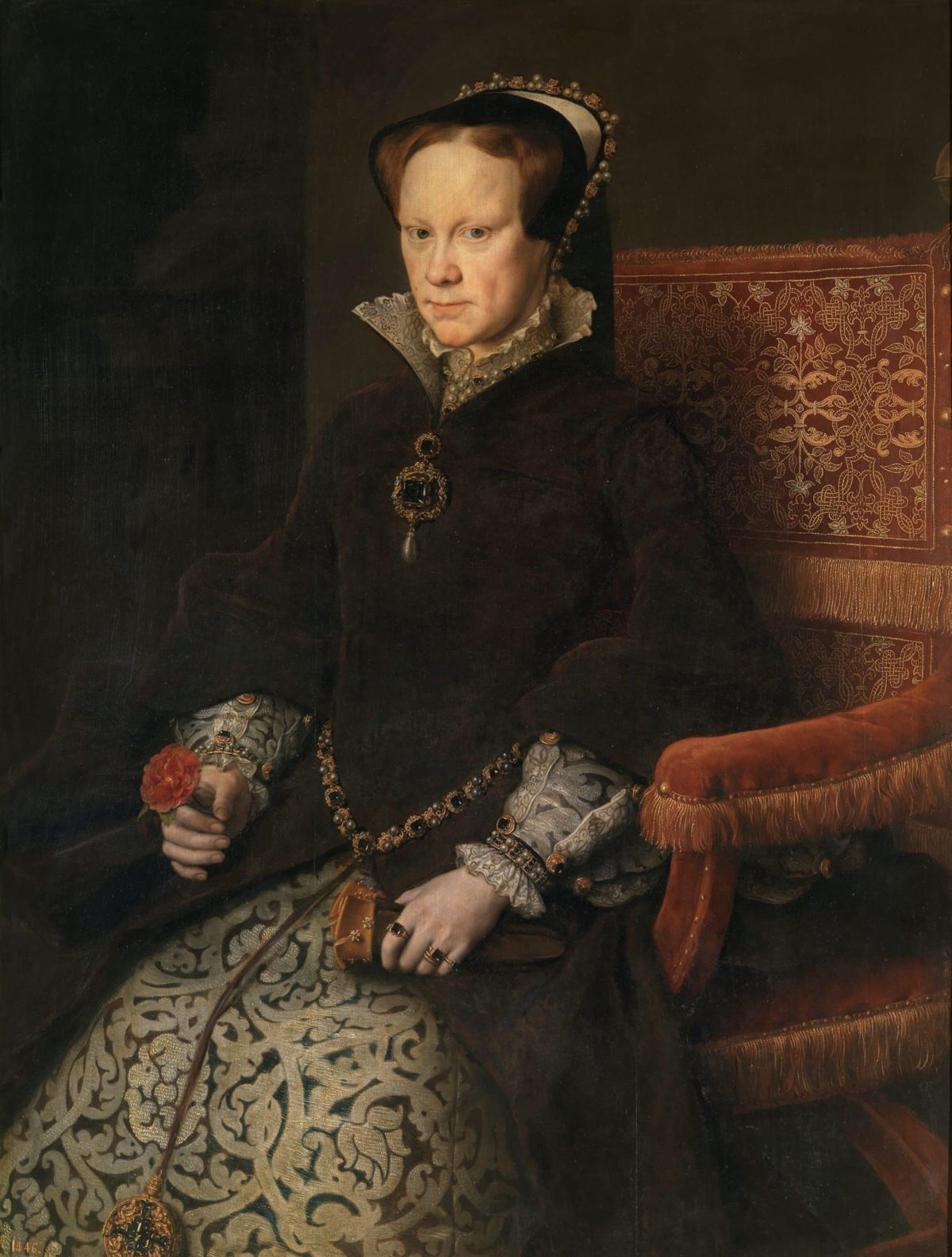
📷 Photo: Antonis Mor. Public domain via Wikimedia Commons.