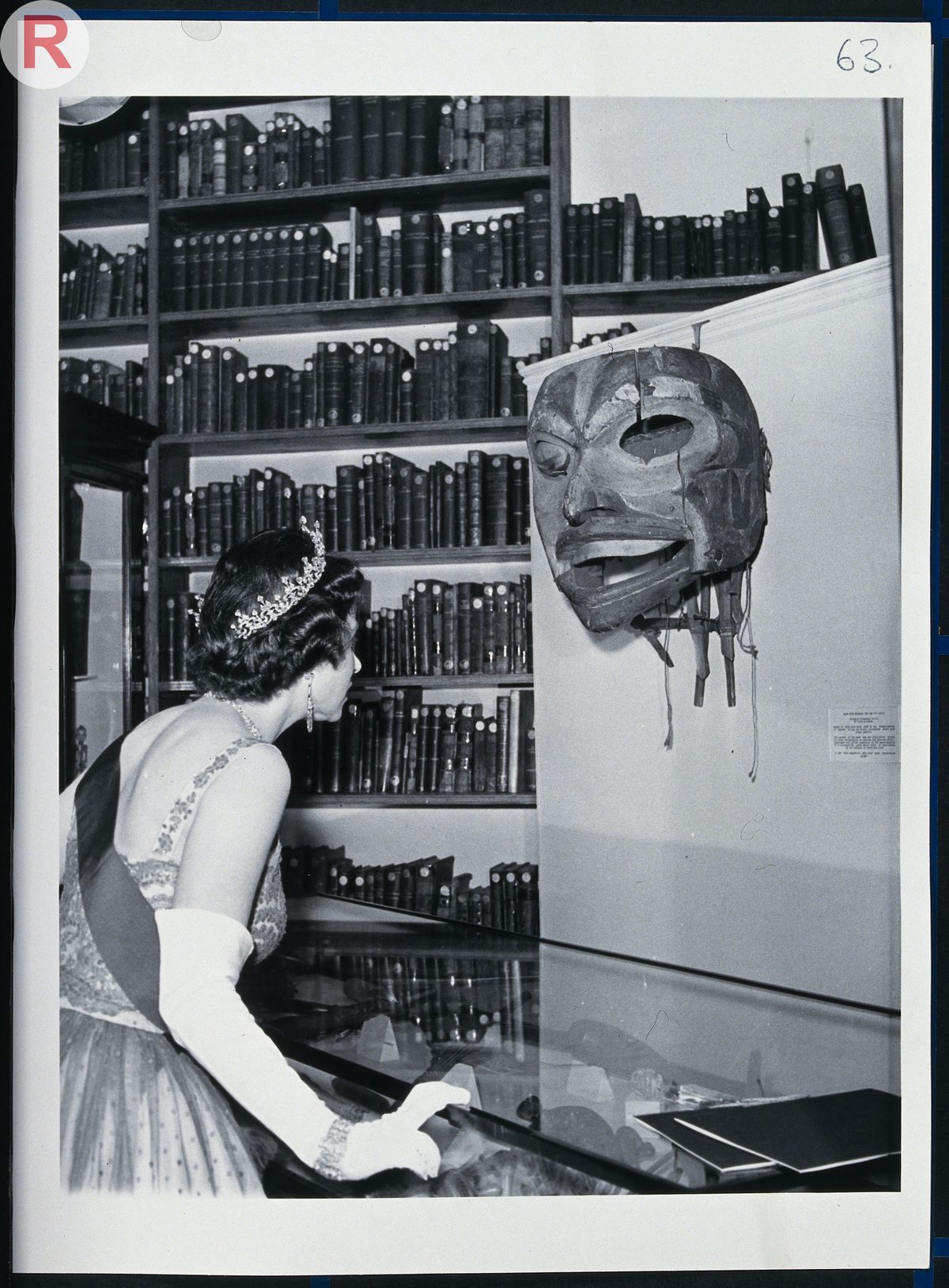
On a chilly Christmas Day in 1957, an elegantly poised Queen Elizabeth II stood before the world in a manner unlike any of her predecessors. The first ever televised Christmas broadcast was about to unfold, and the young Queen — at that time only five years into her reign — understood that she was on the edge of an historic transformation. For this monumental occasion, the monarch donned an exquisite gown of ivory silk embroidered with silver threadwork, designed meticulously to shimmer under the studio lights. It was not just a gown; it was a statement, a bridge between tradition and the modern age. A symbol of regality that spoke not only to her court but to millions firmly nestled in their televisions' soft glow.
The Royal Gown: A Masterpiece in Silk and Silver
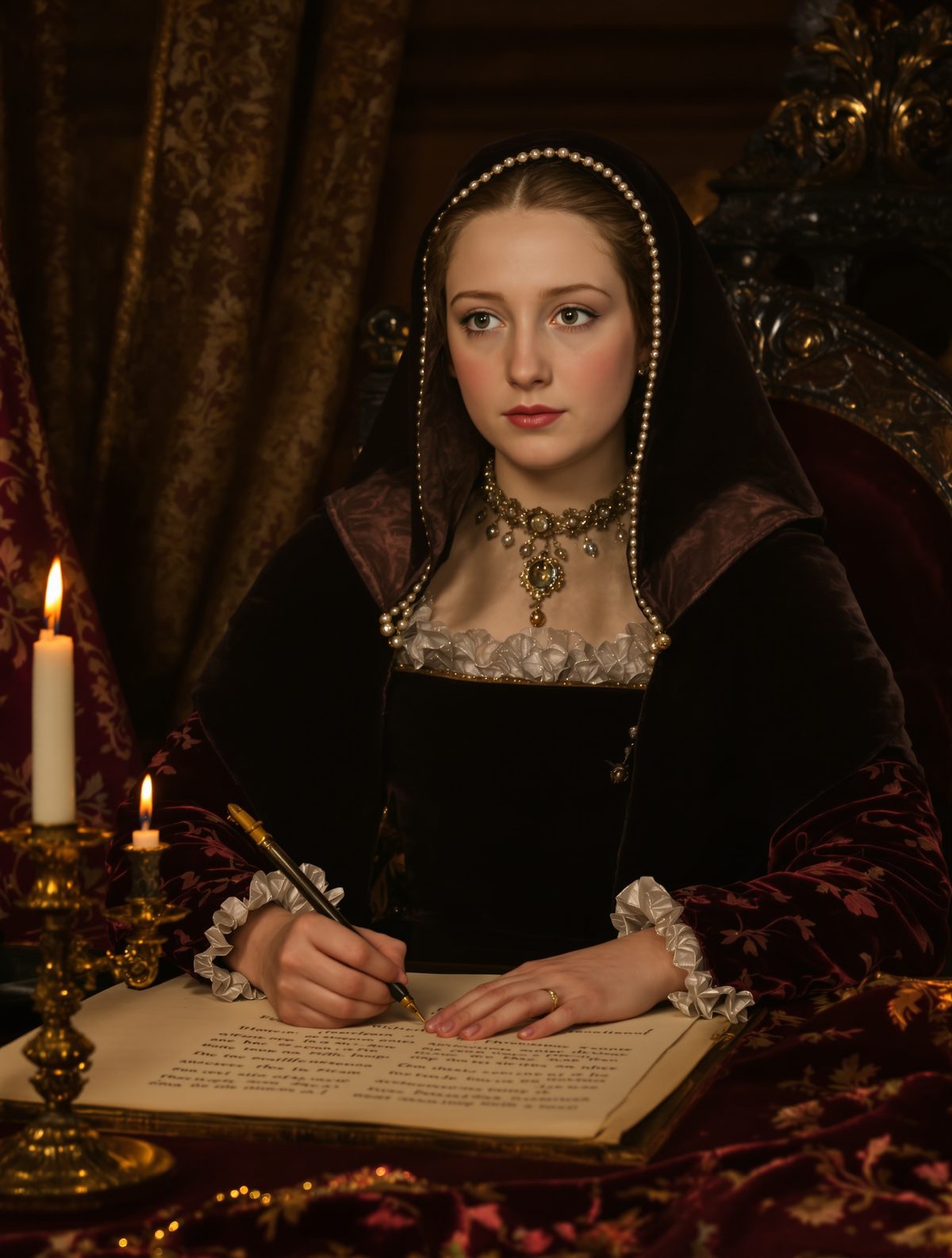
The gown Queen Elizabeth II chose for her seminal broadcast was a creation that fused classic elegance with the meticulous craftsmanship the House of Windsor was renowned for. Crafted from rich ivory satin, the gown was gracefully embroidered with delicate patterns wrought in fine silver thread. The choice of ivory and silver was deliberate; these were not colors of ostentation, but rather, they underscored a refined dignity that befitted a sovereign at a pivotal moment. Royal seamstresses and designers worked tirelessly under the guiding eye of Sir Norman Hartnell, the same gifted designer who had crafted her wedding and coronation gowns. Each stitch was imbued with symbolism and care, capturing the splendor of monarchy while reflecting a soft accessibility.
The gown was a vision in every way, a garment designed to catch and reflect light, creating an almost ethereal glow that danced across the Queen as she spoke. In the elegance of its form and the shimmering opulence of its decoration, the gown was both a nod to continuity and a harbinger of the monarchy's adaptation to modernity.
A Broadcast for the Ages: Connecting with the People
The backdrop to the Queen's sartorial choice was equally significant. The technology of television was just beginning to become a household presence in post-war Britain. The Queen’s decision to engage with her subjects through this new medium was a deft move, strategically aligning an age-old institution with forward-thinking communication. While previous royal addresses had been delivered over radio, this was a chance for the British people to see their queen as they had never seen her before: live, personal, and accessible.
The broadcast heralded a new era. As Queen Elizabeth II faced the cameras from her study at Sandringham, layered with cozy elegance and regal souvenirs of her reign, she spoke directly to a nation still making sense of its place in a rapidly changing world. Her gown, glittering subtly against the dark wood of the study, was metaphorically a bridge between the dust of tradition and the polish of the modern world.
Inside the Royal Circle: Fashion and Influence
Queen Elizabeth II was renowned not just for her clothes but for what they represented. Fashion in the royal household served purposes far beyond mere aesthetics. It was an essential part of diplomacy and national representation. Just as her choice of attire communicated a consistent message of gravitas, so too did it speak to her nimble adaptability in an ever-evolving world stage.
Sir Norman Hartnell’s history of devotion to royal fashion was indicative of the great trust placed upon him. His garments, while beautiful beyond measure, were always more than cloth and silk — they were the fabric of an evolving narrative. The Queen's choice on that Christmas day was no exception. The collaboration reflected a shared vision for a modern monarchy — rooted in tradition but fully alive to the opportunities of the present and future.
The Lasting Impact: A Queen for All Seasons
Sixty-six years have passed since that auspicious first televised address and the world, like the monarchy, has continued to evolve. Queen Elizabeth II’s gown on that historic day remains a timeless emblem of her reign, of a time when a young queen stepped confidently into the living rooms of her subjects, reasserting the monarchy’s place in the heart of the nation.
Beyond its visual impact, the gown marked a transformative moment in public perception. It was sartorial diplomacy—reminding viewers that the monarchy, while ancient, was not stagnant. The influence of the gown went beyond British borders, setting a precedent for how public figures could connect more deeply with those they serve. As we look back today, the gown remains an enduring symbol of a monarch who masterfully balanced the ancient with the modern, sovereignty with service.
"It was a time of change, but also of continuity," said a young woman who watched the 1957 broadcast with her family. "We saw the Queen not as a distant figure, but as someone who was embracing the future with us. And her gown spoke volumes."
The moment Queen Elizabeth II stepped into the history books dressed in ivory silk, she redefined an institution, transcending the boundaries of time and space with grace and a touch of glamour. Her gown that silenced a nation remains as rich in its story as it is in its fabric—a timeless reflection of an enduring legacy.
📷 Photo: Unknown. CC BY 4.0 via Wikimedia Commons.