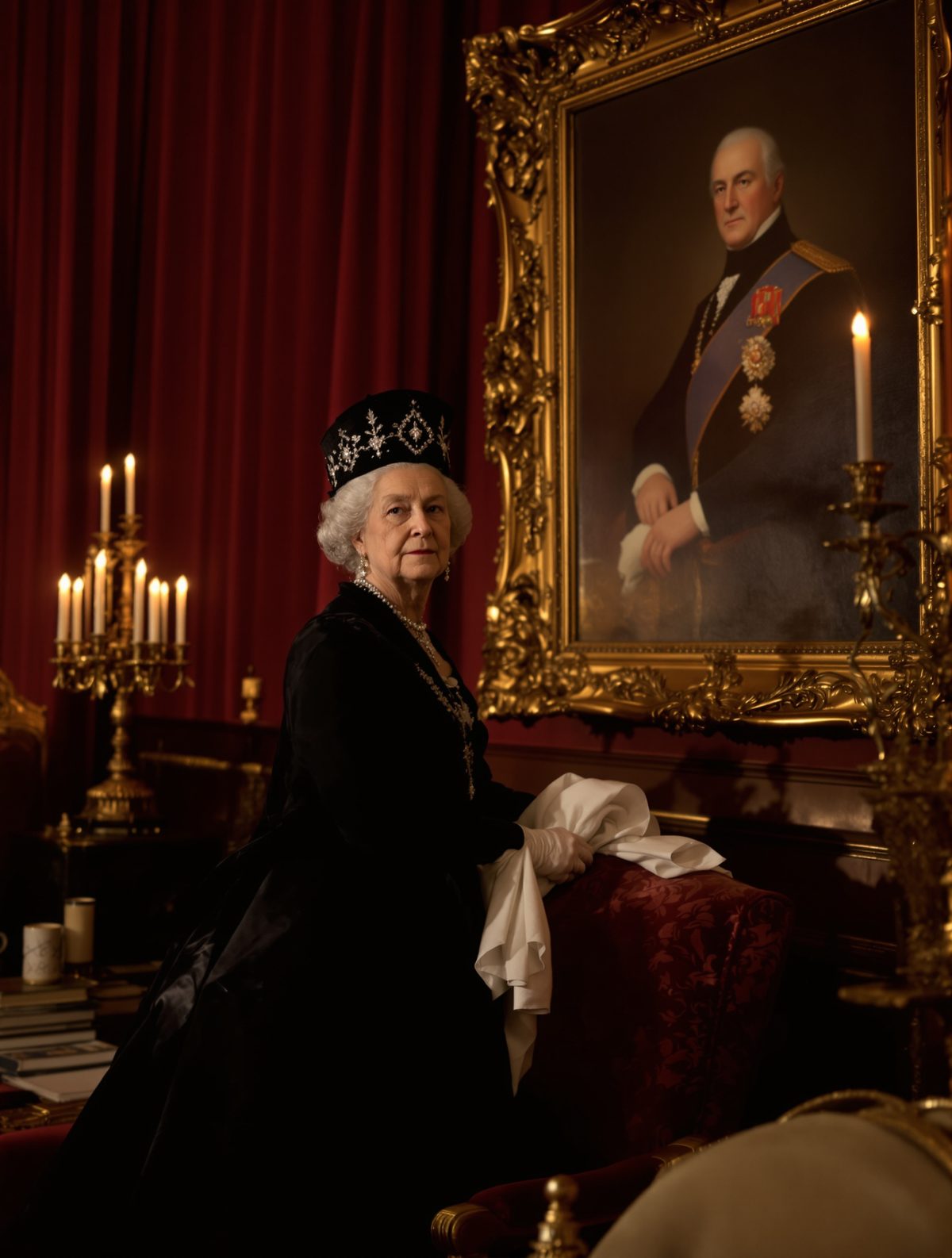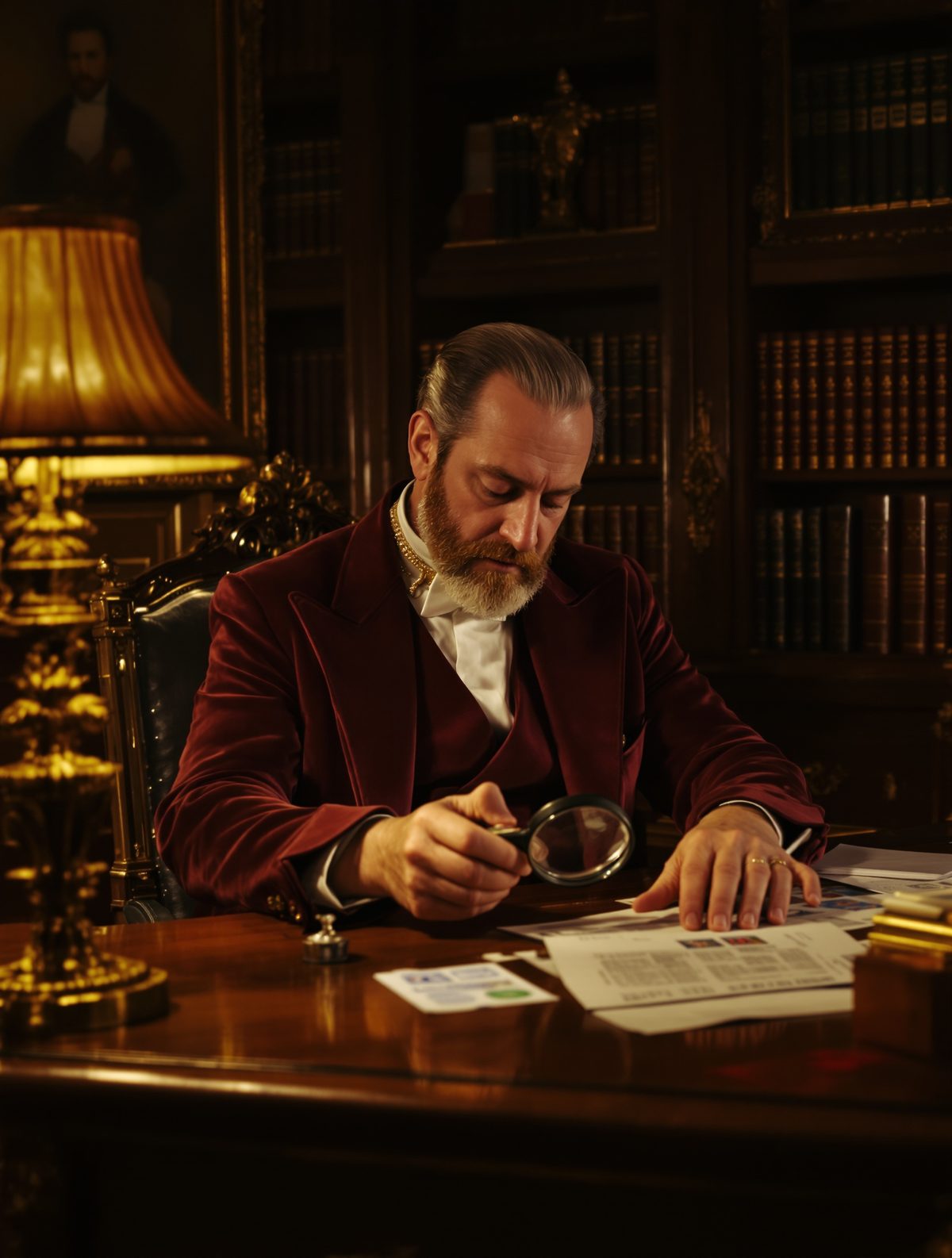
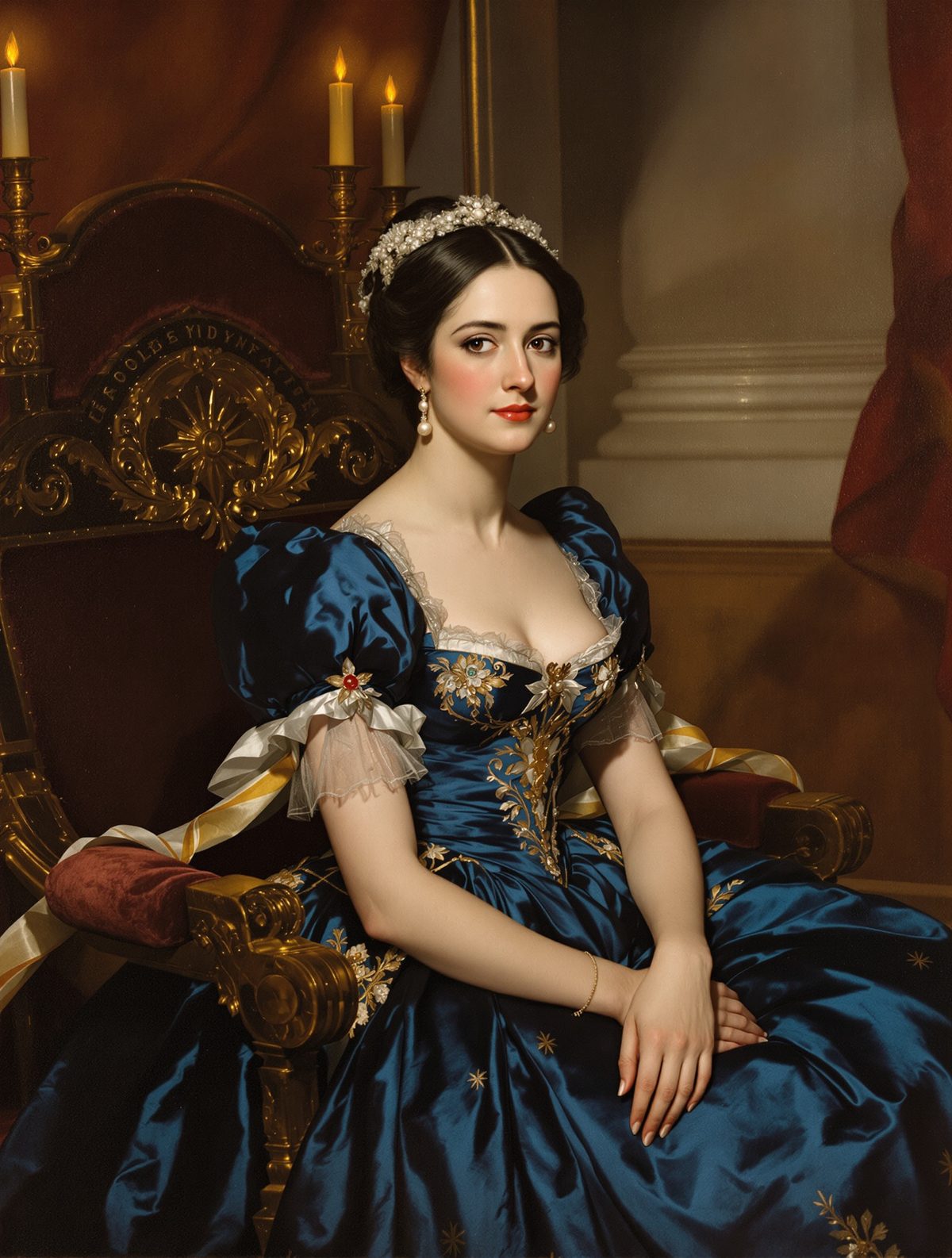
In the gilded corridors of Windsor Castle during the early 1800s, where propriety reigned supreme and every royal movement was scrutinised, Princess Sophia of the United Kingdom found herself at the centre of a scandal that would rock the Georgian court to its very foundations. At 55 years old—an age when most Georgian ladies had long settled into spinsterhood or widowhood—this daughter of King George III embarked upon a passionate love affair that defied every convention of royal life. Her story reveals not just a remarkable romance, but the suffocating constraints placed upon royal women of her era.
A Princess in Golden Chains
Princess Sophia was born into a world of unparalleled privilege and equally unparalleled restriction. As the fifth daughter of King George III and Queen Charlotte, she lived within the rigid framework of the Royal Marriages Act of 1772—a law her own father had enacted following his brother's unsuitable marriage. This legislation decreed that no member of the royal family could marry before the age of 25 without the sovereign's consent, and even after 25, Parliament could veto any union they deemed inappropriate.
For the royal daughters, this meant a life of perpetual dependence and spinsterhood. Unlike their brothers, who eventually found wives (albeit often after considerable drama), Sophia and her sisters remained unmarried well into their middle age, trapped in what courtiers privately called the "nunnery" of the royal household. They lived under the watchful eye of their formidable mother, Queen Charlotte, whose Germanic sense of propriety brooked no deviation from the strictest moral standards.
By 1810, Princess Sophia had spent four decades navigating the treacherous waters of court life. She was known for her quick wit, her love of literature, and her skill at watercolour painting—accomplishments deemed suitable for a princess but which could never compensate for her lack of an independent life. The princess had watched younger women marry, bear children, and establish households while she remained forever the king's daughter, never to become someone's wife or mother.
An Unexpected Romance
It was into this atmosphere of repressed longing that Thomas Garth entered Princess Sophia's orbit. As one of King George III's equerries—trusted courtiers responsible for the monarch's daily needs and ceremonial duties—Garth had unprecedented access to the royal family's private quarters. He was a man of good family but modest means, exactly the sort of person the Royal Marriages Act was designed to keep at arm's length from princesses.
The precise details of how their relationship began remain shrouded in the discretion that surrounded all royal affairs of the heart during this period. What we do know is that Garth, unlike many courtiers who maintained a careful distance from the royal daughters, treated Princess Sophia with a warmth and genuine affection that she had rarely experienced. Here was a man who saw not just a princess to be deferred to, but a woman to be cherished.
Their courtship, if it could be called that, unfolded within the confines of the royal household itself. Stolen conversations in portrait galleries, meaningful glances across state dinners, and perhaps brief encounters in the palace gardens provided the backdrop for an affair that grew stronger precisely because it had to remain hidden. For Princess Sophia, approaching her sixth decade, this represented not just romance but a last chance at the kind of passionate connection she had read about in novels but never expected to experience.
The Palace's Darkest Secret
The shocking news that Princess Sophia was expecting a child at age 55 sent tremors through the highest echelons of the royal household. In an era when maternal mortality was high and pregnancy at such an advanced age was both dangerous and scandalous, the situation required immediate and absolute discretion. The very foundations of royal respectability seemed to tremble—here was a king's daughter, unmarried and decidedly past the bloom of youth, carrying the child of a courtier.
The palace machinery swung into action with the efficiency born of centuries of managing royal crises. Princess Sophia was quietly removed from public view, her absence explained by a convenient illness that required extended rest and recuperation. The official court calendar showed no trace of scandal, no hint that anything untoward was occurring within the royal household.
When the child was born—a son who would be named Thomas—the cover-up began in earnest. The infant was immediately placed in the care of a trusted family, his true parentage hidden behind a web of carefully constructed lies and misdirection. Official records were altered or omitted entirely. The few courtiers who knew the truth were bound by oaths of secrecy that they would take to their graves.
Thomas Garth, meanwhile, found his position at court subtly altered. He remained in royal service—dismissing him would have raised too many questions—but his access to Princess Sophia became severely limited. The lovers who had found each other despite seemingly impossible odds were now kept apart by the same royal system that had brought them together.
A Cover-Up That Lasted Centuries
The success of the royal household's discretion was remarkable even by the standards of an era that prized secrecy above almost all other virtues. For decades, no whisper of Princess Sophia's scandal reached the gossip-hungry newspapers of London. The carefully orchestrated silence held through changes of reign, political upheavals, and social transformations that might have loosened other tongues.
Princess Sophia herself lived for another 35 years after her son's birth, dying in 1848 at the age of 70. Throughout those decades, she maintained the fiction that nothing untoward had ever occurred, playing her role as the dutiful, if somewhat eccentric, maiden aunt to perfection. She never married, never publicly acknowledged her son, and never openly challenged the system that had forced her into such painful choices.
The truth only began to emerge in the 20th century, when historians examining private papers and family records started to piece together the extraordinary story. Even then, the evidence came in fragments—a letter here, a diary entry there, financial records showing mysterious payments to certain households. The full picture of Princess Sophia's remarkable love affair has only recently been understood by royal historians.
A Very Human Story
Princess Sophia's story illuminates the profound human cost of royal protocol during the Georgian era. Behind the glittering façade of court life lay real people with real desires, trapped by circumstances they could neither control nor escape. Her romance with Thomas Garth represents a triumph of genuine feeling over institutional constraint—a reminder that even the most rigid systems cannot entirely suppress the human heart.
When we consider the freedoms enjoyed by today's royal family members—the ability to marry for love, to pursue careers, to live relatively independent lives—Princess Sophia's story serves as a poignant reminder of how far the monarchy has evolved. The same institution that once condemned a 55-year-old princess to a lifetime of secrecy for finding love now celebrates royal romances and welcomes new members with warmth and joy.
Her legacy lies not in scandal, but in the quiet courage she showed in choosing love over duty, even when that choice came with an unbearable price. In the annals of royal history, Princess Sophia stands as a testament to the enduring power of human connection and the eternal hope that, even in the most constrained circumstances, the heart will find a way.