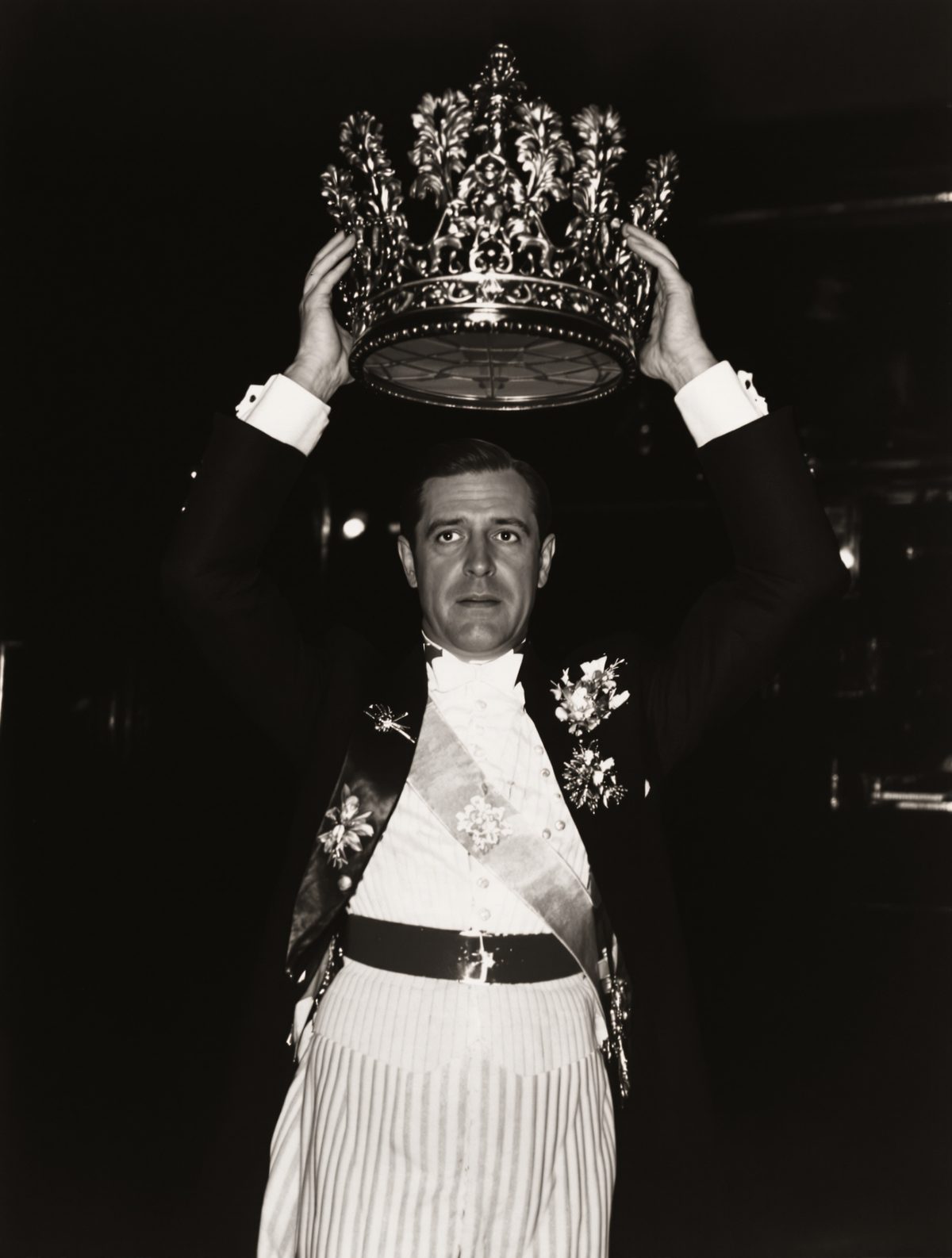
In the dimly lit study of Buckingham Palace, on the evening of 11 May 1937, a most extraordinary scene unfolded. The man who would be crowned King of the British Empire the following morning sat alone at his desk, trembling hands reaching for an unlikely prop—a simple wastepaper basket. As the palace slept around him, George VI, the reluctant king who had never expected to wear the crown, prepared for the most daunting day of his life by practising the ancient coronation ceremony with makeshift regalia, whispering the sacred words that would transform him from nervous prince to sovereign.
The Accidental King's Burden
George VI's path to the throne had been as unexpected as it was unwanted. Born Albert Frederick Arthur George, he was the "spare" who lived contentedly in the shadow of his charismatic older brother, Edward. Bertie, as he was known to family, had planned a quiet life of royal duty without the crushing weight of kingship. He was a devoted family man, deeply in love with his wife Elizabeth and utterly besotted with his young daughters, Princesses Elizabeth and Margaret.
The abdication crisis of 1936 shattered this peaceful existence. When Edward VIII chose love over duty, abdicating to marry American divorcée Wallis Simpson, the crown fell to a man who was temperamentally and emotionally unprepared for its demands. George VI suffered from a severe stammer that made public speaking torture, and he was painfully shy—qualities that seemed antithetical to the public role now thrust upon him.
The months between his accession and coronation had been a whirlwind of preparation, both ceremonial and personal. While the great machinery of state organised the most magnificent coronation pageant Westminster Abbey had seen in decades, the new king battled his own demons. He worked tirelessly with speech therapist Lionel Logue to master his stammer, knowing that the coronation ceremony would require him to speak clearly and confidently before not only the assembled nobility but also the listening millions across the Empire.
A Palace in Preparation
As coronation day approached, Buckingham Palace buzzed with activity. Seamstresses made final adjustments to the magnificent Robe of State, while officials rehearsed every minute detail of the ceremony. The Imperial State Crown, glittering with nearly 3,000 diamonds, sat in the Tower of London awaiting its moment. Queen Elizabeth, soon to be Queen Consort, managed the complex logistics with characteristic grace, all while supporting her increasingly anxious husband.
The official rehearsals at Westminster Abbey had been elaborate affairs, but they could not replicate the true weight of the moment—both literal and metaphorical. The St. Edward's Crown, which would actually crown the king, weighed over 5 pounds and was notoriously difficult to balance. More challenging still was the emotional weight of the moment when he would be transformed from Albert, Duke of York, into George VI, by the Grace of God King of Great Britain and the British Dominions beyond the Seas.
Royal courtiers noted the king's growing nervousness as the day approached. He was known to pace the palace corridors late at night, and his stammer, which had improved markedly under Logue's tutelage, threatened to return under the immense pressure. The Archbishop of Canterbury, Cosmo Lang, spent hours with the king discussing not just the ceremony but its profound spiritual significance, helping him find strength in the religious foundation of the monarchy.
The Night Before Glory
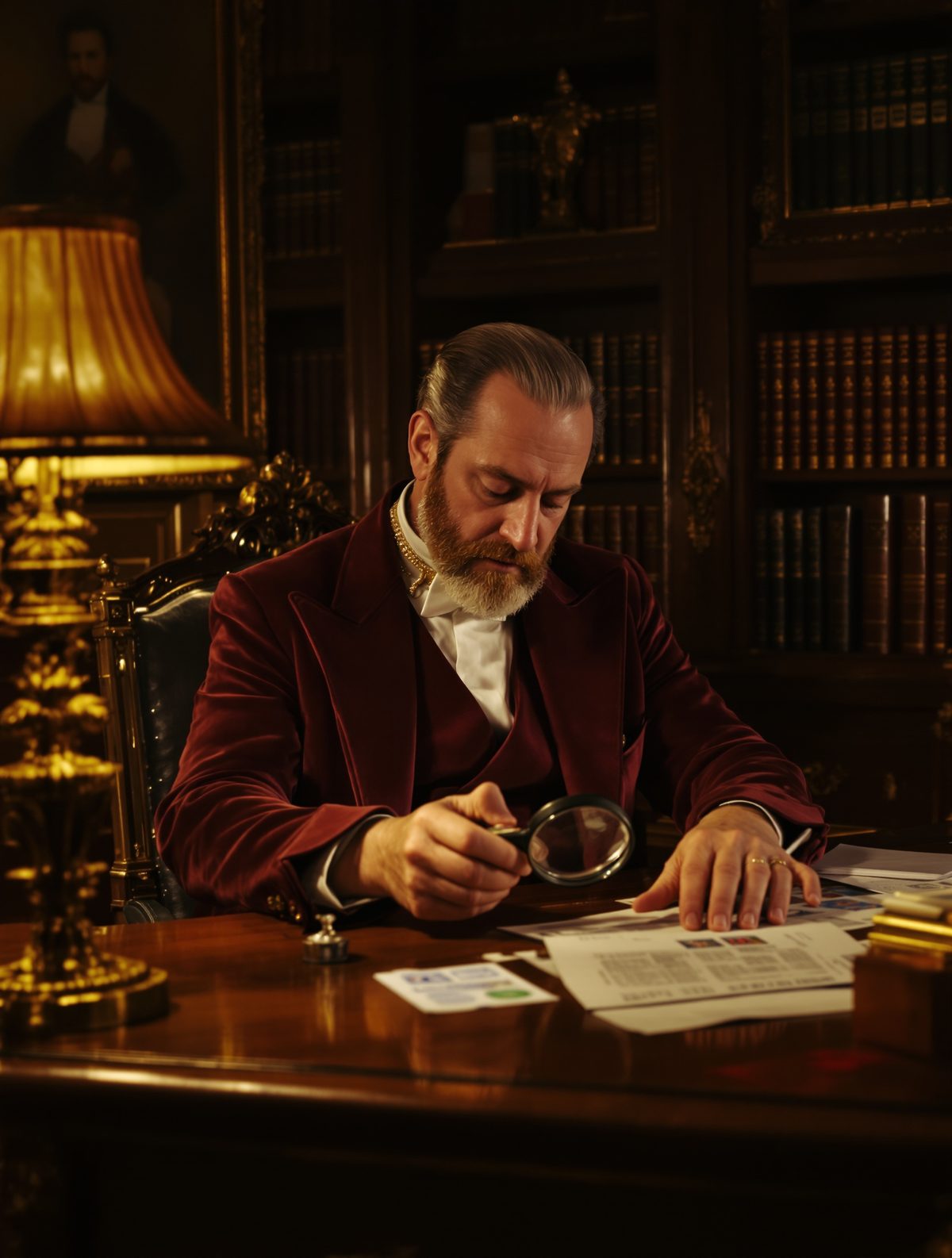
On that fateful evening of 11 May, unable to sleep and overwhelmed by the magnitude of what awaited him, the king retreated to his private study. This sanctuary, lined with his beloved books and family photographs, offered the only space where he could be simply Bertie rather than the King-Emperor. It was here, in this most private of moments, that he made his touching decision to rehearse the coronation ceremony one final time.
The image of the future king, placing a wastepaper basket upon his head to simulate the weight and feel of St. Edward's Crown, speaks volumes about his character. Here was a man who took his duties so seriously that he would practice alone, using whatever props were at hand, to ensure he would not fail his people on the morrow. The wastepaper basket became his crown, a book served as the Bible, and he whispered the ancient words of the coronation service to the empty room.
This wasn't mere theatrical rehearsal—it was a deeply personal ritual of preparation. Each movement, each response, each moment where he would need to stand or kneel was practised with meticulous care. The king understood that millions would be watching, that the ceremony would be broadcast live across the Empire, and that any stumble would be magnified far beyond the abbey's ancient walls.
The solitary practice session revealed the profound loneliness of kingship, even as it demonstrated the king's unwavering commitment to duty. In those quiet hours, surrounded by the sleeping palace, George VI transformed his fear into determination, his reluctance into resolve.
Crown and Courage
The following morning brought the magnificent spectacle for which he had so carefully prepared. Westminster Abbey filled with the greatest nobles of the realm, foreign dignitaries, and representatives from across the Commonwealth. The ceremony unfolded with ancient grandeur: the recognition, the oath, the anointing with holy oil, and finally, the moment when Archbishop Lang placed St. Edward's Crown upon the king's head.
Those who witnessed the coronation noted the king's composure and dignity throughout the lengthy ceremony. His voice, when he spoke the words he had practised so carefully the night before, was clear and strong. The wastepaper basket rehearsal had served its purpose—the real crown felt familiar, not foreign, upon his brow.
Queen Elizabeth was crowned beside him, their daughters watching from the royal gallery in specially made coronets. The moment when young Princess Elizabeth, just eleven years old, witnessed her father's transformation must have planted early seeds of understanding about the destiny that awaited her.
The coronation was acclaimed as a triumph, restoring confidence in the monarchy after the turbulence of the abdication crisis. But perhaps its greatest triumph was personal—the reluctant king had found his courage and stepped into his role with grace and dignity.
The Making of a Monarch
That midnight rehearsal with a wastepaper basket proved prophetic. The thorough preparation, the attention to detail, and the deep sense of duty it represented would characterise George VI's entire reign. He would go on to lead Britain through the darkest days of the Second World War, his courage and determination inspiring a nation under siege. The man who had feared to speak in public became the voice that rallied the Empire.
The king's careful preparation and willingness to practice even in private speaks to something timeless about the best of royal service. His daughter, our late Queen Elizabeth II, inherited not just his crown but his meticulous approach to duty and his understanding that even the grandest ceremonies require the most careful preparation. She, too, would spend hours rehearsing for her own coronation, understanding that the crown requires not just birthright but dedication.
The wastepaper basket that served as an impromptu crown that night represents something profound about the nature of monarchy itself—that behind the ancient pageantry and glittering regalia lies simple human dedication, the willingness to practice, to prepare, and to serve regardless of personal cost. In our modern age, when we marvel at royal ceremonies, we might remember that nervous king, alone in his study, transforming everyday objects into sacred symbols through the alchemy of duty and love for his people.