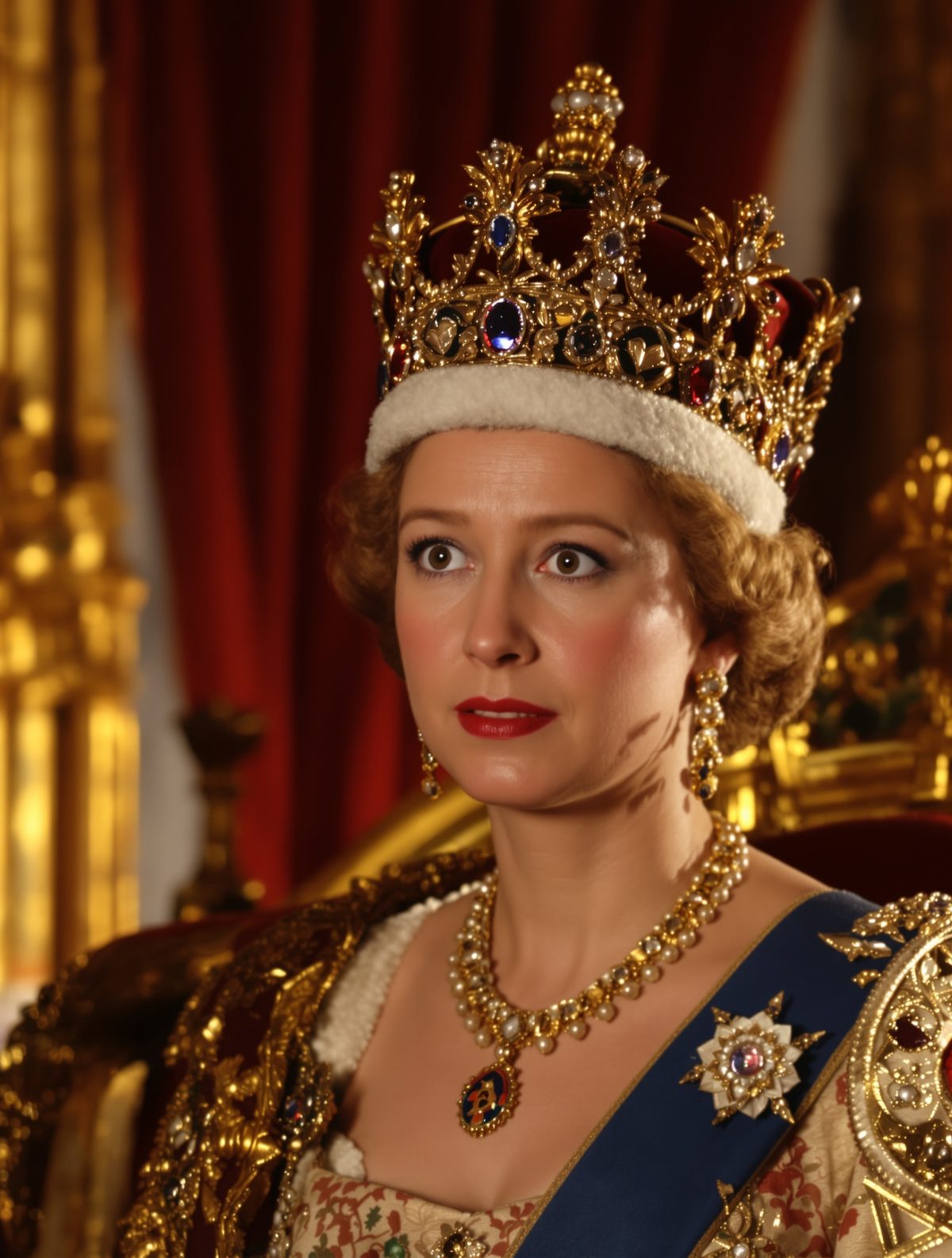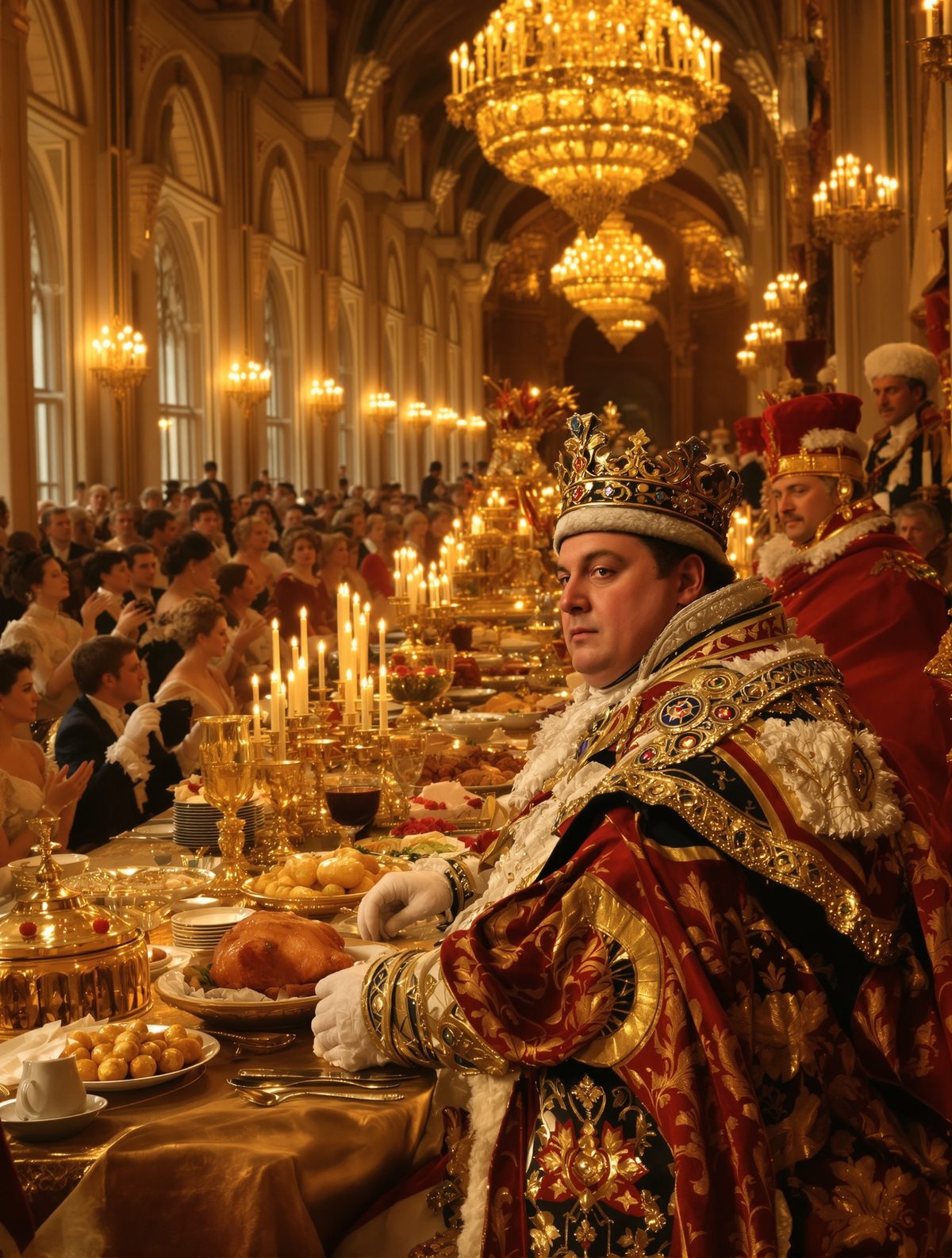
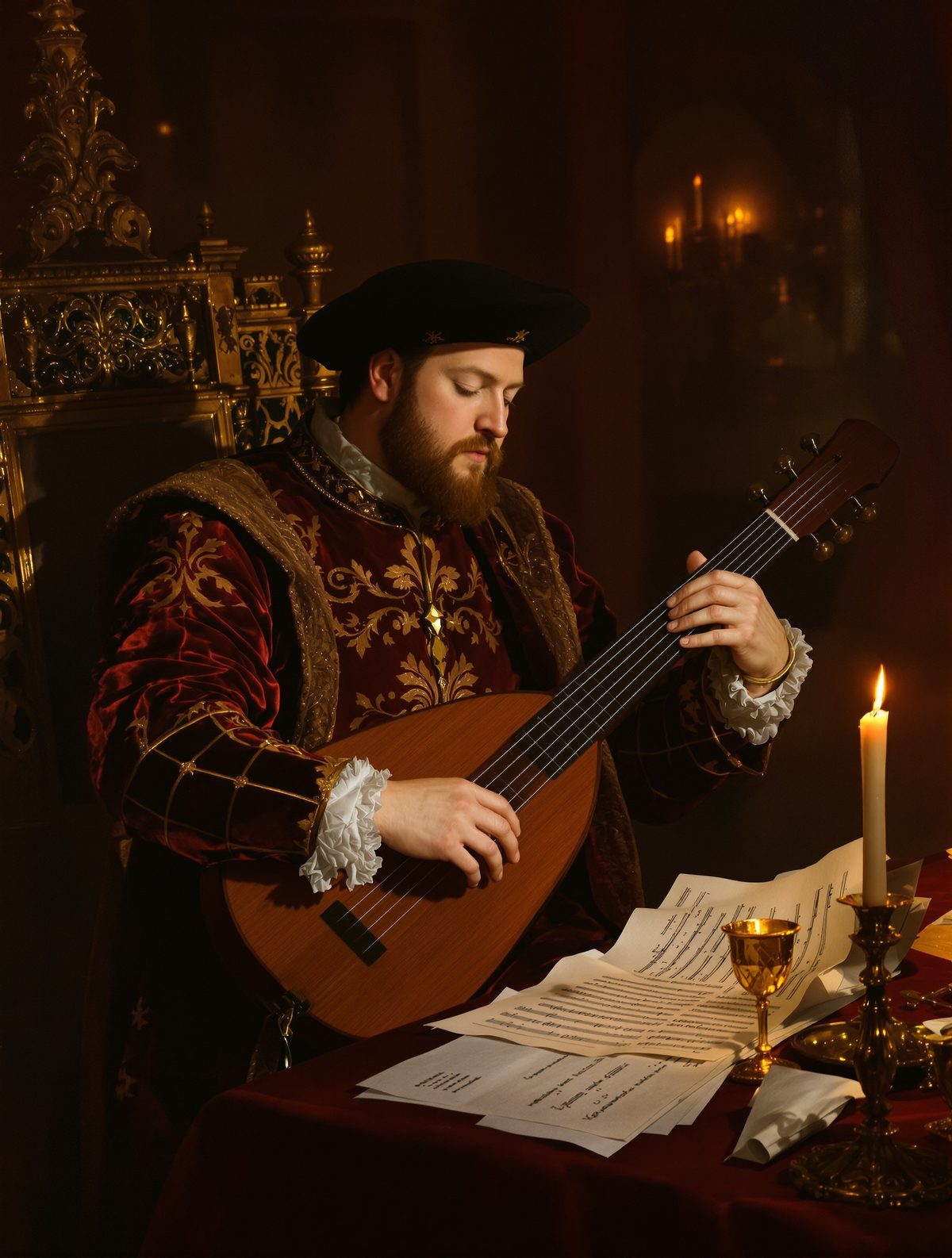
In the flickering candlelight of Greenwich Palace, a king sat alone with his lute, wrestling with emotions far more complex than any treaty or battle strategy. The year was 1527, and Henry VIII—the imposing monarch who would reshape England's religious landscape—found himself in the most vulnerable position imaginable: utterly enchanted by a woman who refused to become his mistress. As his fingers moved across the strings, Henry composed a melody that would survive five centuries, a tender testament to a love that would ultimately transform a nation.
The Reluctant Muse Who Captivated a King
Anne Boleyn was unlike any woman who had previously caught the royal eye. Where Henry's earlier paramours had been compliant and grateful for his attention, Anne possessed an intoxicating combination of wit, intelligence, and strategic restraint. Having spent her formative years at the sophisticated courts of the Netherlands and France, she returned to England in the early 1520s with continental polish and an acute understanding of courtly intrigue.
What made Anne truly extraordinary was her refusal to follow the well-worn path of royal mistresses before her. When Henry's interest became apparent around 1526, she declined the position that her own sister Mary had once occupied. Instead, Anne made it clear that she would accept nothing less than marriage—a demand that seemed impossible given Henry's existing union to Catherine of Aragon.
This rejection only intensified Henry's ardour. The king who commanded armies and governed a kingdom found himself powerless against one woman's resolute dignity. It was in this state of romantic frustration and genuine admiration that Henry turned to music, one of his greatest personal passions, to express what words alone could not convey.
A King's Musical Heart
Music was not merely a diversion for Henry VIII—it was a fundamental part of his identity. The young monarch was an accomplished composer, skilled performer, and enthusiastic patron of the arts. His court rang with the sounds of lutes, virginals, and voices raised in complex polyphony. Henry himself played multiple instruments with considerable skill and composed both sacred and secular works throughout his life.
The song he created for Anne, known today as "Helas Madame" or sometimes referenced in historical documents as relating to his courtship compositions, represents a remarkable fusion of royal power and human vulnerability. Unlike his more public musical works, which often celebrated military victories or royal occasions, this piece was intensely personal—a private conversation between a man and his beloved, set to music.
The melody itself reflects the sophisticated musical education Henry received in his youth. Composed in the style of French chansons that Anne would have known from her time at the French court, it demonstrates Henry's thoughtfulness in creating something that would speak to her cultural sensibilities. The tune moves between longing and hope, its phrases rising and falling like the emotional tides of early courtship.
Love Letters in Music and Words
Henry's musical declaration of love was part of a broader campaign to win Anne's heart that included seventeen surviving love letters—some of the most intimate royal correspondence ever preserved. These letters reveal a Henry rarely seen in historical accounts: uncertain, pleading, and utterly besotted. He signed himself "H. seeks AB no other R" (Henry seeks Anne Boleyn no other Rex), and wrote of his devotion with touching sincerity.
The song likely accompanied this written courtship, performed perhaps during private moments in the royal apartments or intimate gatherings where music provided a socially acceptable framework for emotional expression. In an era where royal courtship was typically conducted through formal protocols and diplomatic considerations, Henry's musical composition represented something revolutionary: a king wooing a subject through genuine artistic expression.
Contemporary accounts suggest that Henry would perform for Anne personally, his considerable skills as a musician deployed in service of his heart rather than his crown. These musical interludes provided precious opportunities for private conversation and emotional connection within the highly regulated environment of Tudor court life.
The Melody That Outlived the Marriage
Today, nearly five hundred years after Henry first played his love song for Anne Boleyn, the melody survives in various musical collections and can still be performed by musicians willing to explore Tudor-era composition. Several recordings exist, offering modern listeners the extraordinary opportunity to hear the same notes that once expressed a king's devotion to the woman who would become his second queen.
The preservation of this musical love letter provides a unique window into the private emotional world of one of history's most famous monarchs. While we know Henry VIII primarily through the dramatic events of his reign—the break with Rome, the establishment of the Church of England, the fate of his six wives—this simple melody reminds us of the human being beneath the crown.
Musical historians have traced the song's journey through the centuries, noting its appearances in various manuscript collections and its influence on later Tudor composers. The fact that courtiers and musicians thought it worthy of preservation speaks to both its musical quality and its historical significance as a document of royal romance.
The Enduring Power of Royal Romance
When modern listeners hear Henry's love song for Anne Boleyn, they encounter something remarkably timeless: the sound of someone utterly transformed by love. The same emotions that drove Henry to compose this tender melody continue to resonate today, bridging the centuries between a Tudor palace and our contemporary world.
The tragedy, of course, is knowing how their story ended. The passionate love that inspired this beautiful composition would ultimately lead to religious revolution, political upheaval, and Anne's execution on charges that most historians now believe were fabricated. Yet the song remains untainted by these later sorrows, preserved forever in that moment when love felt infinite and full of possibility.
This musical time capsule offers us something precious: the chance to witness the British monarchy's most infamous king at his most human. Before the politics and the palace intrigue, before the religious reformation and the royal executions, there was simply a man with a lute, composing a love song for a woman who had captured his heart completely. In preserving and continuing to perform this melody, we keep alive not just a piece of music, but a testament to love's power to inspire art that transcends even the most turbulent chapters of royal history.