In the gaslit corridors of Windsor Castle and Buckingham Palace, Victorian servants witnessed many extraordinary sights during their decades of royal service. Yet nothing prepared them for the discovery they would make in Queen Victoria's private chambers—a nightly ritual so touching and devoted that it would redefine their understanding of royal grief and enduring love.
A Love Story Cut Tragically Short
To understand the profound ritual that would define Queen Victoria's later years, one must first appreciate the extraordinary partnership she shared with Prince Albert of Saxe-Coburg and Gotha. Their marriage in 1840 had blossomed from initial attraction into a deep intellectual and emotional bond that transformed both the monarchy and the woman who wore the crown.
Albert was far more than Victoria's consort—he was her closest advisor, her moral compass, and the anchor of her emotional world. Together, they had nine children and reimagined the British monarchy's role in an rapidly changing world. Albert's influence extended from palace reforms to the Great Exhibition of 1851, and Victoria relied on his wisdom for everything from state papers to family decisions.
When typhoid fever claimed Albert's life on 14 December 1861, at just 42 years old, Victoria's world shattered completely. The Queen who had ruled an empire with confidence suddenly found herself lost in grief so profound that it would reshape her reign and define her as the eternal "Widow of Windsor."
The Discovery That Revealed a Queen's Heart
Palace staff had grown accustomed to Victoria's eccentric mourning practices in the months following Albert's death. His rooms at Windsor Castle remained exactly as he had left them, with fresh clothes laid out daily and hot water brought for his morning shave. What they didn't initially realize was the extent of the Queen's private devotions.
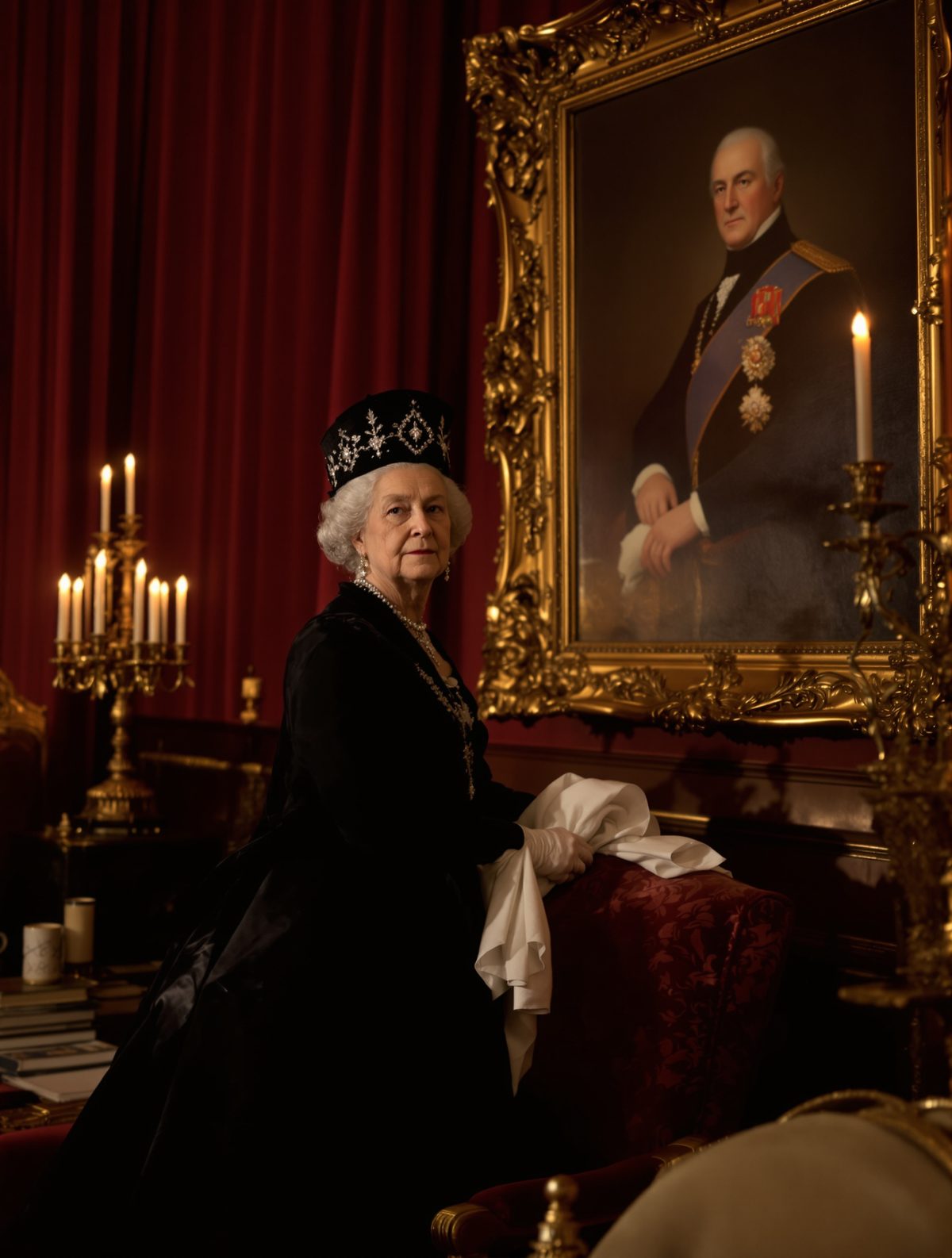
It was a young chambermaid who first noticed the peculiar pattern during her early morning duties. In Victoria's private sitting room, beside the prominent portrait of Prince Albert that dominated the space, there would always be a glass of fresh water and carefully arranged clothes—items that were clearly meant for the late Prince Consort.
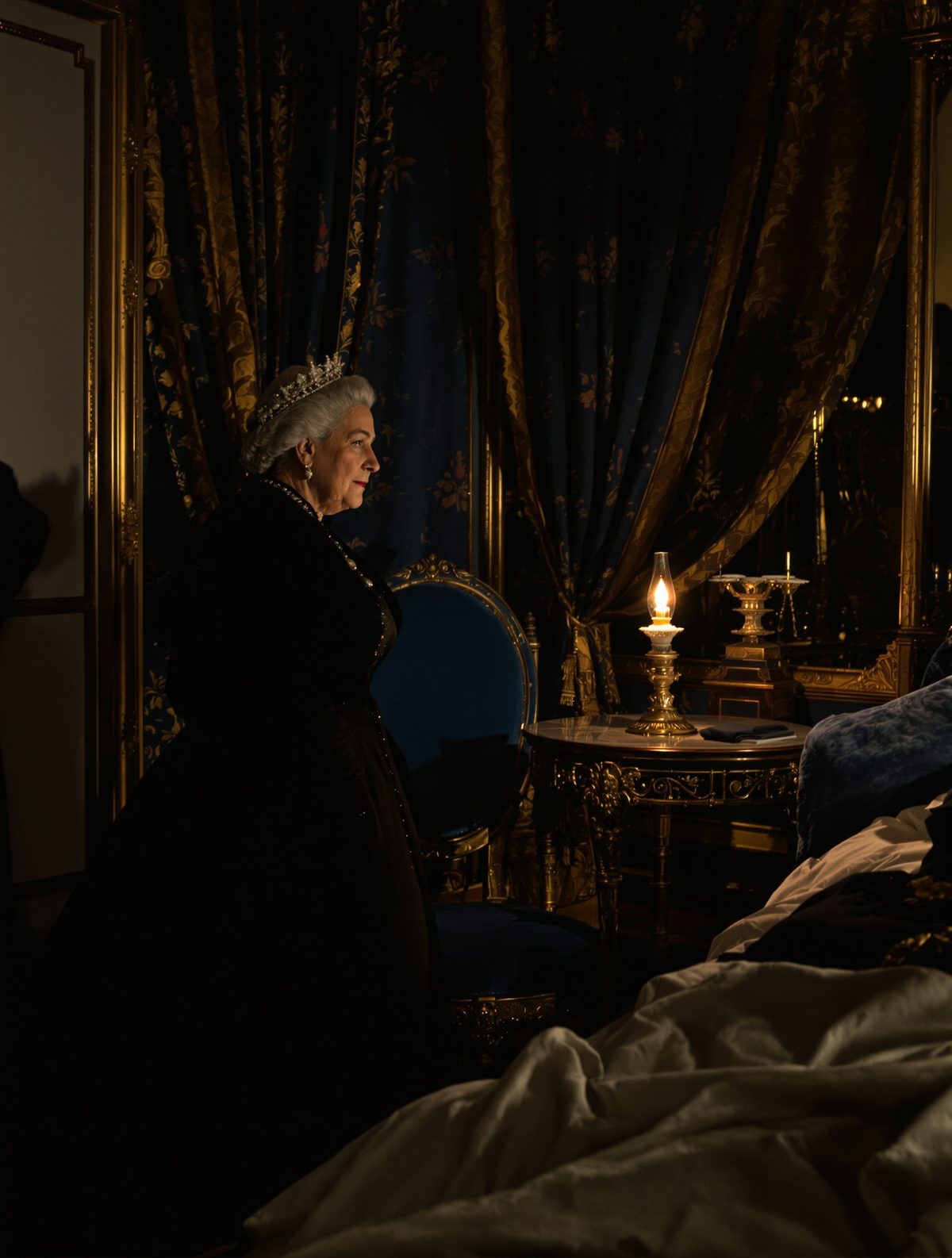
Night after night, these items appeared with clockwork regularity. The water was always fresh, never touched, and the clothes were laid out with the same meticulous care that Albert's personal valet had once provided. When staff members discreetly investigated further, they discovered the profound truth: Queen Victoria herself was performing these tender rituals every single evening.
More remarkable still were the reports from servants who worked in the adjoining rooms. Through the thin palace walls, they could hear the Queen's voice in quiet conversation—speaking to Albert's portrait as if he were truly present, sharing the day's events, seeking his counsel, and maintaining the intimate dialogue that had sustained their marriage for twenty-one years.
Forty Years of Unwavering Devotion
What began as an expression of fresh grief evolved into a sacred ritual that would continue for four decades. Every evening, without fail, Victoria would make her pilgrimage to Albert's portrait. Palace records and servant testimonies reveal the extraordinary consistency of this practice, which continued through changes of residence, seasonal moves between palaces, and even during the Queen's travels.
The ritual became so integral to Victoria's routine that palace staff learned to accommodate it seamlessly. Fresh clothing would be quietly prepared and left in designated locations. Clean water would be provided without question. The servants, initially puzzled by these requests, came to understand and respect the profound significance of what they were witnessing.
Victoria's devotion extended beyond the evening ritual. She commissioned countless monuments and memorials to Albert, wore mourning dress for the remainder of her life, and made major decisions based on what she believed Albert would have advised. Yet it was this private, nightly communion that most powerfully demonstrated the enduring strength of their bond.
The Queen's private correspondence, much of which has survived, reveals glimpses of her mindset during this period. She frequently wrote of feeling Albert's presence, of seeking his guidance, and of maintaining their connection across the divide of death. To Victoria, the evening ritual wasn't merely symbolic—it was a genuine continuation of their partnership.
A Palace Staff's Silent Understanding
Perhaps most touching was how the palace household came to cherish and protect Victoria's ritual. Senior staff members ensured that newer servants understood the importance of these arrangements without requiring detailed explanations. The Queen's evening visits to Albert's portrait became an accepted part of palace life, treated with the same respect accorded to any other royal tradition.
Former royal servants who later wrote memoirs consistently spoke of this period with remarkable sensitivity. They understood that they were witnessing something extraordinary—not merely royal eccentricity, but a profound expression of love that transcended death itself. Many noted how the ritual seemed to bring Victoria comfort and strength, helping her navigate the challenges of ruling alone.
The practical logistics of maintaining this ritual across multiple royal residences required careful coordination. Whether at Windsor Castle, Buckingham Palace, or Balmoral, staff ensured that Albert's portraits were properly positioned and that Victoria could continue her evening devotions without interruption. This seamless accommodation speaks to both the efficiency of the royal household and their deep respect for their sovereign's grief.
The Human Heart Beneath the Crown
Victoria's midnight vigils reveal something profound about the woman beneath the imperial crown. Here was the monarch who ruled over a quarter of the world's population, yet who found her greatest solace in quiet conversations with her deceased husband's portrait. The ritual strips away the formality of monarchy to reveal a fundamentally human story of enduring love and inconsolable loss.
This devoted practice continued until Victoria's own death in 1901, representing one of the longest sustained expressions of marital devotion in royal history. Even as she aged and her mobility decreased, Victoria maintained her evening visits to Albert, demonstrating a constancy that defined her character both as queen and as a woman.
In our modern age of rapid change and fleeting connections, Queen Victoria's forty-year ritual speaks to something timeless in the human experience. Her devotion reminds us that the deepest loves create bonds that transcend physical presence, and that grief, when transformed into remembrance, can become a form of enduring companionship. The Queen who gave her name to an era also gave us one of history's most moving examples of love's persistence beyond death—a legacy as powerful as any constitutional reform or territorial expansion achieved during her remarkable reign.