The muddy silk slippers were discovered first, abandoned carelessly by the kitchen door at Harewood House. Then came the dirt-caked nightgown, hastily discarded in a laundry basket. The household staff exchanged worried glances—their new mistress, Princess Mary, the only daughter of King George V, was clearly struggling with something far more complex than the usual adjustment to married life.
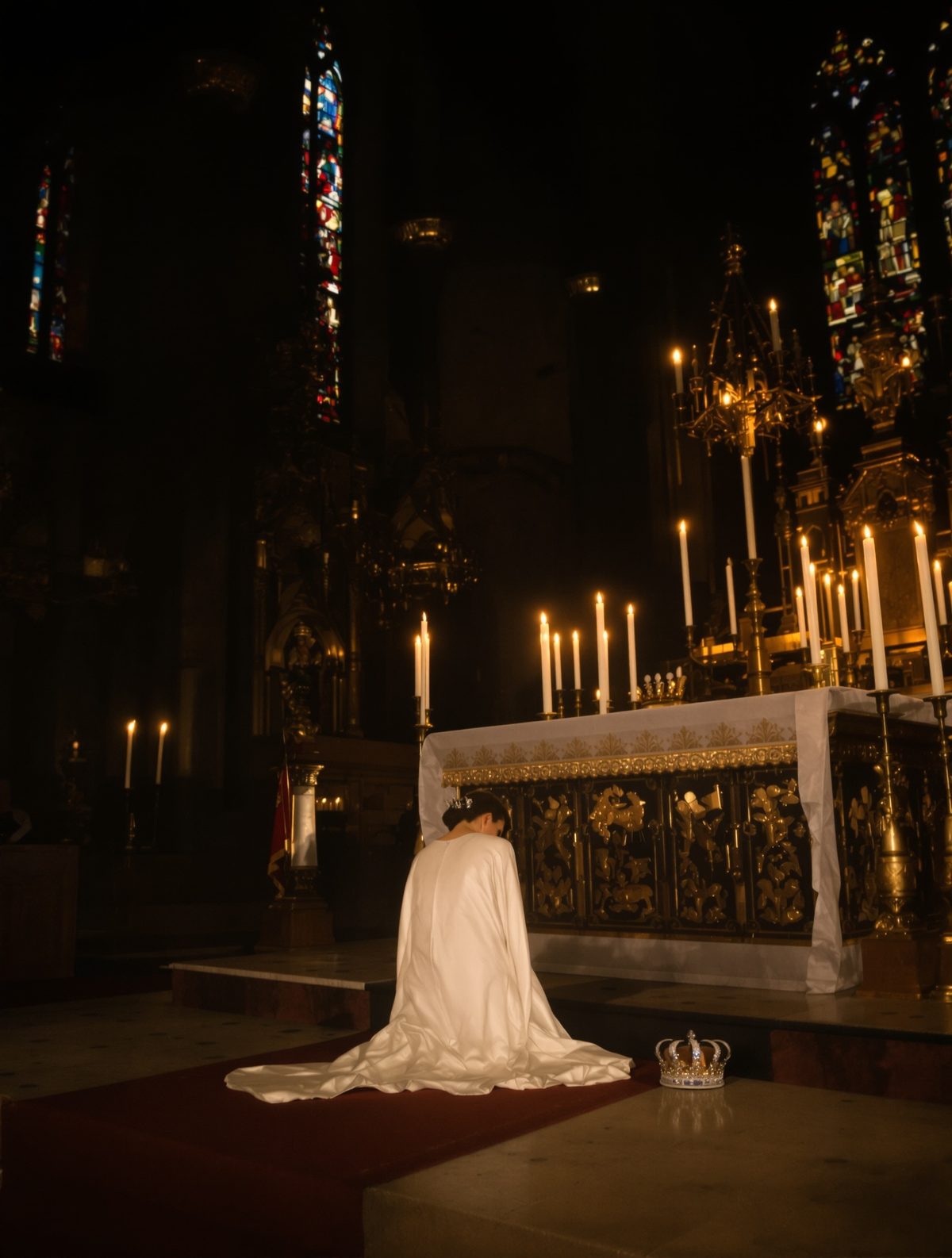
It was the summer of 1922, and Princess Mary had just become the Viscountess Lascelles following her February wedding to Viscount Lascelles. The ceremony at Westminster Abbey had been hailed as the social event of the decade, a glittering spectacle that helped restore some much-needed glamour to the monarchy after the upheaval of the Great War. But behind the fairy-tale facade, the 25-year-old princess was grappling with demons that no amount of royal protocol could silence.
The Weight of Expectation
Princess Mary had always been different from her brothers. While they carved out military careers and navigated their own romantic scandals, she had remained the dutiful daughter, the reliable constant in King George V's increasingly turbulent reign. Her marriage to Henry Lascelles, 6th Earl of Harewood, had been seen as a perfect match—he was wealthy, titled, and fifteen years her senior, offering the stability the monarchy craved.
Yet those closest to Mary noticed the strain. Court observers whispered about her increasingly hollow cheeks and the dark circles under her eyes that no amount of powder could conceal. The transition from beloved princess to country viscountess was proving more challenging than anyone had anticipated. The move from the familiar corridors of Buckingham Palace to the grand but isolated Yorkshire estate of Harewood House had left Mary feeling untethered from everything she had known.
The wedding itself had been surrounded by controversy that still haunted Mary months later. Critics had questioned the significant age gap between the couple, and there had been uncomfortable speculation about whether this was truly a love match or a calculated dynastic alliance. The press had been merciless, dissecting every aspect of the relationship and wondering aloud whether the princess was truly happy.
Midnight Sanctuary
It began innocuously enough. Unable to sleep, Mary would wander the vast halls of Harewood House, her silk slippers whispering against the ancient floors. The house, with its Chippendale furniture and Reynolds portraits, felt more like a museum than a home. But it was during one of these restless nights that she discovered the kitchen garden—a practical, unpretentious space that stood in stark contrast to the formal parterre gardens that surrounded the main house.
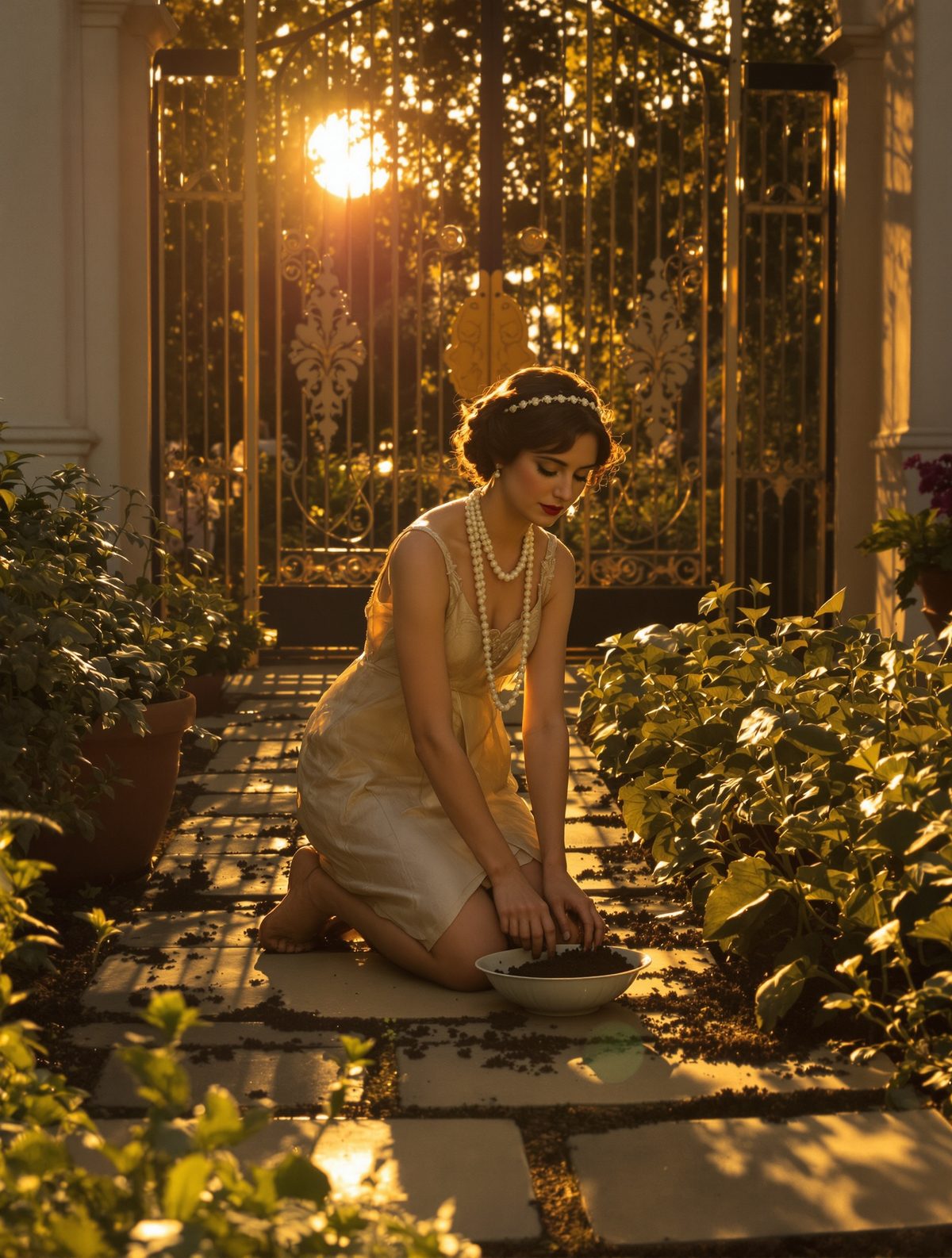
The gardeners at Harewood would arrive each morning to find evidence of their mysterious nocturnal visitor. Freshly turned soil bore the imprint of small, elegant hands. Seedlings had been carefully transplanted, often with a precision that spoke of genuine knowledge rather than idle dabbling. Most tellingly, there were the footprints—distinctly feminine and far too small to belong to any of the household staff—pressed into the earth between the rows of vegetables.
The ritual became Mary's lifeline. Every night around 2 AM, she would slip from her bedroom, past the sleeping servants' quarters, and into the garden. There, surrounded by the honest smell of earth and growing things, she found a peace that eluded her in the grand reception rooms where she was expected to play the perfect hostess.
Her gardening attire was decidedly unconventional for a member of the royal family. Refusing to change into more practical clothes—perhaps fearing discovery if she took the time—Mary would work in whatever she happened to be wearing. More often than not, this meant her finest silk nightgowns, which would become progressively more stained with each nocturnal expedition. The sight of muddy handprints on Italian silk became a familiar one for her long-suffering lady's maid.
The Healing Power of Soil
What Mary found in that kitchen garden went far beyond simple horticultural interest. In an era when royal women were expected to be ornamental rather than useful, the act of growing food represented a radical form of rebellion. Here was work that produced tangible results—tender lettuce shoots, robust potato plants, fragrant herbs that would eventually grace the Harewood dining table.
The physical labor itself proved therapeutic. Years of royal protocol had taught Mary to hold herself with rigid perfection, to never display emotion publicly, to subordinate her own needs to the demands of duty. But in the garden, she could be ungraceful. She could kneel in the dirt, could grunt with effort as she dug, could feel the satisfying ache of muscles used for genuine purpose rather than mere ceremonial waving.
The gardening staff, once they pieced together the identity of their mysterious helper, proved remarkably discreet. Rather than reporting the princess's unusual behavior to the household management, they began leaving subtle assists—tools placed strategically where she might find them, seeds for particularly hardy varieties that would thrive despite amateur planting techniques. This quiet conspiracy of understanding became one of the few genuine connections Mary experienced in her new life.
As the months passed, Mary's nocturnal gardening sessions began to work their magic. The hollow look around her eyes softened, and staff noted that she seemed more grounded during her official duties. The garden became not just an escape, but a bridge back to engagement with her role as mistress of Harewood House.
A Royal Tradition Takes Root
By the spring of 1923, Mary's secret was becoming an open one within the household. Rather than continuing to creep out in the dead of night, she began to visit the kitchen garden in the early morning hours, properly dressed but still reveling in the solitude. The transformation from desperate nighttime escape to purposeful morning ritual marked a significant shift in her psychological state.
Mary's newfound passion for practical gardening would eventually become one of her defining characteristics. She championed agricultural initiatives throughout Yorkshire, understanding farming challenges in a way that surprised and impressed local communities. Her hands-on approach to horticulture, so unusual for a royal of her generation, became a source of genuine connection with her new constituency.
The kitchen garden at Harewood flourished under her attention, becoming famous for producing exceptional vegetables that were served not only at family meals but at grand entertaining events. Visiting dignitaries would often comment on the quality of the produce, never suspecting that the viscountess had likely planted their dinner vegetables herself, probably while wearing several hundred pounds worth of silk.
Princess Mary's midnight gardening reveals something profound about the human cost of royal duty and the creative ways people find to reclaim their sense of self. In an era when mental health was barely understood and royal women were expected to suffer in silence, Mary's instinctive turn to the earth represents a remarkably modern understanding of therapeutic healing. Her story reminds us that even those born to extraordinary privilege must sometimes dig in the dirt—literally and figuratively—to find their way back to themselves. Today's royals, with their openness about mental health struggles and the healing power of nature, are perhaps following a path that Princess Mary quietly pioneered in a Yorkshire kitchen garden nearly a century ago.