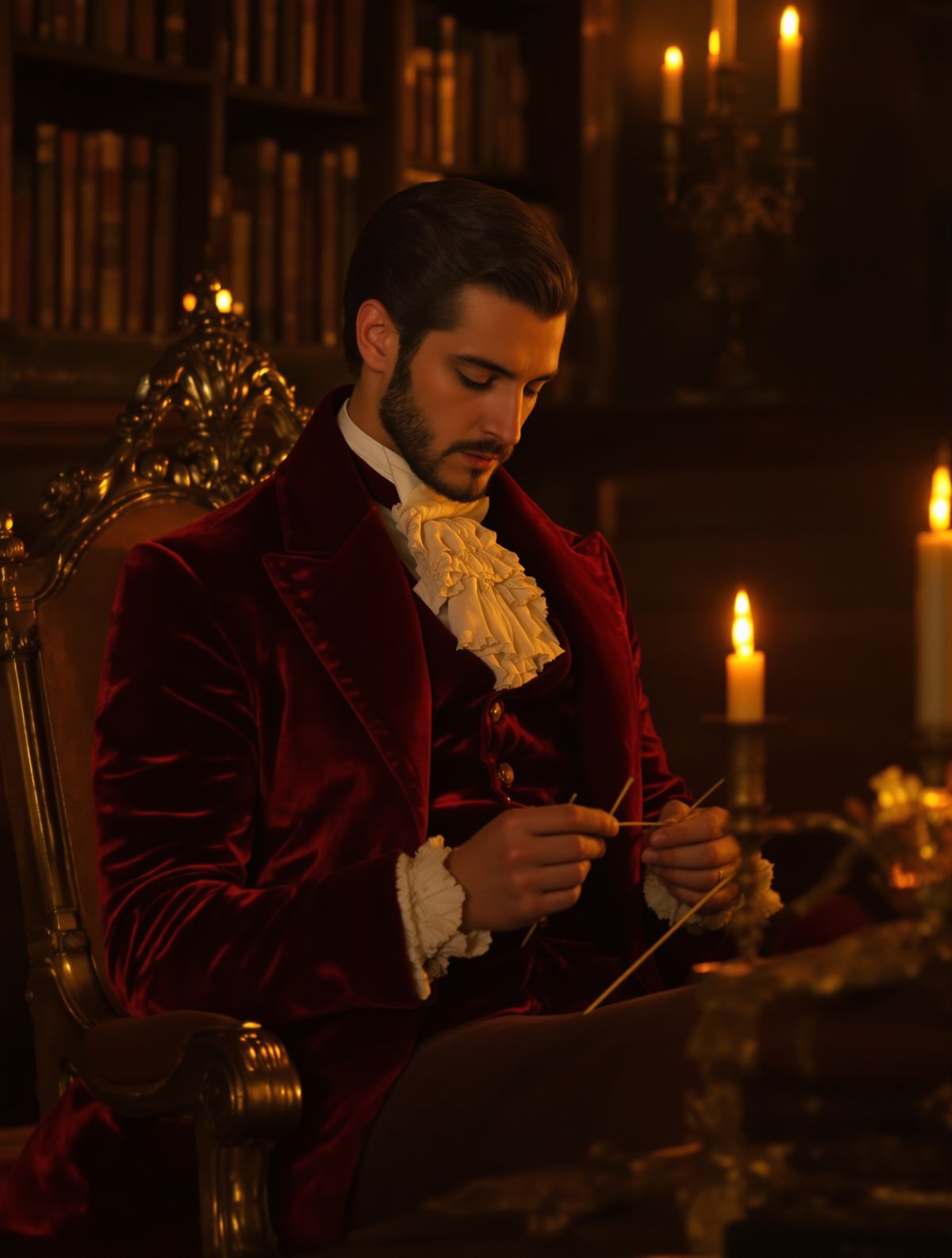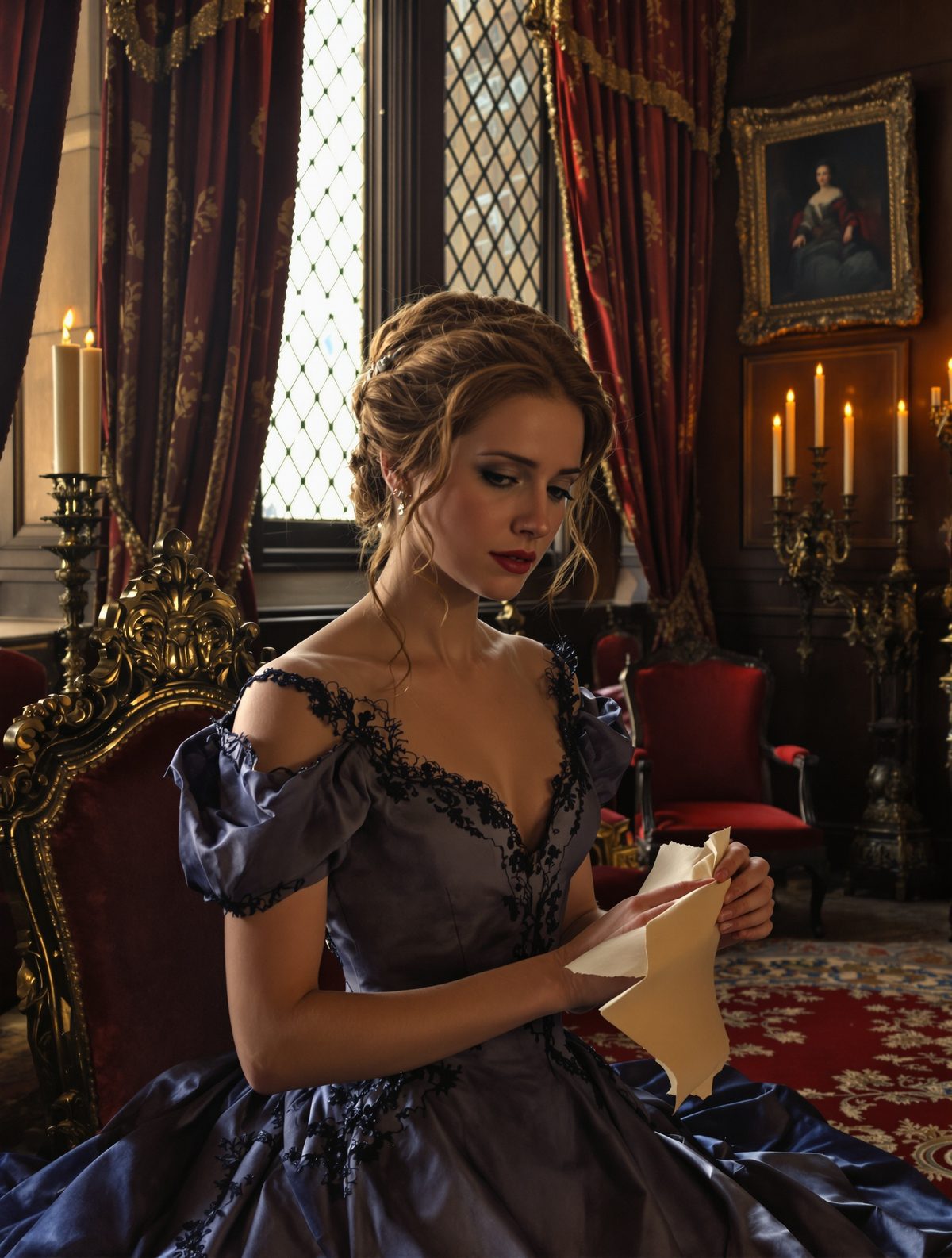
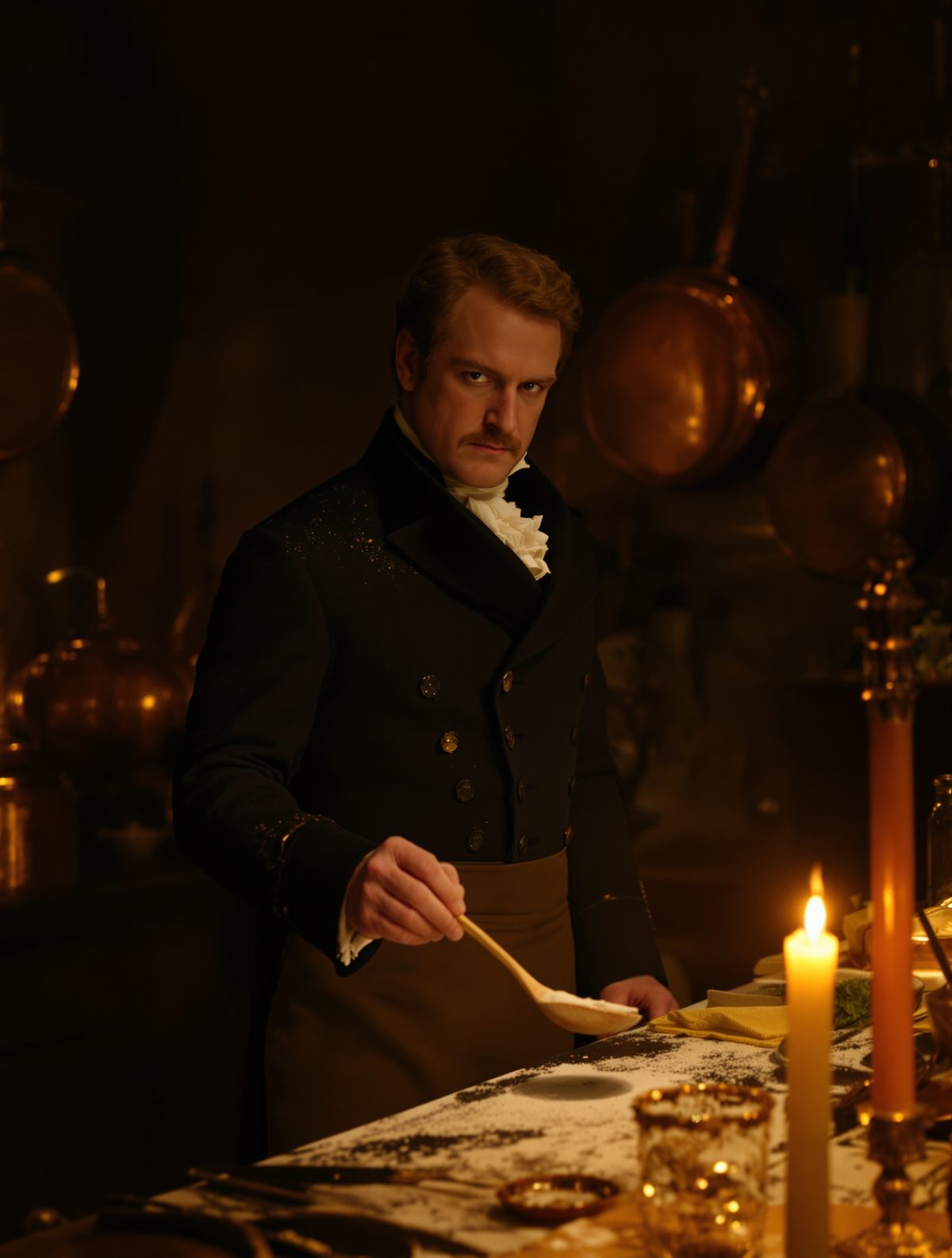
The grandfather clock in Windsor Castle's great hall struck midnight, its resonant chimes echoing through corridors lined with portraits of monarchs past. While courtiers slumbered and guards maintained their silent vigils, a solitary figure in a simple nightgown and robe descended the servants' staircase. It wasn't a restless servant or wayward guest—it was His Royal Highness Prince Albert, the Queen's beloved consort, embarking on what would become one of the most endearing secret traditions of the early Victorian court.
What drove the methodical, earnest German prince to steal away to the palace kitchens in the dead of night wasn't hunger for food, but hunger for connection. Albert had married his beloved Victoria just four years earlier in 1840, yet he still felt the weight of being an outsider in his adopted homeland. His solution was as practical as it was romantic: if he couldn't change his German heritage, he could at least master the culinary traditions of England—and surprise his wife with the fruits of his nocturnal labor.
A Prince Among Pots and Pans
The royal kitchens of the 1840s were a world unto themselves—vast chambers with soaring ceilings blackened by decades of cooking fires, massive oak tables scarred by countless meal preparations, and an array of copper pots that gleamed like burnished gold in the flickering candlelight. These were the domain of the palace's army of cooks, scullery maids, and kitchen staff, not the sanctuary of princes.
Yet Prince Albert found solace in this utilitarian space. Court records and servant memoirs from the period suggest that Albert's insomnia, likely brought on by the pressures of his new role and his perfectionist nature, led him to seek productive outlets for his restless energy. The kitchens offered both privacy and purpose—a place where he could experiment without the watchful eyes of courtiers or the rigid protocols that governed every other aspect of royal life.
Albert's methodical German approach served him well in his culinary education. He didn't simply tinker with ingredients; he studied cooking with the same systematic precision he brought to his official duties. The Royal Archives contain evidence of his requests for English cookbooks, and palace records show unusual late-night activity in the kitchens during this period, with extra supplies of eggs, flour, and bacon mysteriously disappearing from the larders.
Mastering the Art of English Breakfast
Albert's culinary ambitions weren't grandiose. He wasn't attempting elaborate French cuisine or exotic continental dishes. Instead, he focused on perfecting the most quintessentially English of meals: breakfast. This choice was both strategic and symbolic. Breakfast was an intimate meal, often taken privately in the royal apartments, making it the perfect canvas for his romantic gesture.
The traditional English breakfast of the 1840s was a hearty affair—quite different from the lighter German breakfasts of Albert's youth. Contemporary accounts describe his determination to master the perfect rashers of bacon, the ideal consistency for porridge, and the delicate timing required for soft-boiled eggs. He reportedly spent hours learning to prepare kedgeree, a popular breakfast dish of the era combining rice, fish, and eggs that reflected Britain's expanding imperial tastes.
Kitchen staff, initially shocked to discover their prince wielding a spatula in their domain, soon became co-conspirators in his midnight mission. While maintaining discretion about Albert's activities, some servants later recalled his earnest questions about cooking temperatures and his meticulous notes about timing and technique. His genuine respect for their expertise and his willingness to learn from them created an unusual but touching bond between the royal household's most exalted member and its hardest-working staff.
Victoria's Sweet Surprise
The moment Albert had been secretly preparing for finally arrived on an ordinary Tuesday morning in the spring of 1844. Queen Victoria, accustomed to being awakened by her ladies-in-waiting with news of the day's schedule, instead found her husband at her bedside carrying a laden breakfast tray. The sight must have been extraordinary: the Prince Consort, usually impeccably formal even in private moments, proudly presenting his wife with perfectly prepared eggs, golden toast, fragrant tea, and his piece de résistance—kedgeree prepared exactly to her taste.
Victoria's reaction, recorded in her detailed personal diaries, was one of complete astonishment followed by overwhelming delight. She wrote of her amazement at Albert's culinary skills and her deep emotional response to the gesture itself. The Queen, who was often portrayed as stern and formal, revealed her softer side in her private writings about these breakfast surprises, describing them as among her most treasured moments with her beloved husband.
What began as a single romantic gesture evolved into a cherished tradition. Albert continued his midnight cooking sessions, though perhaps not as frequently, preparing special breakfast surprises for significant occasions—their wedding anniversary, Victoria's birthday, and other meaningful dates in their shared calendar. The breakfast tray became Albert's signature expression of devotion, a private ritual that existed entirely separate from the public spectacle of royal life.
A Legacy of Love in the Kitchen
Albert's culinary adventures reveal something profound about the nature of love within the constraints of royal duty. In an era when royal marriages were still largely matters of state rather than heart, Albert and Victoria's relationship stood out for its genuine affection and mutual devotion. The prince's willingness to venture into the servants' quarters, to humble himself before kitchen staff, and to master skills far beneath his station spoke to the depth of his commitment to making Victoria happy.
These midnight cooking lessons also illuminate Albert's broader struggle to find his place in British society. As a German prince in an era of growing British nationalism, Albert faced constant scrutiny and occasional hostility from both the public and the court. His determination to master English cuisine can be seen as part of his larger project of integration—a loving attempt to become more thoroughly British, not just in title but in cultural understanding.
The tradition reportedly continued until Albert's untimely death in 1861, making those breakfast trays even more poignant in retrospect. Victoria's devastating grief following her husband's passing was well-documented, but knowing about these private moments of joy makes her loss seem even more profound. The breakfast tray, once a symbol of love and surprise, became a painful reminder of intimacy lost.
Today, as we observe modern royals attempting to balance public duty with personal authenticity, Albert's midnight kitchen adventures feel remarkably contemporary. His willingness to step outside royal protocols for love, to learn from those he might have been expected to command, and to find meaning in simple domestic gestures offers a template for royal humanity that resonates across centuries. In our age of celebrity chefs and cooking shows, there's something deeply appealing about a prince who found fulfillment not in grand gestures of state, but in the humble act of preparing breakfast for the woman he loved.