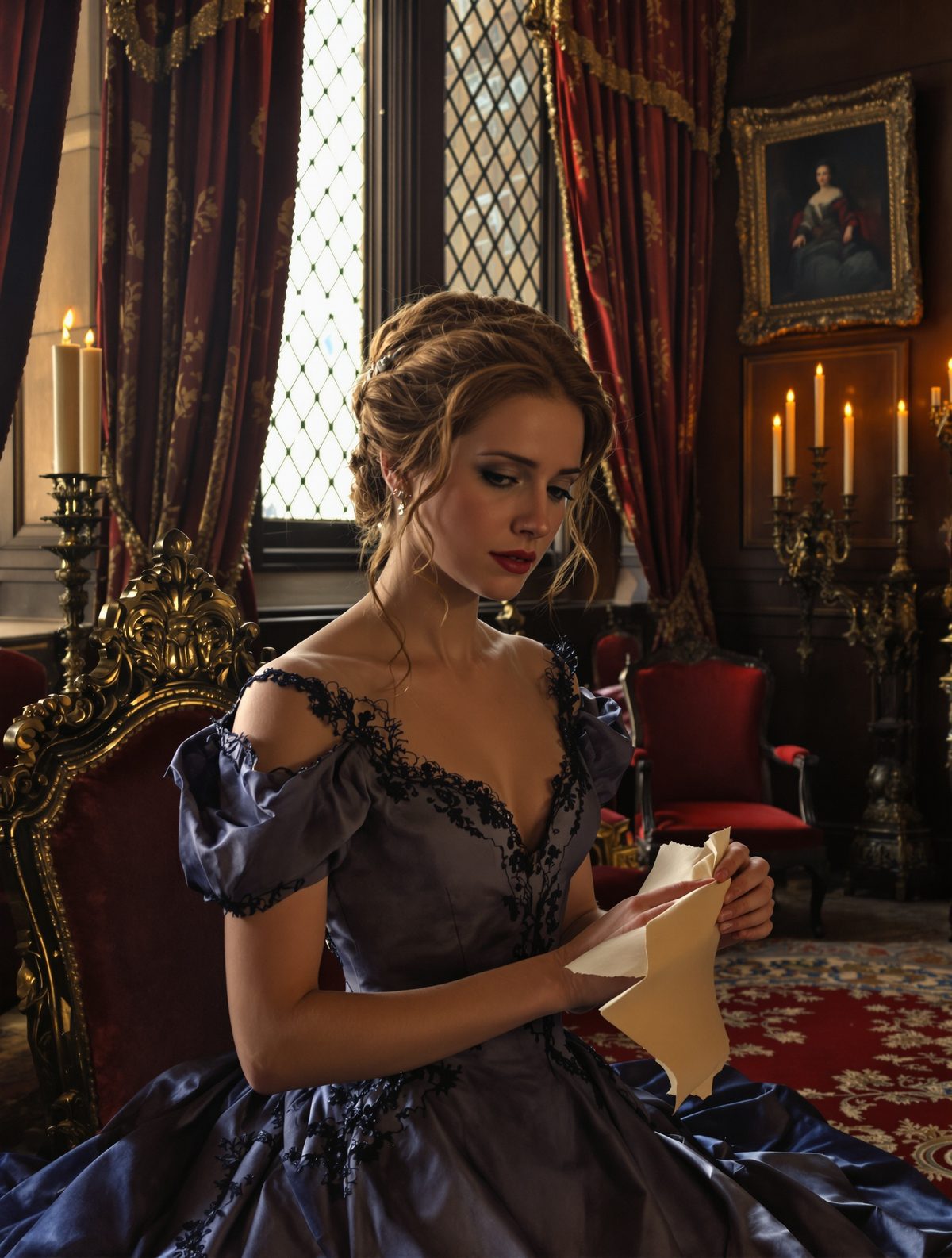
In the flickering candlelight of her apartments at Buckingham Palace, Princess Louise sat alone, her silk handkerchief damp with tears that seemed to flow as endlessly as the Thames below her window. It was February 1871, and the Queen's fourth daughter faced an impossible choice: bow to her mother's iron will or risk everything for a love that defied every tradition the monarchy held sacred. What transpired in those midnight hours would not only reshape Louise's destiny but crack open the rigid walls of royal matrimony that had stood for centuries.
A Mother's Unyielding Crown
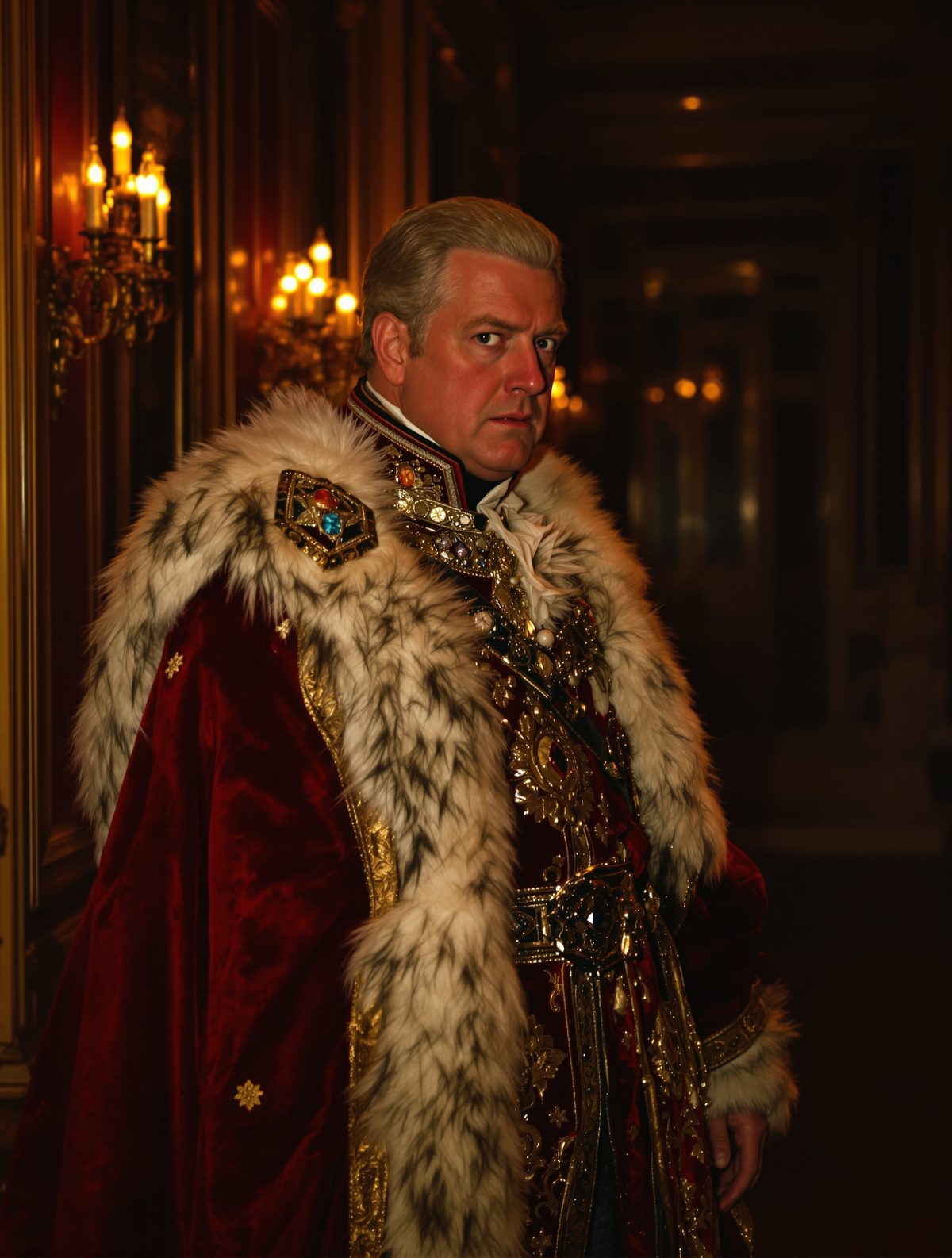
Queen Victoria's grip on her children's romantic lives was legendary, and by 1871, she had orchestrated marriages across European courts with the precision of a military strategist. Her daughters were her daughters first, princesses second, and individual women with hearts and desires a distant third. The Queen Mother, draped perpetually in mourning black since Prince Albert's death a decade earlier, viewed love matches with deep suspicion unless they served the Crown's interests.
Princess Louise, however, had always been different. At twenty-three, she possessed an artistic temperament that her siblings lacked, spending hours in her private studio creating sculptures that would later earn genuine critical acclaim. Her independence of spirit had been evident since childhood, when she would slip away from her governesses to explore the palace corridors and pepper the servants with questions about their lives beyond the royal household.
The source of Louise's midnight anguish was her deep affection for John Campbell, the Marquess of Lorne, heir to the Duke of Argyll. While Campbell was undoubtedly noble—his family's Scottish lineage stretched back centuries—he was also undeniably British. And therein lay the problem that had reduced a princess to tears in her tower room.
Breaking the Sacred Pattern
Royal marriages in Victorian Britain followed an unwritten but inflexible code: marry within the extensive network of German royalty. This tradition ensured political alliances, maintained Protestant succession, and, perhaps most importantly to Victoria, honored the memory of her beloved German husband, Prince Albert. The Queen had already successfully married her eldest daughter Vicky to the Crown Prince of Prussia, while Princess Alice had wed the Grand Duke of Hesse.
Louise's desire to marry a British subject—even one of noble birth—represented a seismic shift that Victoria initially refused to contemplate. The palace corridors buzzed with whispered conversations between the Queen and her private secretary, Sir Henry Ponsonby, who reportedly spent hours trying to present alternative German princes for Louise's consideration. Each suggestion was met with polite but firm refusal from the increasingly determined princess.
What made Louise's situation even more complex was the genuine nature of her attachment to Lorne. Court observers noted how her demeanor brightened whenever he attended palace functions, and how she would seek his opinions on her artistic endeavors. This wasn't merely a rebellious princess acting out—this was a young woman who had found intellectual and emotional companionship with a man who respected her talents and independence.
The Night That Changed Everything
That February evening in 1871, Louise had endured yet another tense audience with her mother, during which Victoria had presented what she termed her "final decision" against the match. The Queen's reasoning was both personal and political: marrying British nobility would set a dangerous precedent for her other children, and she feared it would diminish the monarchy's international prestige.
Alone in her chambers, surrounded by the portraits of ancestors who had all married for duty rather than desire, Louise faced her moment of truth. Palace records suggest she spent the early hours of the morning writing—perhaps letters to Lorne, perhaps journal entries we'll never see, or possibly even drafts of a letter to her mother that would prove impossible to ignore.
What we do know is that by dawn, Princess Louise had made her decision. She would not accept her mother's prohibition quietly. Instead, she chose to present Victoria with an ultimatum disguised as a heartfelt plea: she would marry Lorne, or she would remain unmarried forever. This wasn't the petulant threat of a spoiled princess—it was the calculated move of a young woman who understood both her own worth and her mother's deepest fears about spinster daughters.
Victoria's Unexpected Surrender
The Queen's reaction to her daughter's newfound resolve surprised everyone, perhaps including Louise herself. Rather than the explosive anger that palace staff had learned to recognize and fear, Victoria displayed something closer to grudging admiration. Perhaps she recognized in Louise's determination an echo of her own fierce will, or maybe she simply realized that her daughter's happiness might serve the monarchy better than another strategic European alliance.
The practical considerations also worked in Louise's favor. The Marquess of Lorne was Protestant, wealthy, and from a family with impeccable loyalty to the Crown. His father, the Duke of Argyll, had served in Victoria's government and was known for his progressive views on education and social reform—qualities that might actually enhance the royal family's reputation among British subjects who sometimes viewed them as too foreign.
By March 1871, the engagement was officially announced, though Victoria insisted on maintaining some control by dictating many of the wedding arrangements. The ceremony took place at St. George's Chapel, Windsor, in March 1871, making Louise the first daughter of a reigning British monarch to marry a British subject in over 300 years.
A Legacy Written in Love and Independence
Princess Louise's midnight tears and dawn courage accomplished something far greater than her own happiness, significant though that was. Her marriage to Lorne proved both successful and influential—they shared interests in the arts, politics, and social causes, and their partnership became a model for the kind of companionate marriage that would eventually become the royal norm rather than the exception.
The precedent Louise established in those emotional February days would echo through generations. When we see today's royals choosing partners for love—whether it's Catherine Middleton, Meghan Markle, or countless others—we're witnessing the fruits of one princess's decision to value her heart alongside her duty.
Louise's story reminds us that even within the golden cage of monarchy, individual courage can reshape centuries of tradition. Her willingness to risk everything for authentic love didn't just change her life—it helped transform the very nature of royal marriage, proving that sometimes the most revolutionary act a princess can perform is simply insisting on her right to choose her own happiness.