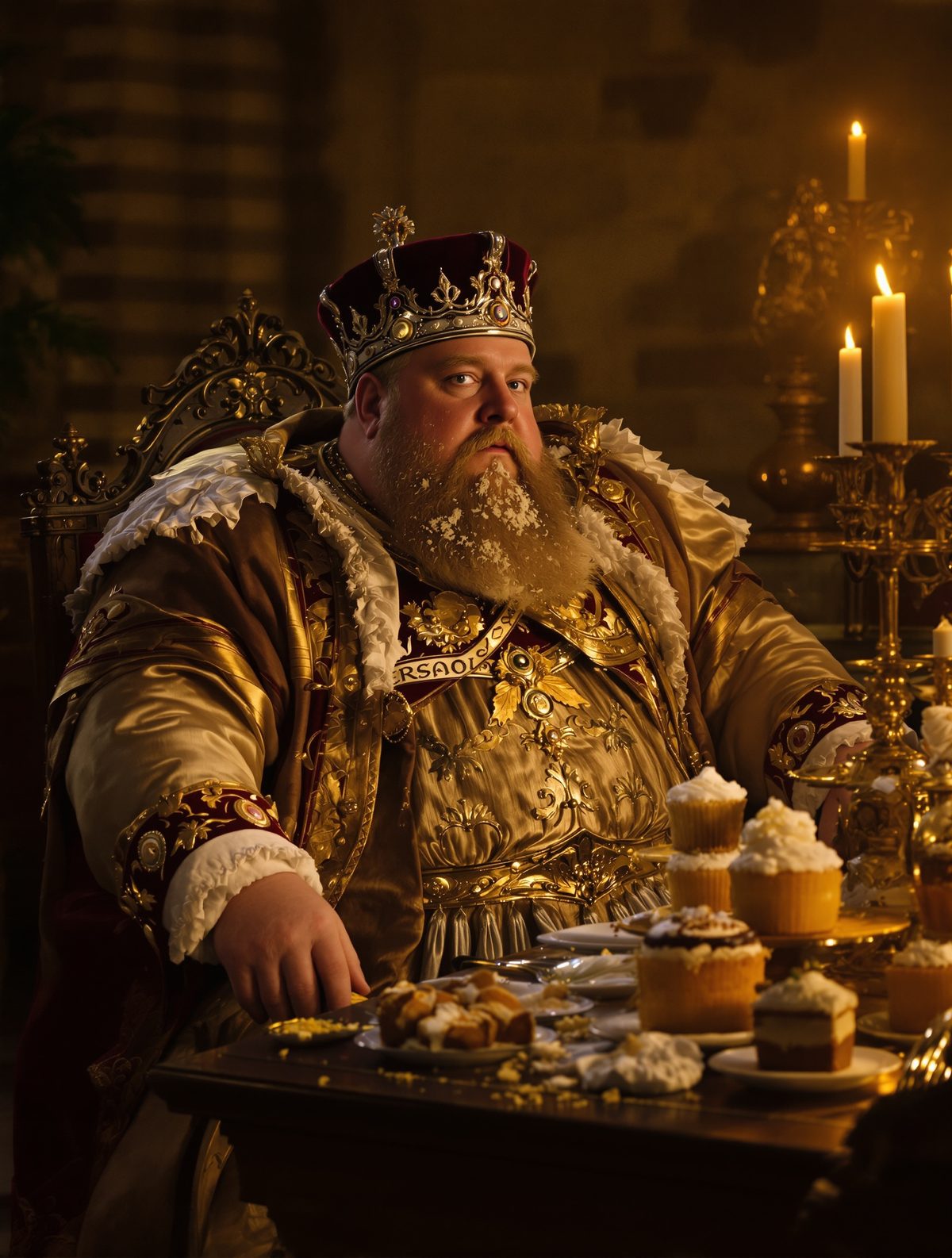
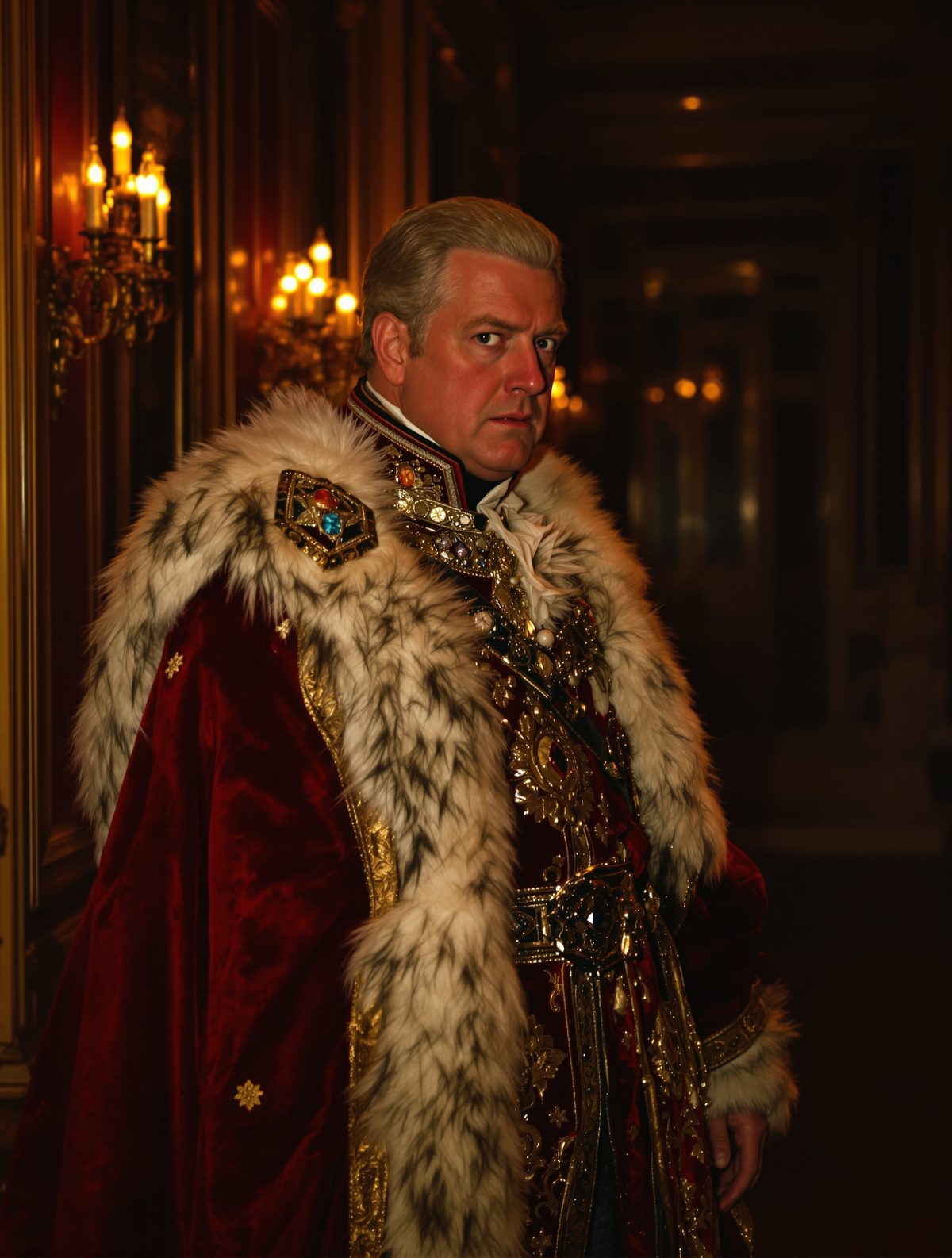
The moment had arrived for Britain's new king to receive his crown at Westminster Abbey. Thousands watched as William IV approached the altar in his magnificent robes, the weight of ceremony and centuries pressing down upon his shoulders. Then something unprecedented happened that left the entire congregation in stunned silence — the King of England simply vanished from his own coronation.
What followed was perhaps the most extraordinary royal scandal of the 19th century, as courtiers frantically searched Windsor Castle while guests sat bewildered in the abbey. The tale of William IV's coronation day disappearing act remains one of the most bizarre episodes in British royal history, revealing the very human fears behind the crown.
The Reluctant King's Rise to the Throne
William IV never expected to wear the crown. Born in 1765 as the third son of George III, he had spent his youth in the Royal Navy, earning the nickname "the Sailor King" through decades of naval service. While his elder brothers George IV and Frederick, Duke of York, were groomed for royal duties, William carved out a different life entirely.
His path to the throne was marked by personal tragedy and constitutional crisis. When his brother George IV died childless in June 1830, the crown passed unexpectedly to William at age 64. Unlike his flamboyant predecessor, William was known for his plain speaking, informal manner, and genuine discomfort with royal pomp. Court observers noted his tendency to walk unannounced through London streets, chatting with ordinary citizens — behavior that horrified royal protocol officials.
The new king's anxiety about formal ceremonies had been evident from his accession. Palace staff whispered about his nervous pacing before official functions and his habit of muttering complaints about "all this fuss and bother." Yet nothing could have prepared the royal household for what would unfold on coronation day.
A Ceremony Centuries in the Making
The coronation of June 28, 1831, had been planned with meticulous care. Westminster Abbey gleamed with fresh decorations, while representatives from across the British Empire gathered to witness the sacred ritual. The ceremony itself followed traditions dating back over a thousand years, each element carefully choreographed to demonstrate the divine right of kingship.
Contemporary accounts describe William's visible nervousness as he processed down the abbey's nave. The Times noted his "pallid complexion" and "trembling hands" as he took his place before the altar. The Archbishop of Canterbury, William Howley, began the ancient rituals with solemn dignity, seemingly unaware of the drama about to unfold.
As the moment approached for the actual crowning — the climax of the entire ceremony — witnesses described an almost electric tension in the abbey. The St. Edward's Crown, that magnificent symbol of British sovereignty, was lifted high above the king's head. Then, in an instant that stunned the assembled nobility, William IV broke protocol in the most dramatic way possible.
The Great Escape
What exactly prompted the king's sudden flight remains a matter of historical speculation. Some courtiers later claimed he simply panicked under the weight of expectation. Others suggested he had been overwhelmed by memories of his late brother's elaborate coronation and the crushing responsibilities it represented. Whatever the cause, William's response was unprecedented in British royal history.
Palace records, though understandably discreet about the incident, confirm that a frantic search ensued. Courtiers scoured Windsor Castle's labyrinthine corridors while maintaining the fiction that the king had been "momentarily indisposed." The Archbishop and remaining clergy attempted to maintain dignity in the abbey, though confusion rippled through the congregation as minutes stretched into hours.
The eventual discovery of William IV hiding in a palace broom closet, still draped in his full coronation regalia, became the stuff of whispered legend among palace staff. Imagine the scene: the King of England, crowned ruler of the vast British Empire, crouched among mops and cleaning supplies, his ermine-trimmed robes gathering dust in the cramped space.
The Cover-Up
The royal household's response revealed the machinery of palace damage control in full operation. Official records were carefully edited, with the coronation eventually completed in a much smaller, private ceremony days later. Newspaper accounts were managed through a combination of royal influence and editorial discretion — the full truth of William's disappearing act didn't emerge until decades after his death.
Servants who witnessed the incident were bound by strict confidentiality agreements, though rumors inevitably leaked into London society. The story became a whispered scandal in drawing rooms across Mayfair, growing more elaborate with each telling while the palace maintained steadfast silence.
Understanding the Human King
William IV's coronation crisis offers fascinating insight into the psychological pressures of monarchy. Here was a man who had lived 64 years as a relatively private individual, suddenly thrust into the most public role in the kingdom. His naval background had prepared him for command, but not for the mystical, almost religious aspects of kingship that the coronation ceremony embodied.
Contemporary medical knowledge was limited, but William's behavior suggests what we might now recognize as acute anxiety or panic disorder. The weight of the crown — both literal and metaphorical — proved momentarily overwhelming for this pragmatic sailor-king. His flight to the broom closet, while undignified, was perhaps the most human response imaginable to an impossibly pressured situation.
Remarkably, William IV recovered from this rocky start to become a relatively successful monarch. His seven-year reign saw significant constitutional developments, including the Great Reform Act of 1832, and he managed to restore some dignity to the crown after his brother's excesses. The man who hid in a closet on his coronation day proved capable of steady, if unspectacular, leadership.
Legacy of the Reluctant Crown
The story of William IV's disappearing act resonates across the centuries, offering a reminder that even kings and queens are fundamentally human. Behind the pomp and circumstance, the crowns and ceremonies, lie individuals grappling with extraordinary pressures and expectations.
Modern royal watchers might see echoes of William's anxiety in more recent royal moments — from Princess Diana's visible nerves at her wedding to Prince William's own admission of pre-wedding jitters. The difference lies not in the feelings themselves, but in how they're managed and understood.
Today's royal family benefits from professional support systems that simply didn't exist in William IV's time. Palace staff now include private secretaries trained in crisis management, media experts, and even informal counseling support. The institutional memory of William's coronation crisis likely contributed to these modern safeguards.
Perhaps most remarkably, William IV's reign ultimately demonstrated that momentary weakness need not define a monarch's legacy. His brief escape to a broom closet became a footnote to a reign marked by constitutional progress and steady leadership. In our own age of intense media scrutiny and public pressure on the royal family, the sailor king's story offers both caution and hope — even the most human moments of vulnerability can be overcome, and sometimes the most reluctant rulers prove surprisingly capable of rising to their calling.