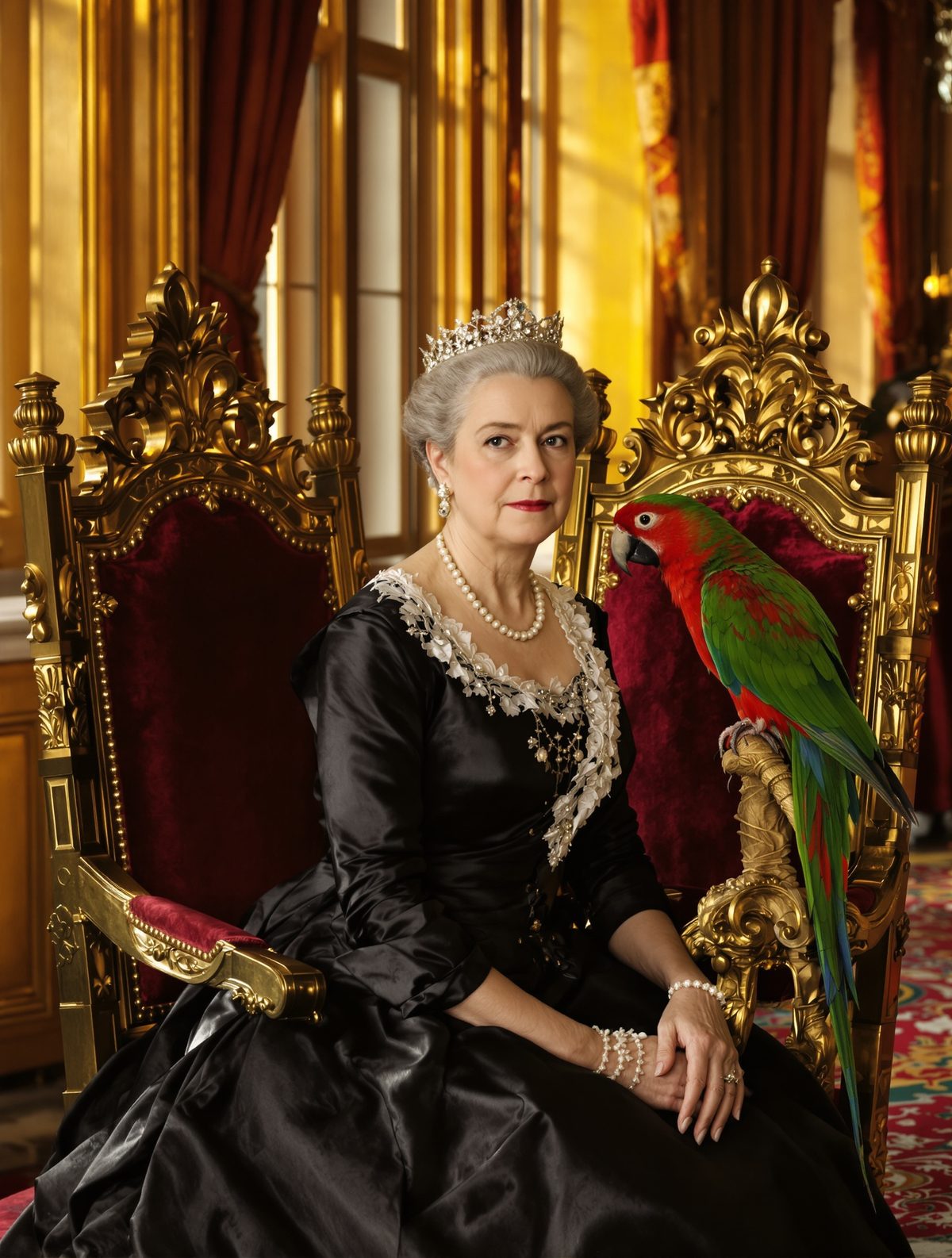
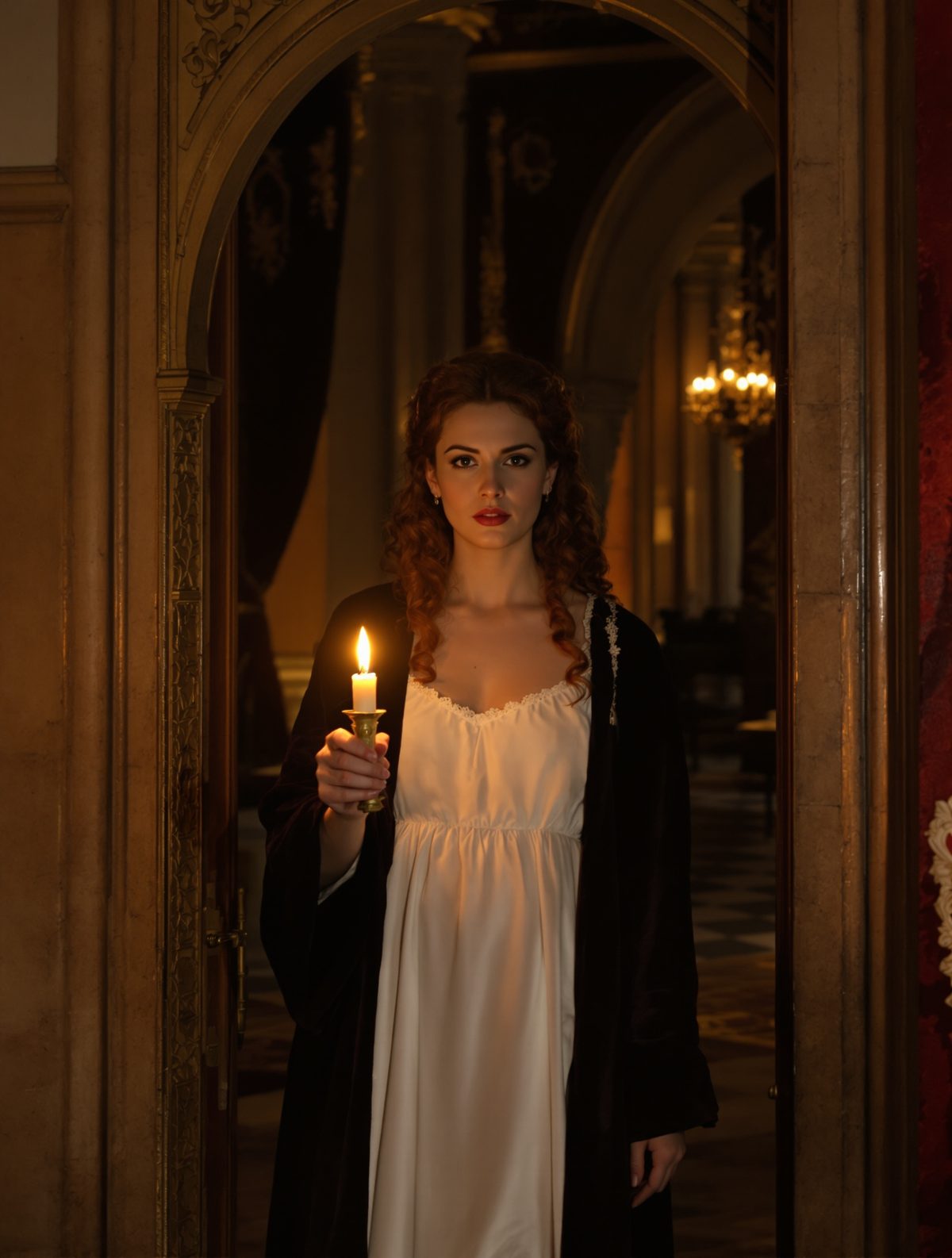
The corridors of Windsor Castle had never seemed so forbidding as they did on that Christmas Eve in 1817. Through the ancient stone passageways, a young woman in a white nightgown moved like a ghost, her bare feet silent against the cold floors. Princess Charlotte of Wales, heir to the throne and the nation's beloved hope for the future, was about to commit an act of defiance that would echo through royal history. In just hours, she would be dead.
A Castle Divided by Madness and Protocol
Windsor Castle in 1817 was a residence split in two by tragedy and strict royal protocol. In the grand state apartments, the Prince Regent held court with all the pomp and ceremony befitting the ruler of Britain. But in the older, quieter wing, King George III lived out his final days in a world of shadows and silence, his mind lost to the mysterious malady that had plagued him for decades.
The King's condition had deteriorated dramatically since 1810, when his son was officially appointed Prince Regent. What had once been episodes of erratic behaviour punctuated by periods of lucidity had become a permanent withdrawal from reality. Palace physicians, led by the controversial Dr. Francis Willis, maintained strict control over the King's quarters. No visitors were permitted beyond his immediate attendants, and even his own family were barred from disturbing what little peace the troubled monarch could find.
Princess Charlotte, however, had always possessed a rebellious spirit that set her apart from typical royal protocol. At 21, she was the only legitimate grandchild of George III and the sole heir to continue the direct line of succession. Her marriage earlier that year to Prince Leopold of Saxe-Coburg had been a love match that defied political expectations, and she had already shown herself willing to challenge convention when her heart demanded it.
The Christmas Eve That Changed Everything
Contemporary accounts from Charlotte's lady-in-waiting, Lady Ilchester, reveal that the Princess had been unusually restless throughout Christmas Eve. She had spent the evening at the traditional royal Christmas celebrations, but those who knew her well noticed her distraction. According to court records, she retired to her chambers unusually early, claiming fatigue from her advancing pregnancy.
What happened next has been pieced together from the testimonies of night servants and the Princess's own confidential letters to Prince Leopold, discovered decades later in the royal archives. Unable to sleep and feeling an overwhelming compulsion to see her grandfather, Charlotte rose from her bed and began the treacherous journey through the castle's labyrinthine corridors.
The forbidden wing of Windsor was not merely off-limits; it was actively guarded. Yet Charlotte's intimate knowledge of the castle's secret passages, gained during childhood games of hide-and-seek, served her well. She navigated through servants' staircases and forgotten doorways, moving ever closer to the chambers where the King spent his isolated days and nights.
A Granddaughter's Final Gift
The scene that greeted Princess Charlotte in her grandfather's chambers was heartbreaking in its simplicity. King George III, once the vibrant ruler who had guided Britain through the American Revolution and the early years of the Napoleonic Wars, sat motionless in a chair by the dying embers of a fire. His long white hair hung loose around his shoulders, and his eyes stared unseeing into the darkness.
Palace records indicate that the King had not spoken a coherent word in over three months. Dr. Willis's notes from this period describe a patient who had retreated so far into his own mind that he seemed barely aware of his surroundings. It was into this profound silence that Princess Charlotte began to sing.
The carols she chose were not the grand hymns of state occasions, but the simple melodies of her childhood. Court musicians had taught her these songs in happier times, when her grandfather's illness was still episodic and family gatherings were possible. She sang "The Holly and the Ivy," "God Rest Ye Merry Gentlemen," and other traditional English carols that would have been familiar to the King from his own youth.
But it was her rendition of "Silent Night" – a relatively new carol that had only recently arrived in England from Austria – that created the miracle witnessed that Christmas Eve. As Charlotte's voice filled the quiet chamber with the hauntingly beautiful melody, something stirred in the depths of King George III's fractured mind.
The Whispered Name That Broke the Silence
According to the account later given by Charlotte herself, as the final notes of "Silent Night" faded into the darkness, her grandfather slowly turned his head toward her. For a moment that seemed suspended in time, his eyes focused with a clarity that had been absent for months. His lips moved almost imperceptibly, and in a voice barely above a whisper, he spoke her name: "Charlotte."
The moment lasted only seconds before the King retreated once again into his private world of silence. But for Princess Charlotte, it was a gift beyond measure – proof that somewhere within the shell of madness, her grandfather still lived, still knew her, still felt the bonds of family love that had always been so important to him.
Charlotte remained with the King for another hour, holding his hand and speaking softly of her hopes for her unborn child and her dreams of the future. She promised to name her baby George if it was a boy, ensuring that his name would continue to grace the throne. When she finally crept back to her own chambers, she carried with her the profound satisfaction of having said goodbye.
Tragedy and Legacy
The cruelest twist in this touching story is that Princess Charlotte would not live to see another Christmas. On November 5, 1817, just weeks after her midnight visit to her grandfather, she died following complications in childbirth. Her son was stillborn, and with their deaths, the direct line of succession was broken. The succession crisis that followed would ultimately bring Queen Victoria to the throne, fundamentally changing the character of the British monarchy.
King George III himself died just over two years later, in January 1820, having never again spoken his beloved granddaughter's name. The story of their final meeting remained largely unknown until the discovery of Charlotte's letters in the 1870s, during renovations at Windsor Castle.
Today, as we watch the current generation of royal children grow up under the intense scrutiny of modern media, Princess Charlotte's midnight rebellion reminds us that the human heart often transcends the rigid protocols of palace life. Her courage to defy orders and reach across the divide of mental illness to comfort a suffering grandfather speaks to the same compassionate spirit we see in today's royals when they champion mental health awareness and break down barriers of stigma and silence.
In the end, Princess Charlotte's forbidden Christmas carol achieved something that all the court physicians and royal protocols could not: it bridged the gap between two souls, grandfather and granddaughter, in a moment of perfect understanding that transcended the limitations of a troubled mind. It remains one of the most poignant reminders that behind the crowns and ceremonies, the royal family has always been, at its heart, simply a family – with all the love, loss, and longing that family relationships entail.