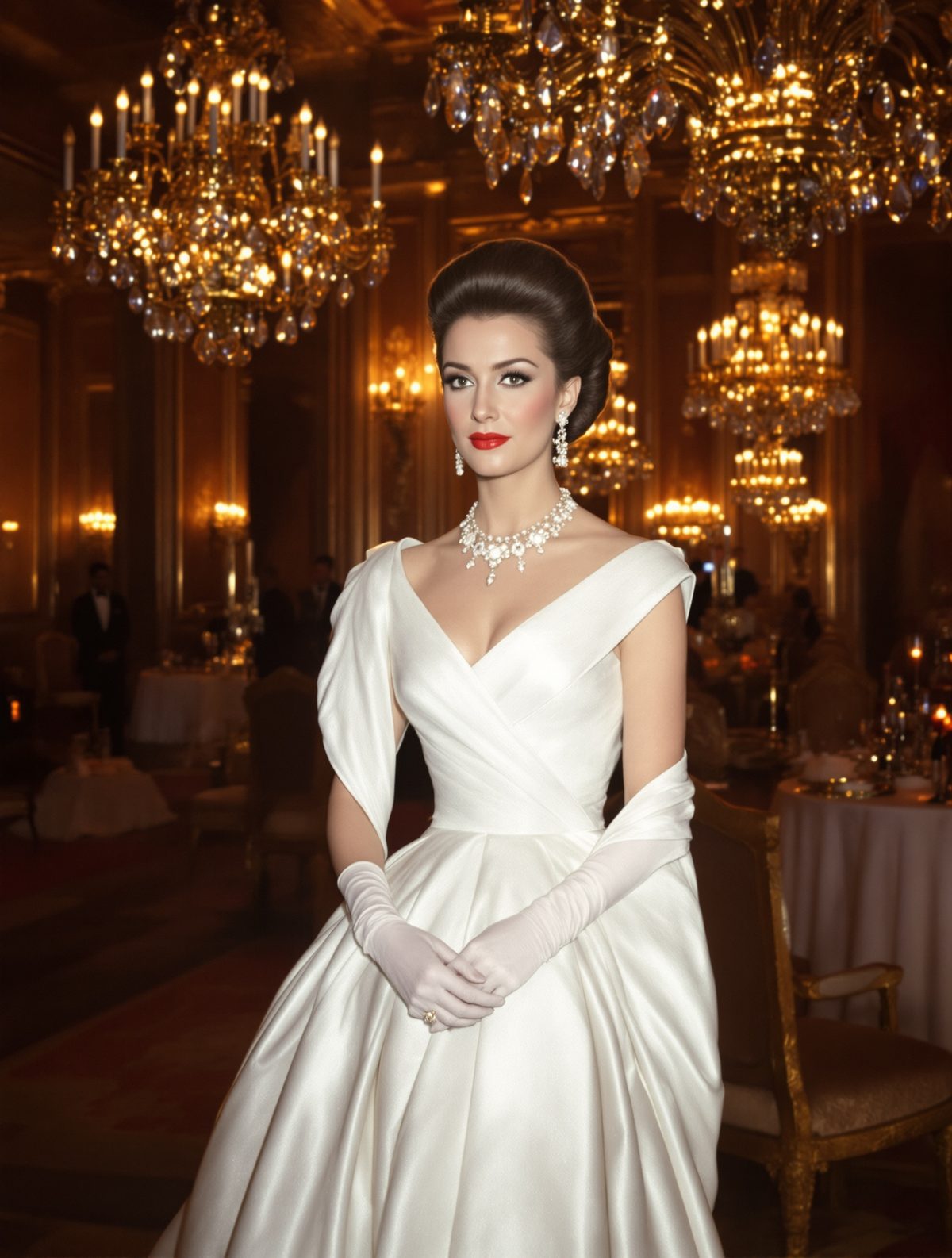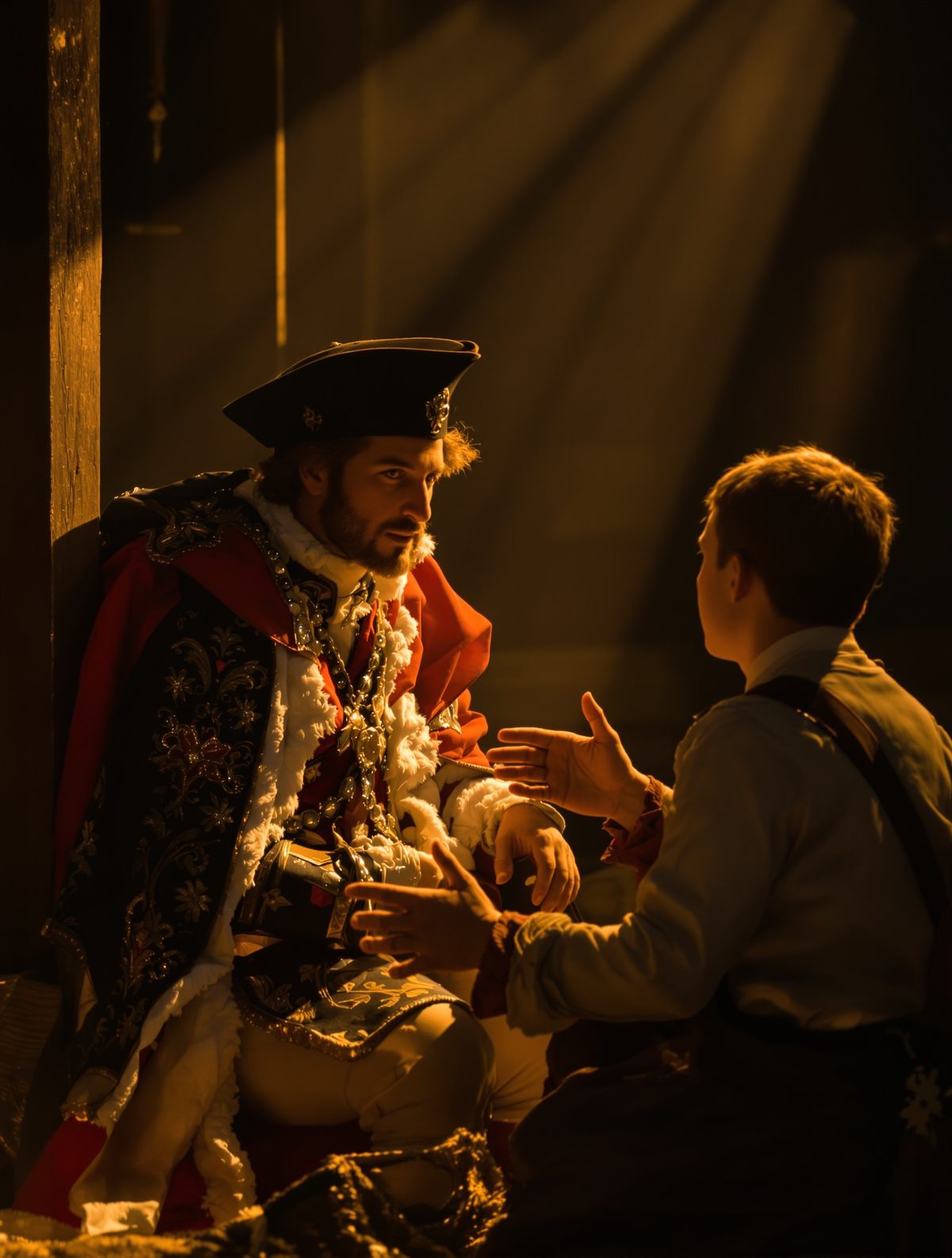
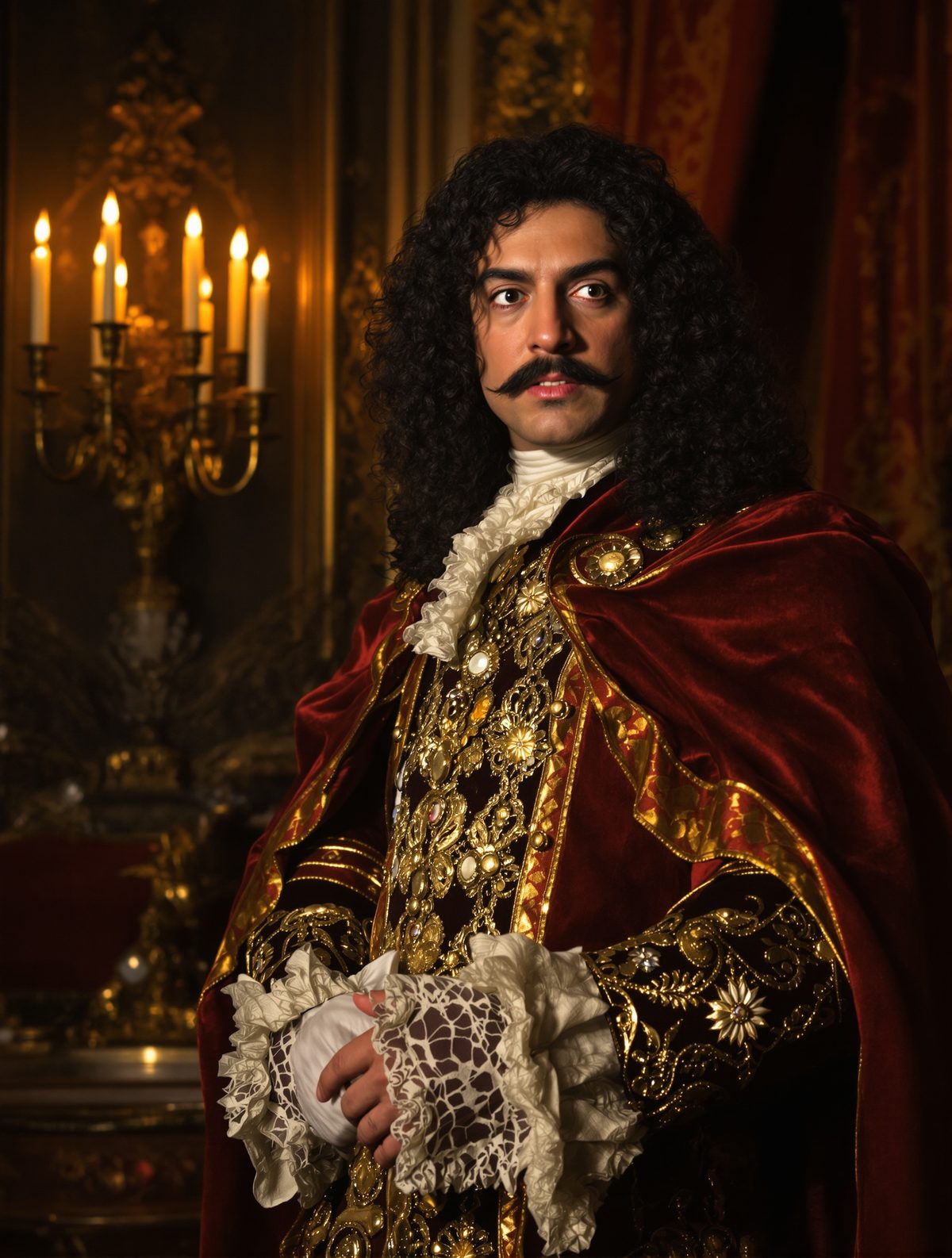
Behind the stone walls of Whitehall Palace, England's newly restored king harbored a scandalous secret that would have horrified his subjects. Every night after his court retired, Charles II crept through darkened corridors for clandestine lessons that defied every rule of masculine royal behavior. While his courtiers slumbered, believing their sovereign safely abed, the Merry Monarch was en pointe, practicing pirouettes in his nightgown under the flickering candlelight of the palace cellars.
The Restoration King's Revolutionary Passions
When Charles II reclaimed his throne in 1660 after years of exile in France, he brought with him more than just a desire to restore the monarchy—he carried a deep love for the refined arts that had flourished at the court of Louis XIV. The Sun King's Versailles had dazzled the exiled English prince with its sophisticated ballet performances, where noblemen gracefully leaped and turned in elaborate court entertainments that were as much about political power as artistic expression.
But 1660s England was a different world entirely. After the austere years of Cromwell's Commonwealth, where dancing was considered sinful and theatrical performances banned, the very notion of a king engaging in such foreign frivolities was enough to send his Protestant courtiers into apoplexy. The English court, still finding its feet after the Restoration, clung to more traditional notions of royal masculinity—hunting, military prowess, and stern governance were the expected pursuits of a proper English king.
Charles, however, had tasted something intoxicating in France. Ballet wasn't merely entertainment; it was a language of power, grace, and divine right expressed through the human body. Louis XIV himself had performed as Apollo, literally embodying the sun god in elaborate ballets that reinforced his absolute authority. For Charles, these midnight lessons weren't just about personal pleasure—they were about mastering a royal art form that his English subjects simply couldn't understand.
Moonlight Meets French Elegance in the Palace Depths
The details of these nocturnal sessions read like something from a restoration comedy. Historical accounts suggest that Charles enlisted the help of French dancing masters who had followed him to England, men who understood the sophisticated court culture he yearned to recreate. The palace cellars provided the perfect venue—spacious enough for movement, private enough to avoid prying eyes, and sufficiently removed from the main court quarters that the sound of footsteps and gentle music wouldn't wake sleeping courtiers.
Picture, if you will, the scene: England's king, still wearing his nightgown but with proper dancing shoes, moving through the five positions of classical ballet by candlelight. His instructors, probably terrified of discovery but bound by royal command, guiding him through the intricate steps of the gavotte and menuet. The stone walls that had once echoed with Tudor footsteps now witnessed something unprecedented in English royal history.
The revelation of these secret sessions came, as palace scandals often do, through the sharp eyes of suspicious courtiers. Some accounts suggest it was the king's unusual vitality at morning audiences that first raised eyebrows—Charles displayed an uncommonly graceful bearing and fluid movement that seemed to improve dramatically over his first months back on the throne. Others whisper of servants reporting strange sounds from the cellars, or the discovery of suspicious scuff marks on stone floors.
Courtly Horror and Cultural Collision
When the truth finally emerged, the reaction was everything Charles had feared. His English courtiers were genuinely horrified, viewing his nocturnal ballet sessions as dangerously foreign, potentially effeminate, and wholly inappropriate for a monarch trying to establish his authority after years of republican rule. The cultural gulf between English and French court customs had never been more apparent.
The horror wasn't merely aesthetic—it was deeply political. England's relationship with France was complex and often antagonistic, and anything that smacked of French influence was viewed with suspicion. For their king to be secretly practicing French arts, especially ones that involved such intimate bodily expression, suggested a dangerous alignment with Catholic, absolutist values that many Protestant English nobles feared.
Moreover, the secrecy itself was problematic. Kings were supposed to be transparent in their pursuits, their daily routines a matter of court protocol and public interest. The idea that Charles was sneaking around his own palace, engaging in activities he felt compelled to hide, suggested either shame or deception—neither quality his subjects wanted in their restored monarch.
Yet Charles persisted, at least for a time. Historical records suggest he eventually moved his dancing lessons to more appropriate hours and venues, gradually introducing French-style entertainments to his court in ways that were less shocking to English sensibilities. The king's love of ballet evolved into patronage of court masques and theatrical performances that, while still controversial, were at least conducted in the light of day.
The Merry Monarch's Lasting Legacy
Charles II's midnight dancing obsession reveals something profound about the challenges of royal identity in an age of cultural transformation. Here was a king caught between worlds—the sophisticated, artistic court culture he had absorbed during exile, and the more rigid expectations of his English subjects who had lived through decades of Puritan rule.
His secret ballet lessons weren't just about personal passion; they represented a broader struggle to define what English royalty could become in the post-Commonwealth era. Charles was essentially arguing, through his graceful movements in those palace cellars, that kings could be both powerful and artistic, both English and cosmopolitan.
The scandal also illuminates the intimate humanity of monarchy itself. Despite all the ceremony, protocol, and public scrutiny, Charles II was simply a man who loved to dance. His willingness to risk scandal and political damage for the sake of artistic expression speaks to something beautifully human in the often dehumanized institution of kingship.
In our current age, when the Royal Family navigates constant media attention and public scrutiny of their every move, Charles II's midnight pirouettes seem almost quaint. Today's royals may not sneak off for secret ballet lessons, but they continue to balance personal passions with public expectations, individual desires with institutional demands. The current King Charles III's lifelong advocacy for environmental causes and architectural preservation echoes his namesake's determination to pursue interests that matter to him, regardless of whether they perfectly align with traditional royal expectations.
Perhaps most remarkably, Charles II's dancing scandal reminds us that the most memorable monarchs are often those who dare to be authentically themselves, even when it means tiptoeing through palace corridors at midnight, nightgown flowing, ready to leap into something beautiful and forbidden.