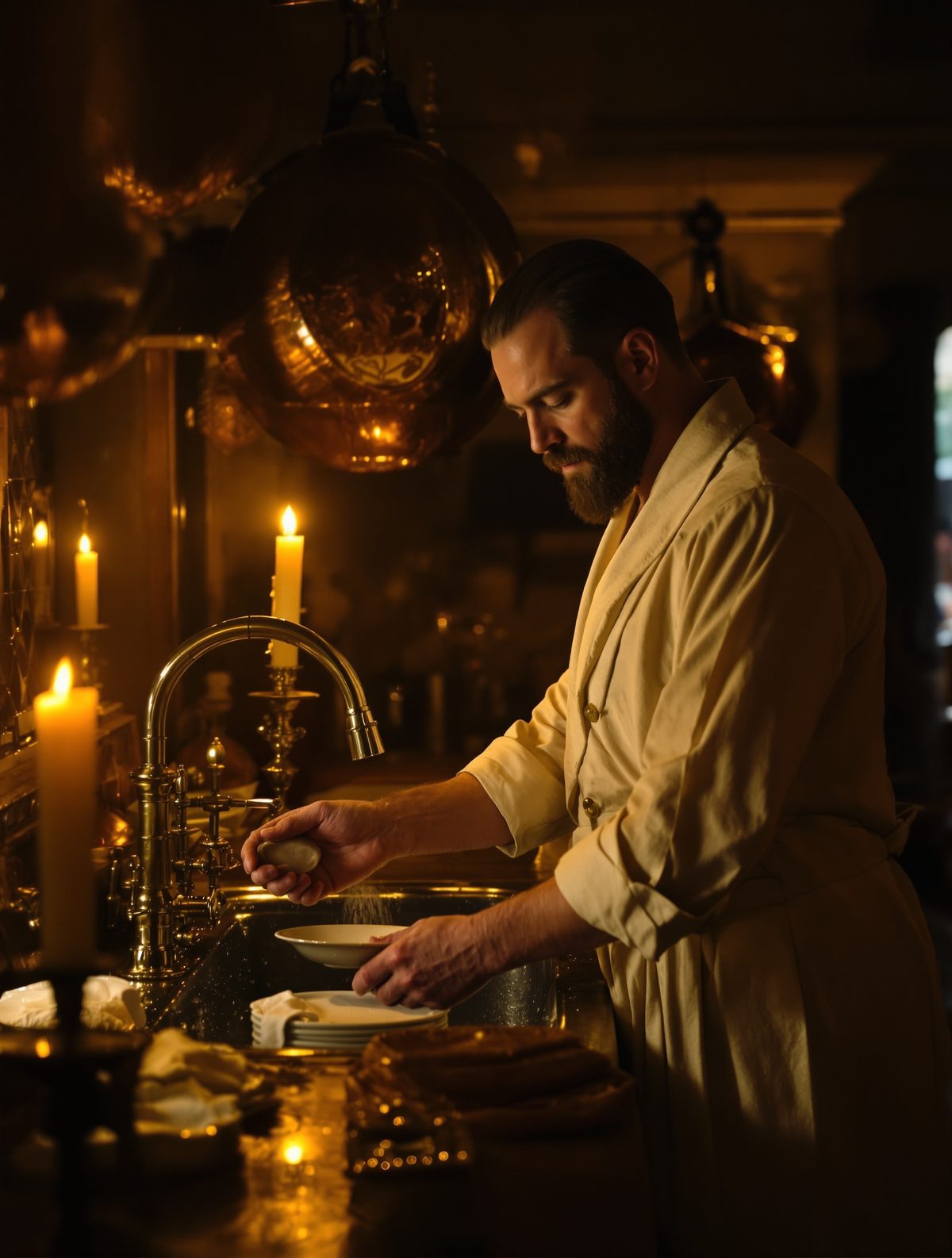
Picture this: the grand corridors of Kensington Palace shrouded in darkness, save for the flicker of a single candle carried by a determined figure in nightclothes. At two o'clock in the morning, while most of London slumbered, Princess Caroline of Brunswick was on a mission that would have shocked polite society and delighted gossip columngers had they known. She was gathering an audience for what would become the most extraordinary musical performances of the Georgian era—not in glittering ballrooms before titled guests, but in secret sessions with bewildered kitchen maids, sleepy footmen, and anyone else she could rouse from the servants' quarters.
A Princess in Exile: The Loneliness Behind the Music
To understand Caroline's midnight musical escapades, we must first grasp the profound isolation that drove her to such unconventional behaviour. By the 1820s, Princess Caroline of Brunswick found herself in an impossible position—technically Queen of England following George III's death in 1820, yet utterly rejected by her husband, the new King George IV, and largely shunned by fashionable society.
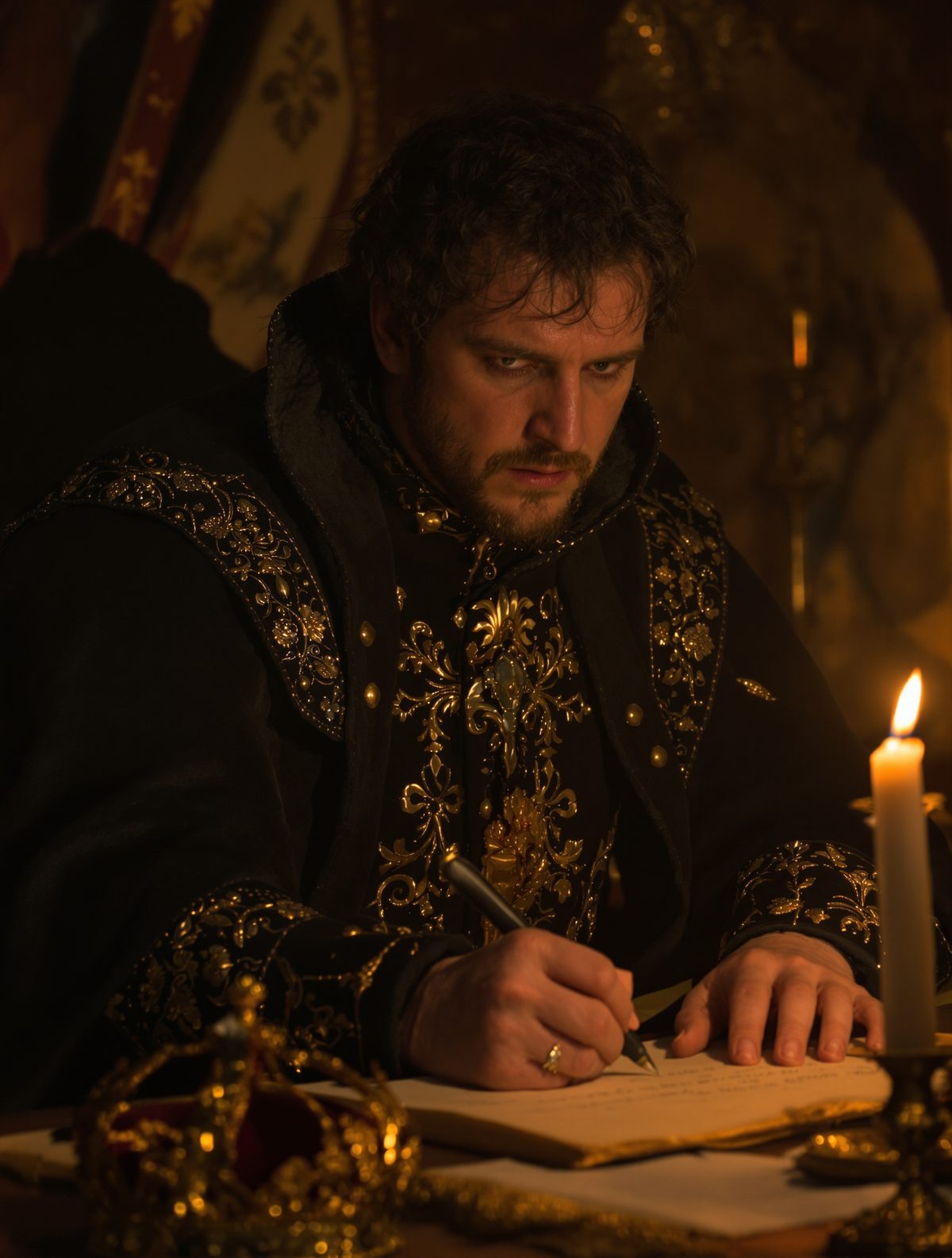
Their marriage had been a disaster from the very beginning. George IV had married Caroline sight unseen in 1795 for political and financial reasons, reportedly needing to down several glasses of brandy before the ceremony. The couple separated after just one year and the birth of their daughter, Princess Charlotte. Caroline spent years in exile on the Continent, her behaviour growing increasingly eccentric and her reputation suffering under a barrage of scandalous rumours.
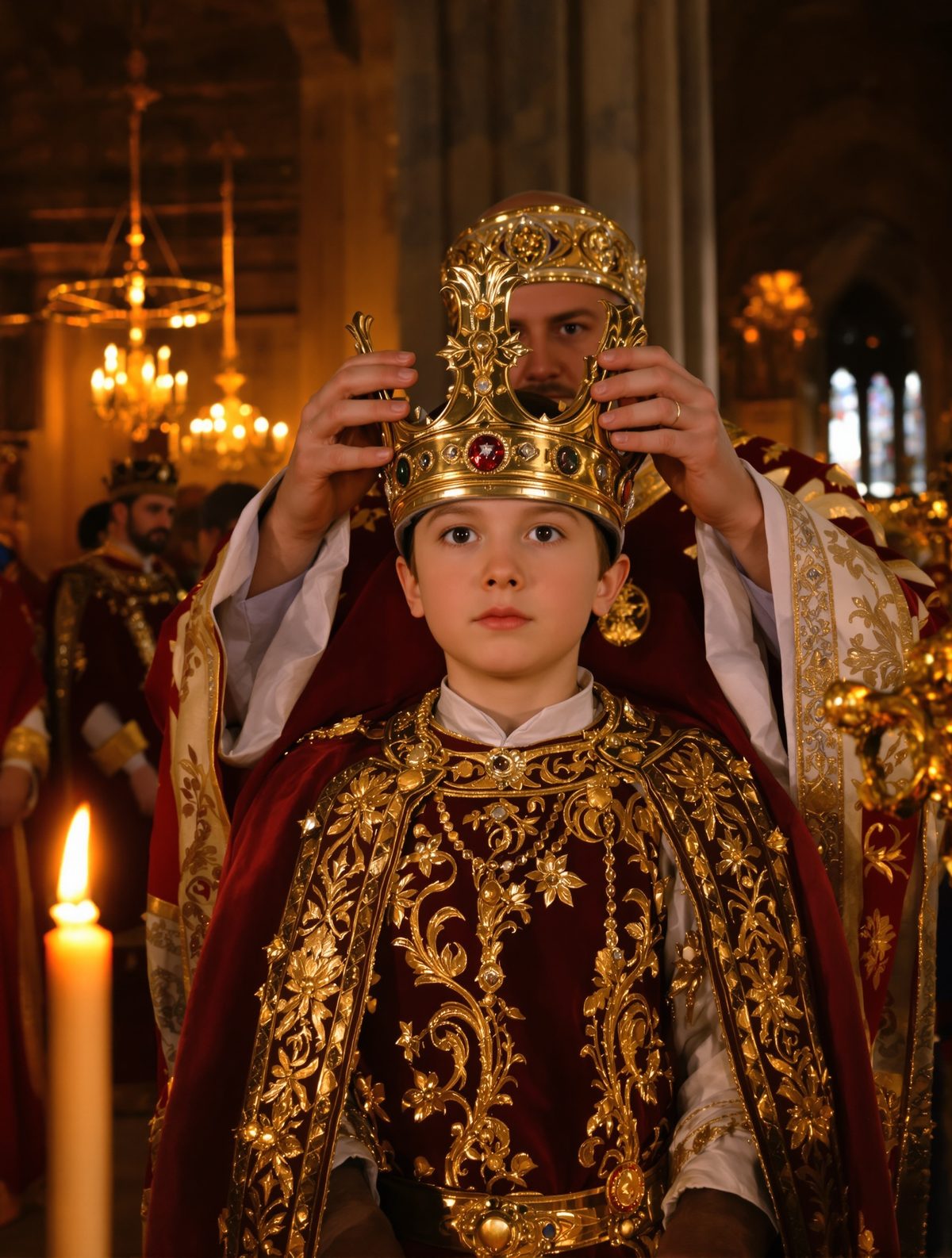
When she returned to England in 1820 to claim her rightful place as Queen, she found herself living in Kensington Palace but effectively under house arrest. The King refused to allow her coronation, Parliament was divided on the "Caroline Question," and polite society largely gave her the cold shoulder. For a woman who had once moved in the highest circles of European nobility, the silence of those empty palace corridors must have been deafening.
The Birth of an Unlikely Musical Ensemble
It was during these lonely nights that Caroline's love of music—one of the few proper accomplishments expected of Georgian ladies—took on a rebellious new form. Rather than performing solo or with her small retinue of ladies-in-waiting, she began venturing into the servants' quarters, lantern in hand, to gather the most unlikely musical ensemble ever assembled within palace walls.
Contemporary accounts from palace staff, preserved in letters and diaries, paint a vivid picture of these extraordinary scenes. Footmen would find themselves shaken awake and summoned to the music room, still in their nightclothes. Kitchen maids, exhausted from their early morning bread preparations, would be conscripted into Caroline's impromptu choir. Even stable hands and gardeners weren't safe from the Princess's midnight recruitment drives.
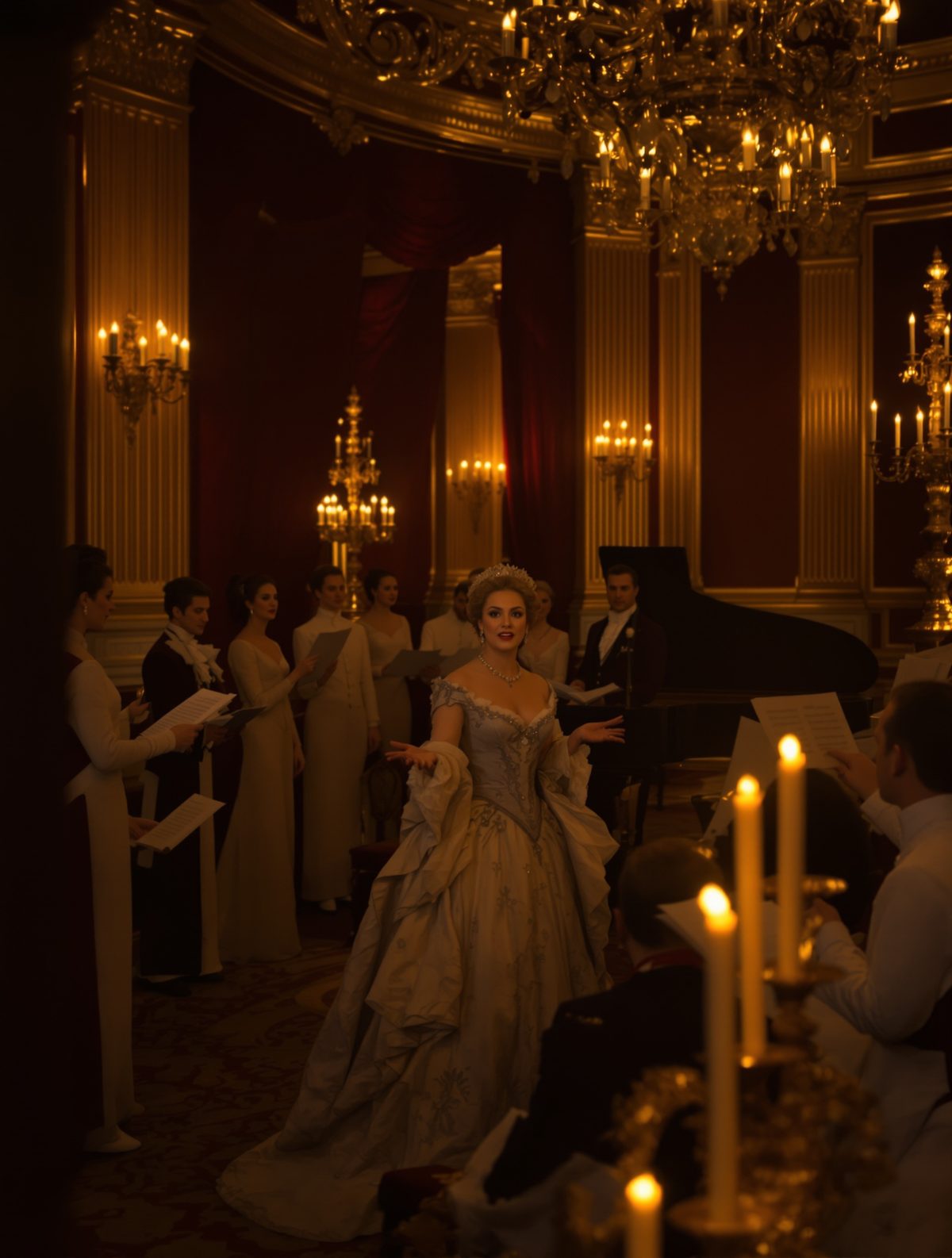
What makes these gatherings particularly fascinating is Caroline's choice of repertoire. This wasn't simple folk music or hymns that might have been familiar to the working classes. Caroline insisted on teaching her bewildered audience complex opera arias, dramatic pieces from Mozart, Handel, and contemporary Italian composers that would have challenged even trained court musicians.
Breaking Every Rule in the Book
To modern readers, Caroline's midnight concerts might seem charmingly eccentric, but in the rigid social hierarchy of Georgian England, her behaviour was nothing short of revolutionary. The very idea of royalty mingling intimately with servants was scandalous enough, but to do so in such an informal, creative capacity broke every rule of palace protocol.
The Georgian court operated on strict principles of precedence and propriety. Servants were expected to be invisible, efficient, and utterly deferential. They had prescribed roles, specific uniforms, and carefully regulated interactions with their social superiors. Caroline's midnight musical gatherings demolished these barriers entirely.
According to surviving accounts, she would sit at the palace's magnificent harpsichord, her hair unpowdered and loose, teaching complex harmonies to women whose hands were still stained with flour and men whose boots carried the mud of the palace yards. She reportedly showed infinite patience with wrong notes and forgotten lyrics, creating an atmosphere of genuine camaraderie that must have felt magical to people accustomed to being treated as part of the furniture.
The scandal wasn't just social—it was also practical. These midnight sessions meant that crucial palace staff were exhausted during their regular duties. Kitchen maids who should have been preparing breakfast were nodding off over their mixing bowls. Footmen stumbled through their morning duties, their heads still filled with Italian lyrics they could barely pronounce.
The Palace Underground: How Secrets Spread
Despite the secretive nature of these gatherings, word inevitably spread throughout the complex network of London's servant community. Palace staff were connected to households throughout Mayfair and Westminster, and such extraordinary stories were too good not to share during trips to market or visits to family.
The midnight concerts became legendary among London's working classes, though they remained largely unknown to the upper echelons of society. In servants' halls across the capital, stories circulated about the "mad Queen" who treated kitchen maids like opera singers and taught stable boys to harmonise like angels.
Some contemporary observers, particularly those sympathetic to Caroline's plight, saw these musical gatherings as evidence of her essential humanity and democratic spirit. Others viewed them as further proof of the mental instability that her enemies had long claimed disqualified her from queenship. The truth, as so often with Caroline, probably lay somewhere between these extremes.
A Legacy Written in Whispered Songs
Princess Caroline's midnight musical rebellion lasted until her sudden death in August 1821, just over a year after her husband's coronation—a ceremony from which she had been dramatically barred. With her passing, the extraordinary concerts came to an abrupt end, leaving behind only memories and the faint echo of opera arias in palace corridors.
What makes Caroline's story so compelling isn't just its eccentricity, but what it reveals about the human cost of royal duty and social expectations. Here was a woman trapped by protocol, isolated by politics, yet determined to find genuine human connection in the most unlikely circumstances. Her midnight choirs weren't just about music—they were about breaking down the walls that separated her from authentic relationships.
In our modern era, when the Royal Family actively works to appear relatable and accessible, Caroline's story feels remarkably contemporary. Today's royals visit food banks and homeless shelters, chat informally with well-wishers, and share glimpses of their private lives on social media. Yet none have quite matched Caroline's radical approach to demolishing social barriers—gathering palace servants at 2am to sing Italian arias together remains, perhaps thankfully, a unique chapter in royal history.
The servants who participated in those magical midnight hours carried their memories to their graves, some undoubtedly humming half-remembered fragments of Mozart while they worked. In the grand sweep of royal history, Caroline's secret concerts may seem like a footnote, but they represent something profound: the enduring human need for connection, creativity, and community, regardless of crown or circumstance.