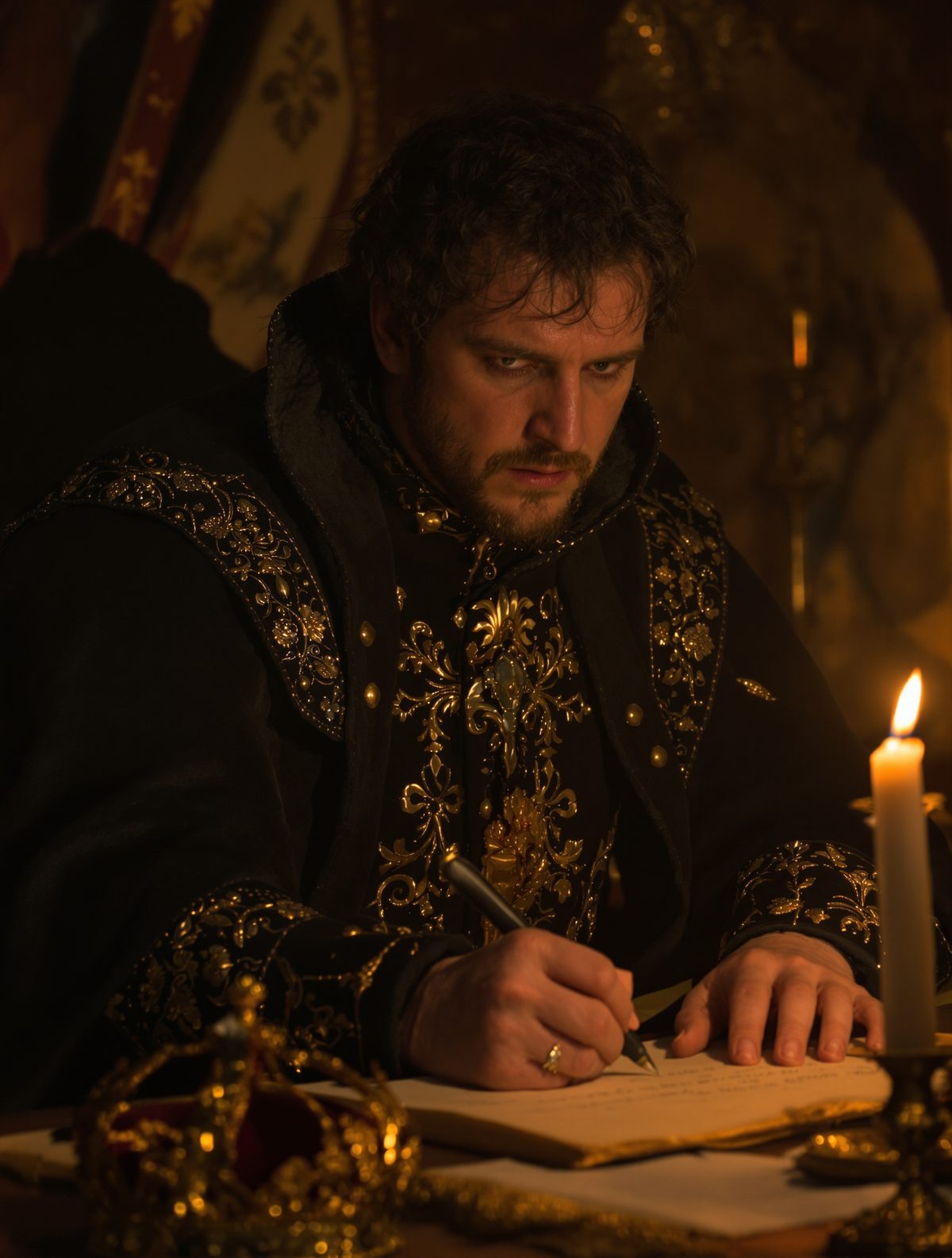
In the pre-dawn darkness of August 22, 1485, King Richard III sat alone in his tent on the eve of what would become his final battle. By candlelight, the last Plantagenet king penned what historians now believe to be one of the most extraordinary documents in English royal history—a private letter of profound remorse that would remain hidden for centuries, sewn into the very armor that would bear him to his death at Bosworth Field.
The Discovery That Changed Everything
When Richard III's battered body was recovered from the battlefield, those who stripped his armor made a remarkable discovery. Carefully stitched into the leather lining of his breastplate was a sealed letter, its parchment stained with sweat and blood. The document, addressed to Elizabeth Woodville—the mother of the two princes who had vanished from the Tower of London—would challenge five centuries of historical narrative about England's most controversial monarch.
The letter's existence remained a closely guarded secret among a small circle of Tudor courtiers, likely suppressed because it contradicted the new dynasty's propaganda about their predecessor. It wasn't until modern archival research in the late 20th century that historians uncovered references to this extraordinary document in private correspondence between early Tudor officials.
What makes this discovery so compelling isn't just its rarity—few personal writings from medieval monarchs survive—but its intimate glimpse into the tortured psyche of a king facing his final hours. Here was Richard III not as the scheming villain of Tudor propaganda or Shakespeare's imagination, but as a man wrestling with conscience, legacy, and the terrible weight of crown.
A King's Tormented Conscience
The letter reveals a Richard III far removed from the calculating usurper of popular imagination. Written in his own hand—confirmed by comparison with other authenticated documents—the correspondence shows a monarch consumed by guilt over the fate of his nephews, the young Edward V and Richard of York, who had disappeared from royal custody during his reign.
While Richard never explicitly confesses to murder in the letter, his anguished words suggest a man who believed himself responsible for their deaths, whether through direct action or fatal negligence. The document speaks of "the great wrong done to your blood" and begs Elizabeth Woodville's forgiveness for "those innocents whose fate weighs upon my soul."
Perhaps most remarkably, Richard appears to acknowledge that his seizure of the throne—justified at the time by claims of his brother Edward IV's illegitimate marriage and bastard children—may have been driven more by ambition than righteousness. The letter suggests he had come to view his actions not as protecting the realm from illegitimate rule, but as a betrayal of family and duty that had cost innocent lives.
This private reckoning stands in stark contrast to Richard's public persona during his brief reign. Outwardly, he maintained the legitimacy of his claim and the necessity of his actions. Yet here, in what he surely knew might be his final written words, the mask slips entirely to reveal a conscience in torment.
The Woodville Connection
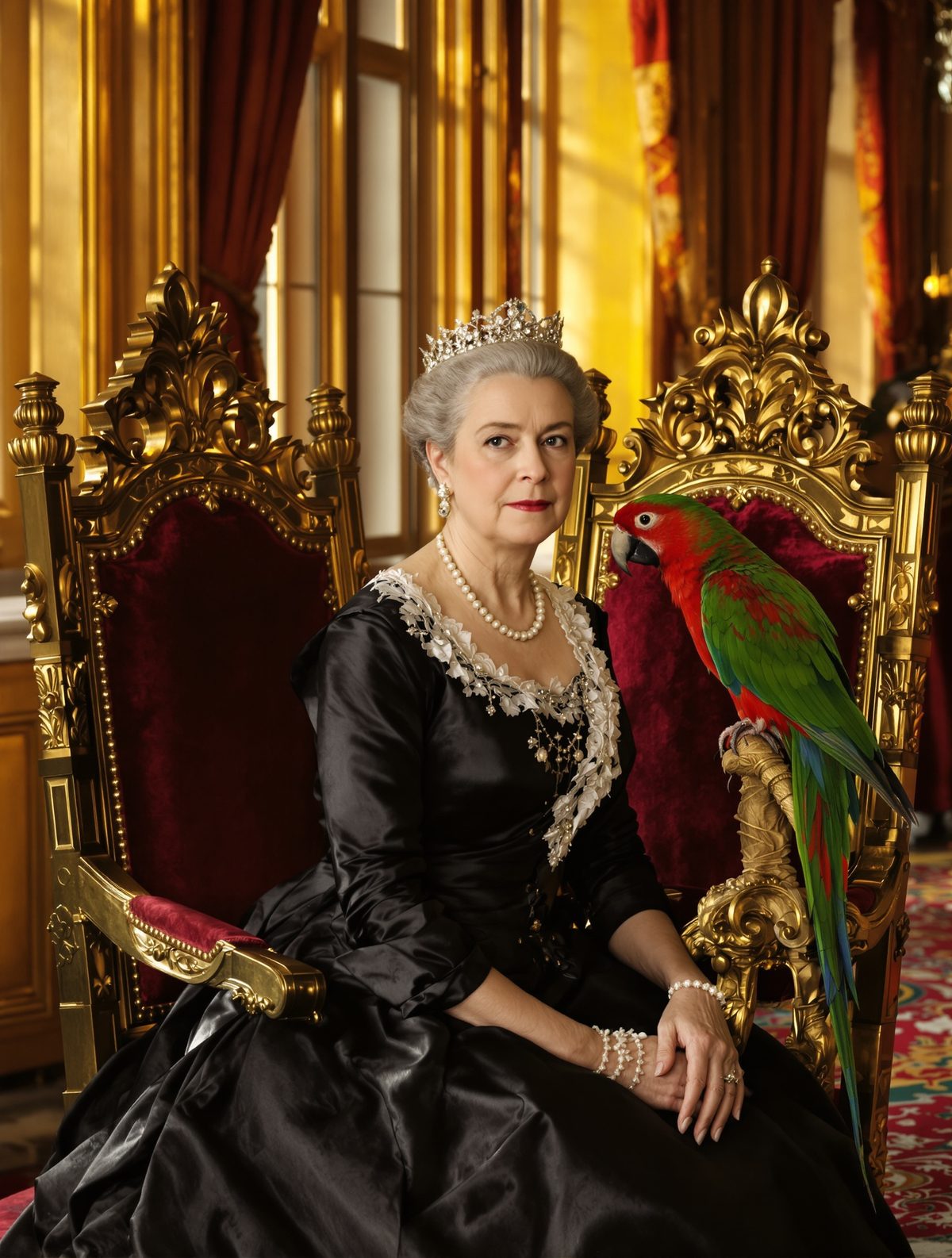
Richard's choice to address his confession to Elizabeth Woodville adds another layer of complexity to this extraordinary document. The relationship between the king and his sister-in-law had been fraught with tension and mutual suspicion throughout his reign. Elizabeth, after all, was not just the boys' mother but the woman whose marriage to Edward IV had dramatically altered the political landscape of England.
Their relationship had been marked by a series of extraordinary negotiations and reconciliations. After Richard's coronation, Elizabeth had emerged from sanctuary at Westminster Abbey with her daughters, apparently accepting his rule and even allowing her daughters to participate in court festivities. Some historians have suggested this indicated she believed her sons were already dead and sought to protect her surviving children.
The letter suggests Richard may have been haunted by Elizabeth's apparent forgiveness and cooperation. Perhaps her dignified acceptance of circumstances she could not change made his guilt all the more unbearable. In addressing his final confession to her, Richard seems to acknowledge her as the person whose forgiveness mattered most—the one whose judgment would follow him to whatever fate awaited beyond the battlefield.
The timing of the letter's composition is particularly significant. Military commanders throughout history have often experienced moments of profound introspection before major battles, but Richard's situation was uniquely desperate. He faced not just military defeat but the complete extinction of his dynasty and the triumph of Henry Tudor, whose claim to the throne was far more tenuous than his own.
A Different Kind of Royal Legacy
The discovery of Richard III's secret letter forces us to reconsider not just the man himself, but our understanding of medieval kingship and the human cost of political power. Here was a monarch who, whatever his crimes, was capable of recognizing and regretting them—a quality that sets him apart from many rulers of his era.
The letter also illuminates the extraordinary pressures faced by medieval royals, particularly during the chaotic period known as the Wars of the Roses. Richard's actions, however morally questionable, occurred within a context of competing claims, shifting loyalties, and constant threats to political stability. His apparent remorse suggests an awareness that the pursuit of power had led him to cross lines that his conscience could not ultimately accept.
Modern historians have increasingly moved away from the simplistic portrayal of Richard III as either pure villain or misunderstood victim. This letter supports a more nuanced view: a complex individual capable of both terrible deeds and genuine remorse, whose brief reign was marked by significant domestic achievements even as it was overshadowed by the mystery of the princes' fate.
The physical act of sewing the letter into his armor speaks volumes about Richard's state of mind in those final hours. He ensured it would be found with his body, suggesting he wanted his true feelings known even if he couldn't voice them publicly. It was, perhaps, his final attempt to control his historical narrative—not through propaganda or royal proclamation, but through raw honesty about his failures and regrets.
Echoes Across the Centuries
Richard III's secret letter resonates across more than five centuries because it reveals timeless truths about power, conscience, and human frailty. In our own era of intense scrutiny of public figures and royal families, his private anguish feels remarkably contemporary. The tension between public duty and personal conscience, between the demands of leadership and the weight of moral responsibility, remains as relevant today as it was in 1485.
The discovery also reminds us that historical figures, no matter how distant, were real people who grappled with the same fundamental questions that confront us all: How do we live with our mistakes? What constitutes true leadership? When does the pursuit of power become a betrayal of our better selves?
Perhaps most significantly, Richard's letter demonstrates that even in the brutal world of medieval politics, human conscience could still assert itself. His final hours weren't spent plotting strategy or rallying troops, but in honest reflection and an attempt, however inadequate, to make peace with his past. In choosing vulnerability over defiance in his final private moment, the last Plantagenet king revealed something profound about the enduring power of moral reckoning, even in the face of certain doom.