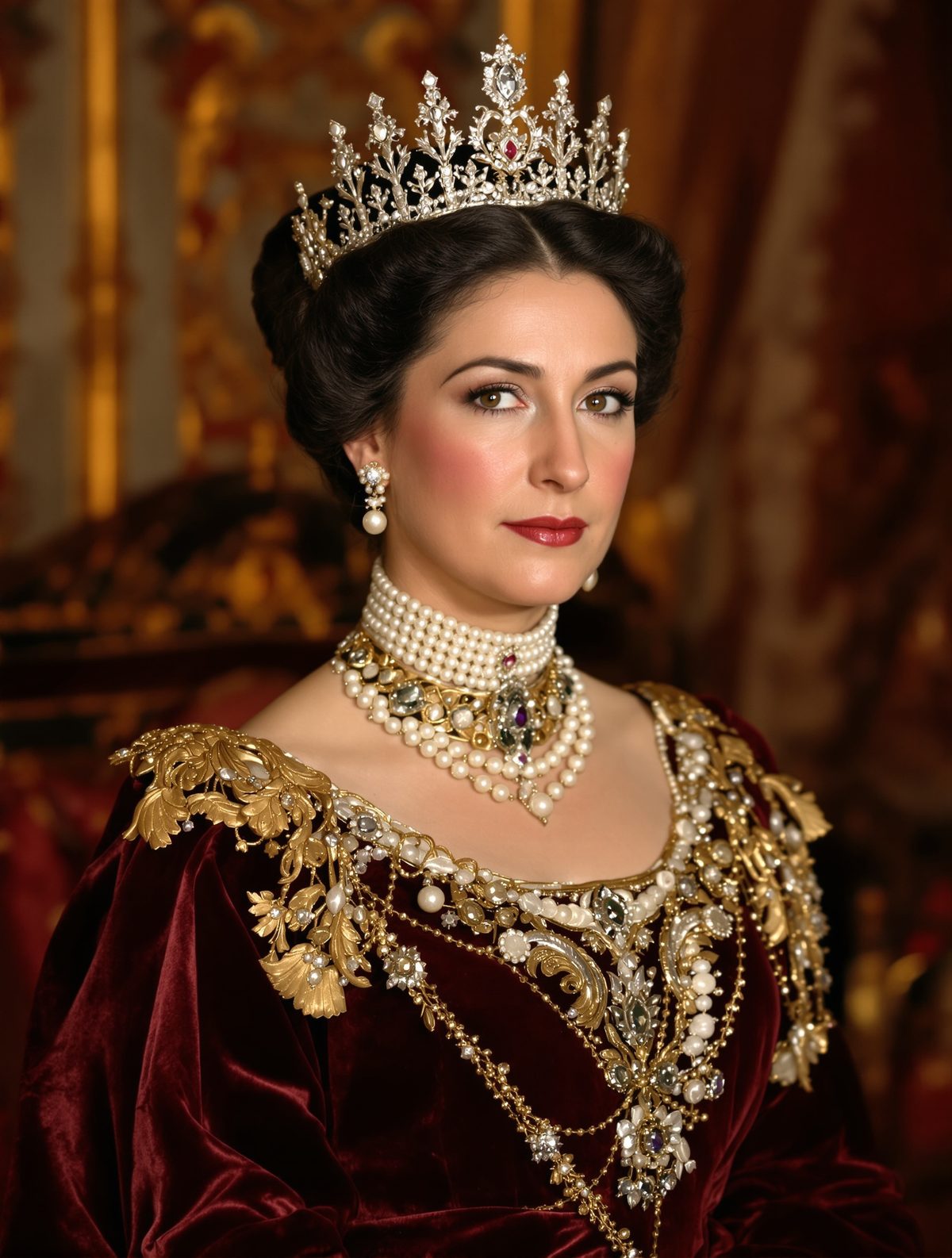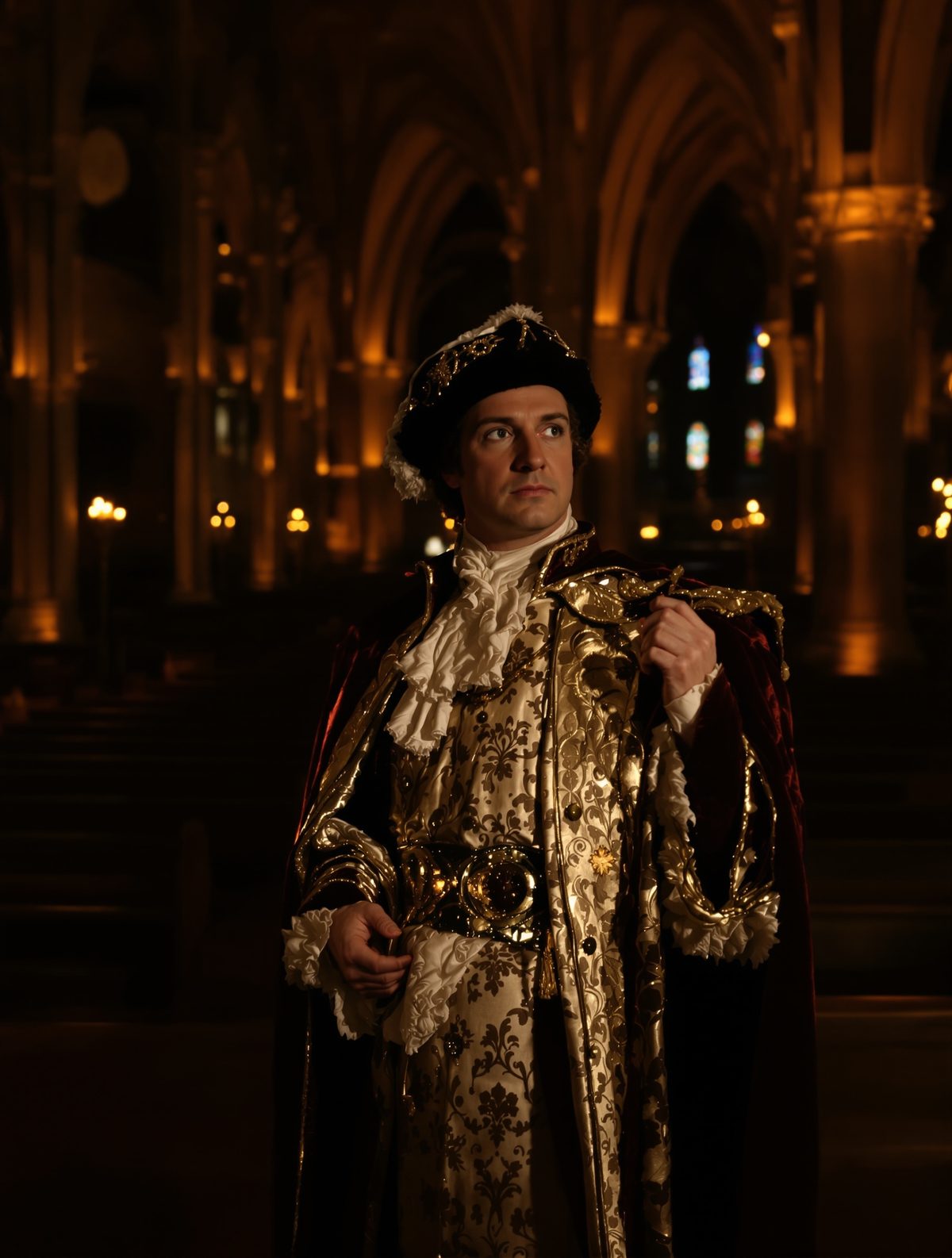
The ancient stones of Westminster Abbey held their breath in the pre-dawn darkness of 12 May 1937. In just hours, these hallowed walls would witness the coronation of a king who never expected to wear the crown—a man whose stammer had made public speaking a torment, whose shy nature recoiled from ceremony, and whose very soul trembled at the weight of an empire's expectations. But first, in the hushed sanctuary at 3 AM, George VI would face his fears alone.
What transpired in those silent hours would become one of the most poignant untold stories of the modern monarchy—a moment of raw vulnerability that revealed the true measure of a reluctant king's devotion to duty.
A Crown Never Meant to Be His
George VI's path to the throne had been nothing short of traumatic. Born Prince Albert Frederick Arthur George, he was the dutiful second son who lived contentedly in his elder brother's shadow. While David—the future Edward VIII—basked in the spotlight as the glamorous Prince of Wales, "Bertie" found solace in family life with his beloved wife Elizabeth and their two young daughters.
The abdication crisis of December 1936 shattered this peaceful existence forever. When Edward VIII chose love over duty, abandoning his throne for American divorcée Wallis Simpson, the crown fell to a man utterly unprepared for kingship. At 40, George VI found himself thrust into the most visible role in the British Empire with less than five months to prepare.
The new king's terror was palpable to all who knew him. His severe speech impediment, which had plagued him since childhood, made every public appearance an ordeal. Palace staff whispered of his visible anxiety during rehearsals, his hands trembling as he practiced the coronation responses. The Times diplomatically noted the king's "quiet dignity," but those close to the royal family knew the truth—George VI was struggling under the enormous pressure.
The Weight of History and Empire
The 1937 coronation carried unprecedented significance. Originally planned for Edward VIII, the ceremony had been hastily reconfigured for his reluctant successor. The weight of expectation was crushing—not just the eyes of the British public, but those of the entire Commonwealth and Empire. India, Australia, Canada, and dozens of other nations would be watching their new sovereign take his sacred oath.
Adding to the pressure were the gathering storm clouds across Europe. Hitler's Germany was growing increasingly aggressive, and many suspected that this new king might soon have to lead his people through the gravest crisis since the Great War. The coronation wasn't merely pageantry—it was a crucial moment for national unity and imperial strength.
The ceremony itself was a masterpiece of precision, rehearsed down to the second. Every gesture, every response, every movement had been choreographed with military exactness. For a man who struggled with his speech, the prospect of delivering the ancient words flawlessly before millions was overwhelming.
A King's Solitary Pilgrimage
Unable to sleep as dawn approached on coronation day, George VI made a decision that would define his reign. Slipping away from his attendants at Buckingham Palace, the king made his way through the empty London streets to Westminster Abbey. The great church stood in darkness, its soaring Gothic arches barely visible in the gloom.
What drew him there was more than mere anxiety—it was a profound need to connect with the sacred nature of his calling. The Abbey wasn't just the venue for his coronation; it was the spiritual heart of the monarchy, where kings and queens had been crowned for nearly a thousand years. Edward the Confessor, William the Conqueror, Elizabeth I, Victoria—all had knelt at that same altar to accept their divine commission.
Palace records suggest that the king entered through a side door, moving quietly through the nave where in just hours thousands would gather. The transformation of the ancient church was remarkable—temporary galleries had been erected, rich carpets laid, and the Coronation Chair positioned before the High Altar. But in the darkness, with only a few flickering candles for light, the Abbey retained its timeless sanctity.
The Archbishop's Discovery
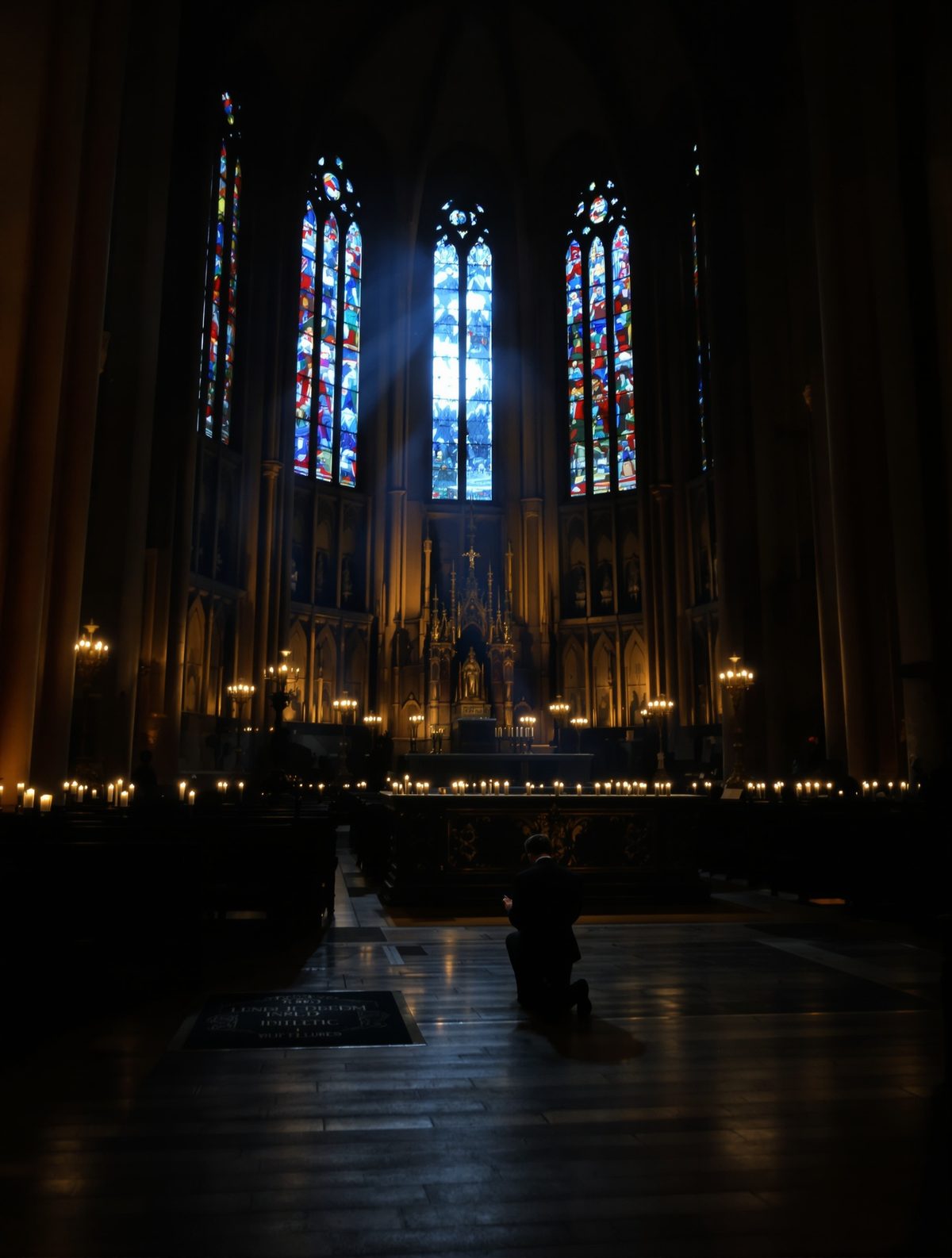
Archbishop of Canterbury Cosmo Lang had also arrived early that morning, coming to make final preparations for the most important service of his ecclesiastical career. What he discovered would remain etched in his memory forever. There, kneeling alone before the High Altar, was his king.
George VI was not merely present—he was deep in prayer, his lips moving silently as he practiced the sacred responses he would soon make before the world. The man who had fled from public speaking was here, alone with God, preparing to make the most public declaration of his life. The sight moved Lang profoundly, revealing a depth of spiritual commitment that transformed his understanding of this reluctant monarch.
Lang later wrote privately of his "deep emotion" at witnessing this moment of royal devotion. Here was no mere constitutional figurehead going through the motions, but a man genuinely grappling with the sacred nature of kingship. The Archbishop realized he was seeing something remarkable—a king who understood that the crown was not a privilege to be enjoyed, but a burden to be borne in service to others.
The two men reportedly spent several minutes together in quiet conversation and prayer. Lang offered words of encouragement and blessing, while the king shared his fears and hopes for the reign ahead. It was an intensely personal moment between monarch and prelate, one that would strengthen their partnership through the challenging years to come.
From Private Prayer to Public Glory
The coronation that followed was magnificent beyond description. Despite his nerves, George VI delivered his responses with clarity and dignity. The moment that had seemed impossible just hours earlier unfolded with precision and grace. The king who had knelt alone in the darkness now stood crowned before his people, transformed by his private communion with the divine.
Lang's sermon that day took on added resonance given what he had witnessed in the pre-dawn hours. Speaking of service and sacrifice, of duty willingly embraced rather than reluctantly accepted, his words carried the weight of personal knowledge. He had seen this king's heart laid bare in prayer.
The success of the ceremony marked a turning point for George VI. The confidence he found that morning—partly through his solitary vigil—would sustain him through the Second World War and beyond. The man who began his reign in terror would become one of Britain's most beloved monarchs, his genuine humility and dedication winning the hearts of his subjects.
That secret vigil in Westminster Abbey revealed the essential truth about George VI—that true kingship isn't about seeking power or glory, but about accepting responsibility with humility and grace. In an age when monarchy faces constant scrutiny and question, his example of service over self remains as relevant as ever. The crown may have been thrust upon him, but in that quiet moment before the altar, George VI truly made it his own.