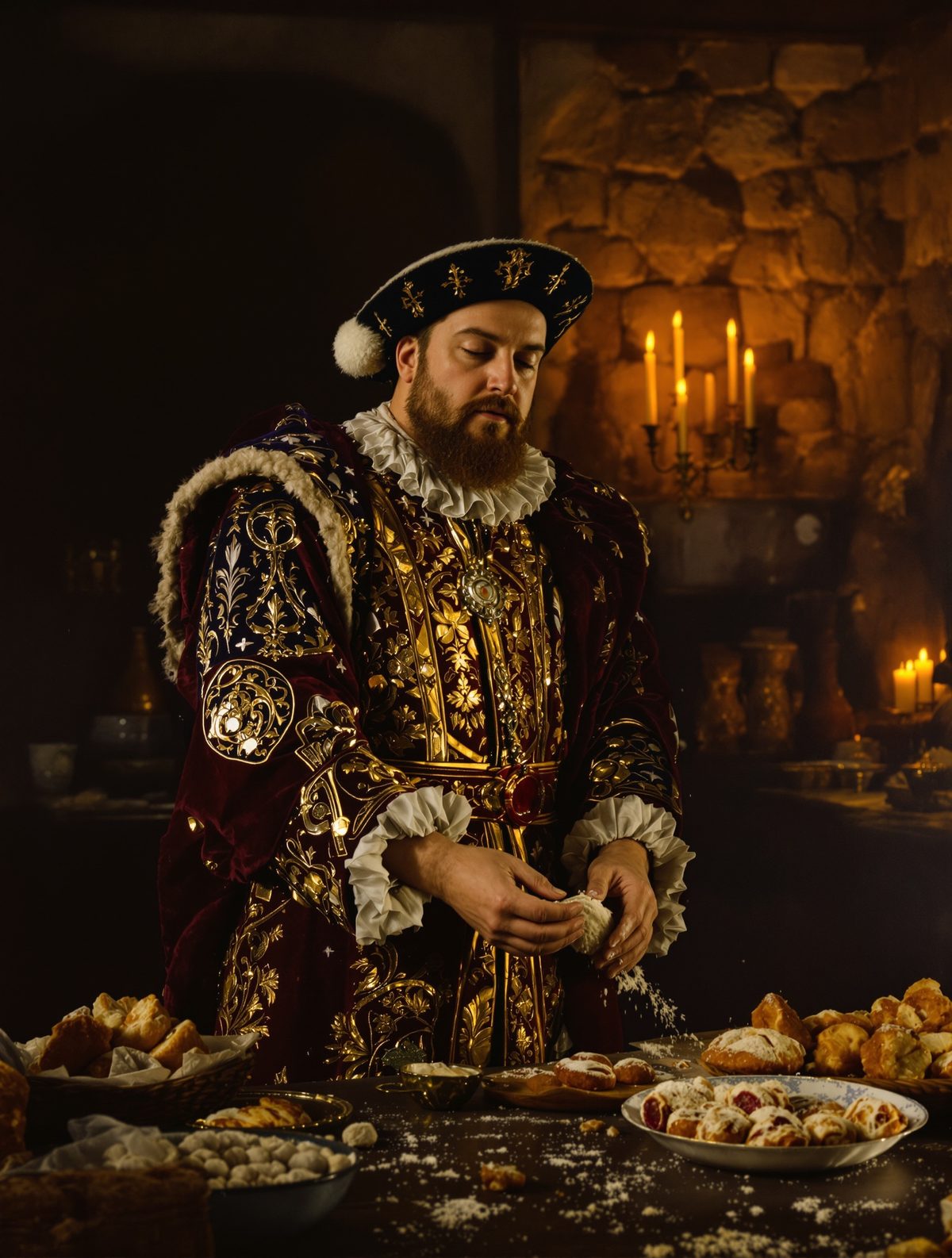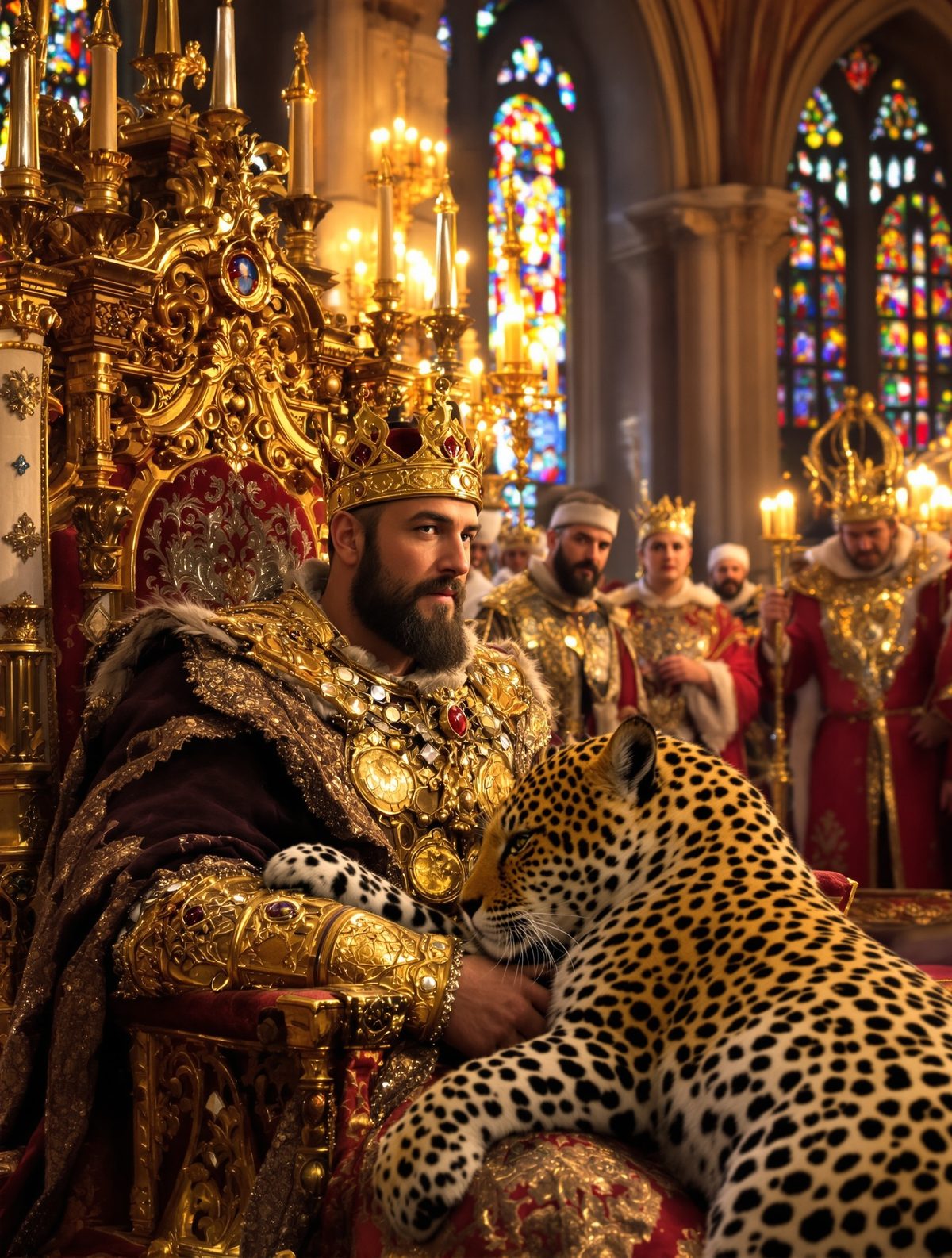
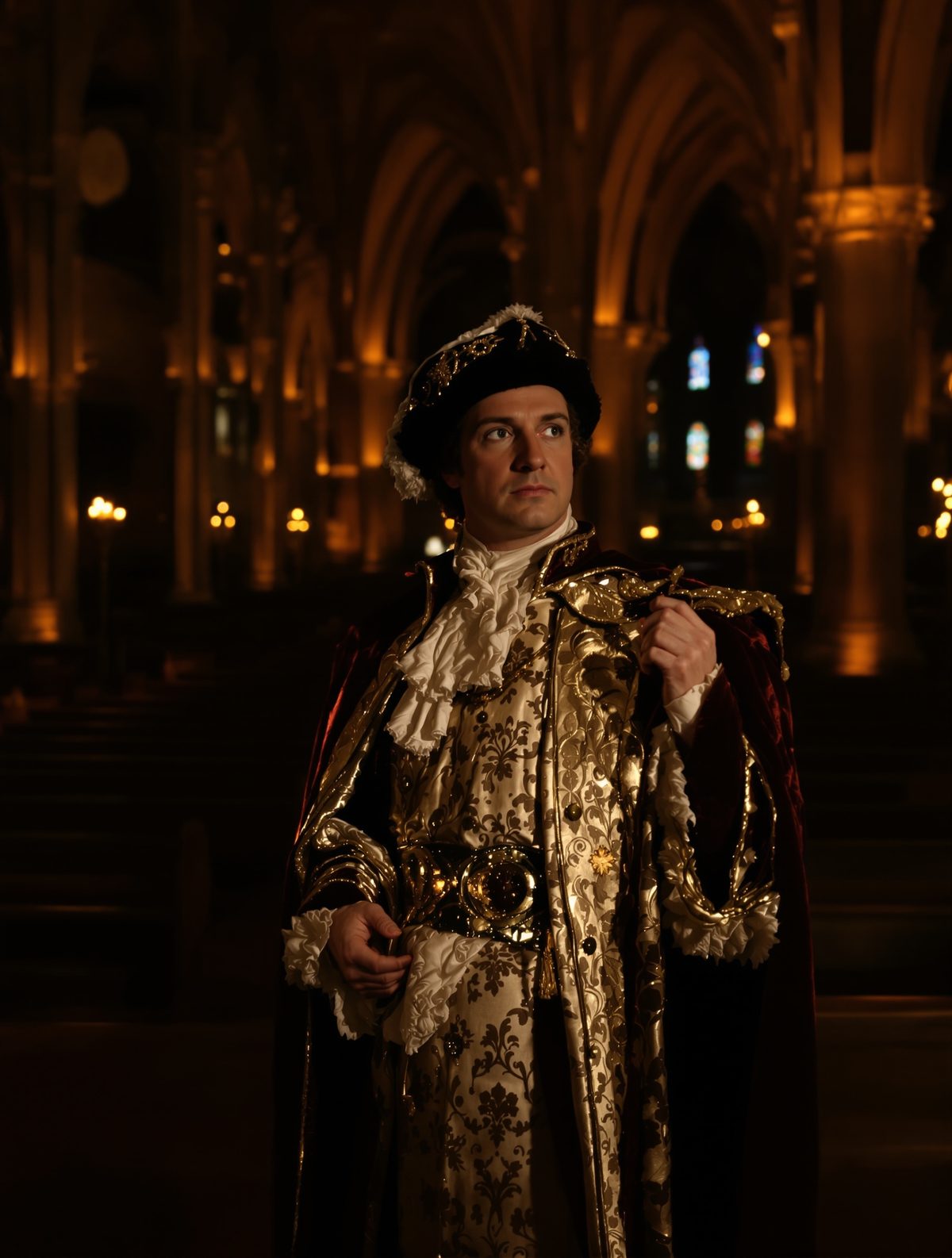
In the dead of night, just weeks before his coronation, King George II made a clandestine journey to Westminster Abbey. What palace guards discovered at 2 AM would become one of the most endearing secrets in royal history. There, in the hallowed halls where monarchs had been crowned for centuries, stood the future king in nothing but his silk nightgown, solemnly rehearsing his oath to rows of empty wooden pews.
This extraordinary scene, unfolding in the small hours of a chilly October morning in 1727, reveals a surprisingly vulnerable side to one of Britain's most complex monarchs. Behind the pomp and ceremony that would soon unfold before thousands lay a man wrestling with the weight of a crown he had never expected to wear so soon.
A Crown Unexpectedly Heavy
George Augustus, Prince of Wales, had not anticipated ascending to the throne when he did. His father, George I, died suddenly in June 1727 during a journey to Hanover, leaving his 43-year-old son to navigate the treacherous waters of 18th-century British politics with little preparation. The relationship between father and son had been notoriously strained—so much so that George I had banished his heir from court for several years following a bitter family quarrel.
Now, facing his coronation on 11 October 1727, George II found himself in the peculiar position of preparing for the most important ceremony of his life while still learning the intricacies of kingship. Unlike modern royals who undergo years of careful preparation, Georgian monarchs often ascended with little formal training in the elaborate rituals that would define their reign.
The coronation ceremony itself was a labyrinthine affair, filled with ancient traditions, precise movements, and sacred oaths that had evolved over nearly a millennium. Every gesture carried profound meaning, every word held constitutional significance. For a king already grappling with questions about his legitimacy as a German-born ruler of British subjects, getting it right was paramount.
A Midnight Mission to Westminster
Court records and contemporary accounts suggest that George II's anxiety about the upcoming ceremony had been building for weeks. The king, known for his mercurial temperament and passionate nature, was reportedly having trouble sleeping as the great day approached. It was during one of these restless nights, approximately three weeks before the coronation, that he made his extraordinary decision.
Slipping from his chambers at St. James's Palace, the king made his way through the darkened streets of London to Westminster Abbey. Whether he traveled alone or with minimal escort remains unclear from surviving accounts, but what is certain is that he gained entry to the great church in the dead of night, determined to familiarize himself with the space where he would soon be transformed from man to monarch.
Westminster Abbey at midnight in 1727 would have been a dramatically different place from the well-lit tourist destination we know today. Candles and moonlight filtering through the great windows would have cast dancing shadows across the stone effigies of long-dead kings and queens. The very air seemed thick with the weight of history—from William the Conqueror's coronation in 1066 to that of George's own father just thirteen years earlier.
In this atmospheric setting, wearing only his silk nightgown, George II began to rehearse. Palace guards, making their rounds in the early hours of the morning, discovered their sovereign standing before the altar, solemnly reciting the coronation oath to the empty nave.
The Human Heart Beneath the Crown
This remarkable scene illuminates the profound humanity that often lies hidden beneath royal ceremony. George II, for all his later reputation as a warrior king who would lead troops into battle at Dettingen, was in this moment simply a man overwhelmed by the magnitude of his responsibilities. The silk nightgown—a garment of vulnerability and intimacy—stands in stark contrast to the elaborate coronation robes he would wear just weeks later.
The choice to practice alone speaks volumes about the isolation inherent in monarchy. While courtiers and advisers could coach him on protocol during daylight hours, the ultimate responsibility of embodying the role fell to George alone. In the privacy of that midnight rehearsal, he could stumble over words, repeat difficult passages, and work through his anxieties without the watchful eyes of a court always ready to judge any sign of weakness.
Contemporary accounts describe George II as a man of strong emotions—quick to anger but also capable of deep feeling. His relationship with his wife, Caroline of Ansbach, was notably affectionate for a royal marriage of the era, and his devotion to his children was genuine. This emotional depth makes his solitary midnight practice all the more poignant. Here was a king who understood that the ceremony ahead would fundamentally change not just his public role, but his very identity.
When Dawn Broke on Royal Duty
The guards who discovered George II in the early hours of that October morning were reportedly at a loss for how to respond. Protocol dictated certain behaviors in the royal presence, but no manual existed for encountering one's sovereign in his nightclothes, practicing sacred oaths in an empty church at 2 AM. According to palace records, they withdrew discreetly, allowing the king to complete his unusual rehearsal in private.
When the actual coronation day arrived, those who had witnessed George II's midnight practice noted his composure and confidence during the ceremony. The king who had stumbled through the oath to empty pews now delivered it with conviction before a congregation that included peers of the realm, foreign ambassadors, and representatives of the Church. His voice carried clearly through the abbey, and his movements displayed the dignity befitting his station.
The coronation of 1727 was judged a great success, marked by elaborate pageantry and genuine celebration. George II had not only mastered the ceremony but had grown into the role itself. The transformation from the anxious figure in silk nightgown to the crowned king radiating authority was complete.
Perhaps most remarkably, the story of that midnight rehearsal remained largely within palace circles for years, emerging in memoirs and court histories only much later. It became, in time, one of those humanizing details that endear historical figures to later generations—proof that even kings must sometimes practice being royal.
Today, as we watch modern royals undergo years of careful preparation for their roles, George II's solitary midnight rehearsal reminds us that the fundamental challenge remains unchanged. Whether in 1727 or 2024, the transformation from private individual to public symbol requires not just ceremony and training, but the courage to stand alone before history and accept the weight of a crown. That image of a king in his nightgown, rehearsing sacred words in the darkness, captures something eternal about the lonely burden of sovereignty—and the very human determination to rise to meet it.