There are moments in history when even the most structured formality bows to the rule of humanity. The scene was small: a queen, a fireman, and a village saturated with grief. Yet it spoke volumes about a monarch, her people, and an era defined by resilience. In October 1966, amidst the shattered dreams of a Welsh mining village, Queen Elizabeth II made a decision that transcended protocol and spoke directly to the heart of her realm and its subjects.
A Nation in Mourning
The tragedy that befell the village of Aberfan on that quiet morning of October 21, 1966, was a catastrophe that would leave deep scars across the community. A colliery spoil tip, loosened by heavy rains, collapsed onto Pantglas Junior School and the surrounding houses. In the space where laughter once echoed, silence and sorrow now loomed large. One hundred and sixteen children, along with twenty-eight adults, perished in the mud. The hearts of families shattered, and a ripple of grief washed over the nation.
For the royal family, known for its steadfast duty, this was more than just an occasion to express sympathy; it was a call to action. On the ground, rescue workers toiled with singular determination, searching for signs of life amid the debris. Among them was a fireman who would later become a central figure in one of the most poignant royal tributes of that time. Eight days later, Queen Elizabeth II’s visit to the village would become a signature marker of her reign — a testament to the quiet, steady connection she shared with her people.
The Visit
Upon hearing of the tragedy, the Queen faced a decision. The duty of a monarch extends beyond words of comfort, venturing into the realm of presence and solidarity. When she arrived at Aberfan on October 29, the day was chilled more by sorrow than by its autumn temperatures. Wearing a somber coat and hat, she chose not to keep her distance. This visit was marked not by pomp and circumstance but by shared humanity.
As she moved through the village, her composure, usually resolute, seemed to soften. It is often commented that the Queen's greatest gift was her ability to listen, whether to heads of state or her subjects. On this day, she listened to the anguished stories of survivors and mourners, unspoken words carried on the shoulders of those who could only stare into the void.
The Moment
There was a fireman, part of the rescue effort since that fateful day, who worked tirelessly among ruins and despair. He, like the others, was bruised not only by the physical toll of the work but by the emotional weight of each lost life. This was the man whom Queen Elizabeth II approached, pulling up a chair amidst the chaos.
Without the customary entourage, without ceremony, the Queen sat beside him. Such moments are rare and define a monarch’s unique relationship with her subjects. It is said that the Queen did not speak for a long time. Silence, in this setting, was not an absence of words, but a powerful presence. Finally, when she did speak, it was with empathy wrought from nearly two decades of experience on the throne.
Their conversation was not recorded in full detail, but the recollections suggest she spoke of shared sorrow, survival, and the trials of tackling unintended disasters. For the fireman, it was a moment of respite amid chaos — not merely a recognition of the work they had done, but also validation, a connection more profound than any formal accolade could offer.
A Lasting Impact
Queen Elizabeth's visit wasn't just a moment of consolation for those directly impacted by the disaster; it resonated throughout the United Kingdom, bolstering a collective sense of solidarity. Her action was a significant step in evolving how the monarchy interacted with its subjects, bringing a touch of humanity that many would seek to emulate thereafter.
The Queen’s subsequent visits to Aberfan — she would return to the village several times — underscore a commitment beyond the ceremonial. Her compassion, devoid of spectacle, remains a powerful illustration of her dedication to her people, a subtle thread woven into the vast tapestry of her reign.
Legacy of Compassion
Today, Queen Elizabeth II is remembered not only for the grandeur of her rank but for the moments that defined her kinship with her people. The memory of Aberfan serves as a poignant reminder that leadership is often best expressed in acts of kindness, in listening more than speaking, in stepping into another’s sorrow with grace and understanding.
In an age where the spotlight seems brighter than ever before, her legacy of quiet dignity and empathy offers a guidepost to those who follow in her footsteps. The night Queen Elizabeth II sat beside a grieving fireman stands as a testament to the enduring human spirit she so quietly championed. A decade from now, as new generations learn of the trials and triumphs of the British monarchy, it will be these stories — born from darkness, imbued with courage — that continue to illuminate our path.
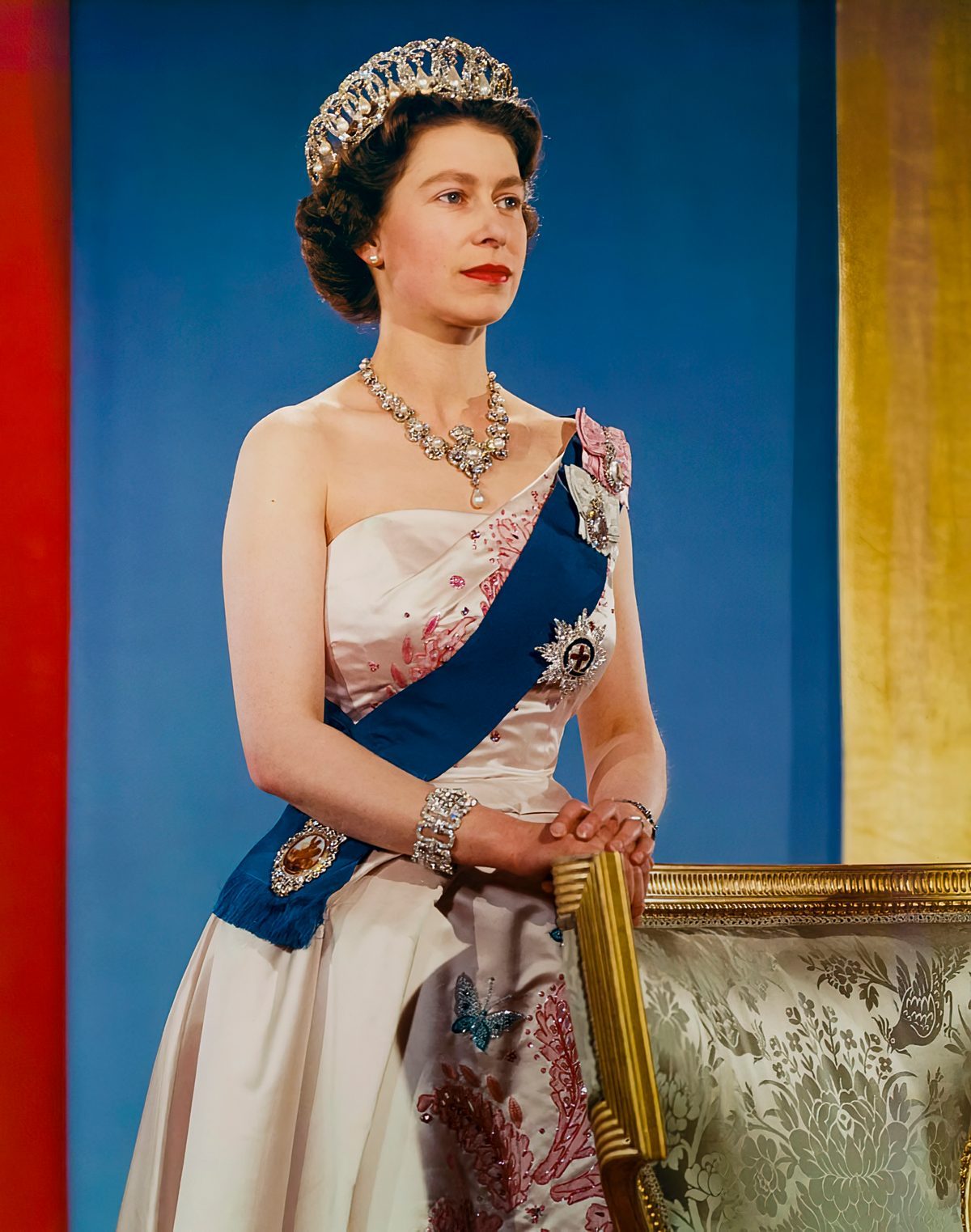
📷 Photo: Donald McKague. Public domain via Wikimedia Commons.