It was a typical Tuesday morning in 1991 as London bustled with its early commuter rush when a slightly inconspicuous vehicle pulled up to the imposing facade of Great Ormond Street Hospital. In a move that neither the staff nor the patients would soon forget, out stepped Diana, Princess of Wales, sans the ceremonial trappings usually expected of royalty. Dressed in casual jeans and a simple blouse, her unassuming entrance was as surprising as it was profoundly human. Neither tiara nor gown adorned her, yet her presence dazzled more than any crown could.
A Princess in Denim
In a world where pomp and circumstance often shadow the genuine essence of the British monarchy, Princess Diana’s visit to Great Ormond Street Hospital was a poignant reminder of her capacity for compassion and understanding. Known affectionately as the 'People's Princess', Diana had honed a reputation for transforming royal duties into heartfelt missions, engaging with those in situational obscurity with genuine empathy.
Without the entourage typical of royal visits, Diana’s solitary arrival was both unexpected and profound. Hospital staff, upon seeing her, initially assumed she had taken a wrong turn. Royal protocol suggested she should have entered via the formal entrance, where the obligatory photographs and carefully orchestrated appearances would follow. But Diana had other plans. Her quiet query for the loneliest children in the hospital ward sent ripples of amazement through the usually reserved corridors, leaving those who witnessed it in contemplative silence.
Compassion Over Ceremony
What makes this visit so remarkable was its deliberate simplicity. Diana could have chosen to send a bouquet or offered a generous donation, both gestures well within her royal prerogative. Instead, by choosing to appear in person, she underscored her belief in the power of human connection. She read stories to children who had no one to comfort them, offering warmth and kindness in place of prescribed royalty duties.
Her choice of attire was emblematic of her approachability. Denim, though casual, was a stark contrast to the lavishness expected of a princess. Through this simplicity, Diana communicated a powerful message: that empathy requires no embellishment. It was not an oversight nor a ax absentminded choice but a deliberate step towards breaking barriers between royalty and commoners.
Pioneering a New Wave of Royal Duty
The early 1990s marked a transformative period for the British monarchy, influenced in no small part by Diana's innate ability to connect with people from all walks of life. At a time when the monarchy was often viewed through the prism of tradition and aloofness, Diana's actions ushered in a new era—one that aspired to bridge the refined with the relatable.
Moreover, Diana’s interaction with the children of Great Ormond Street spotlighted the royal family's potential to impact lives on a deeply personal level. While her visit was unassuming, the message it sent was resounding. It encouraged the broader royal institution to consider the profound impact of personal connection over public spectacle.
A Legacy of Love and Legacy of Healing
This visit was not just an isolated event; it was emblematic of Diana's broader legacy. Her patronage of causes concerning vulnerable populations led to increased public awareness and support for initiatives far beyond the boundaries of Great Ormond Street. Her touch of humanity extended beyond the hospital wards into broader societal challenges, where her advocacy for the displaced and disenfranchised uplifted countless souls.
Through her authentic interactions and her defiance of convention, Diana redefined royal engagement with the public. Her ability to foreground empathy and action over procedure continues to resonate within the royal family's charitable endeavors and personal gestures today. The indelible warmth she left on that quiet morning speaks to a timeless virtue: that a compassionate approach to power ought to be lasting.
The Enduring Impact
As we reflect on Diana’s visit to Great Ormond Street Hospital, it is evident that her contributions continue to influence both present and future royal engagements. Her choice to forego traditional forms of royal interaction in favor of direct and meaningful acts set a benchmark not only for the monarchy but for humankind's shared sense of duty.
In today's rapidly evolving world, where the role of the monarchy is often questioned, Diana’s legacy serves as a potent reminder of the monarchy's potential as a force for good. The unassuming queen of hearts left an enduring footprint that has elevated the emotional intelligence of royal engagements.
Our modern royals follow in the footsteps paved by Diana, championing mental health, children's welfare, and environmental sustainability with renewed vigor. It's a legacy that binds the past to the present, echoing not just in palaces, but across the hearts and communities she touched.
The morning that Princess Diana walked into Great Ormond Street Hospital in jeans—without a crown or gown—was a landmark moment, quietly powerful and endlessly inspiring. It was royal in its essence yet profoundly human, a moment that transcended the ordinary and dwelled in the extraordinary empathy of a mother, a patron, a princess, and above all, a compassionate human being.
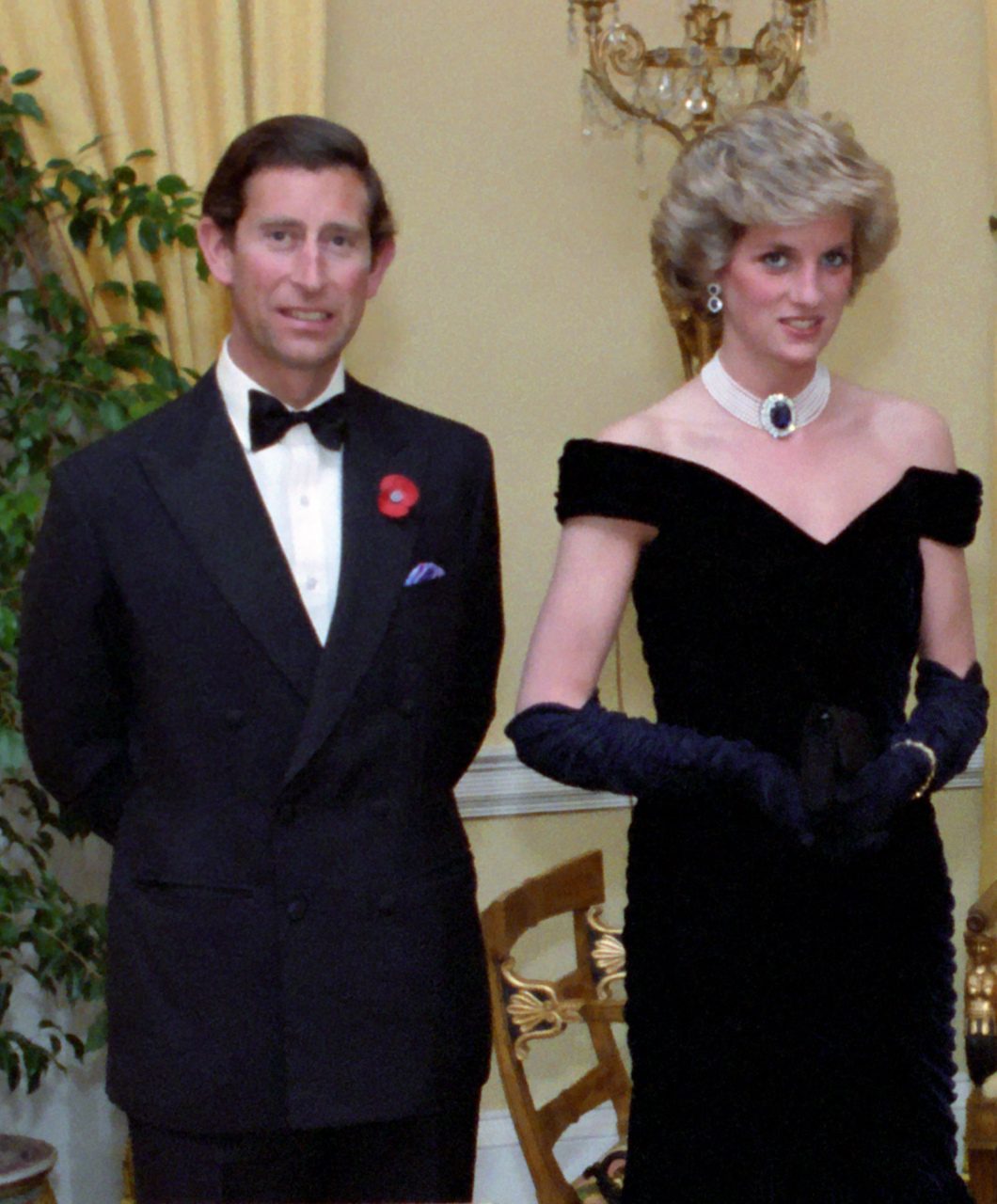
📷 Photo: Series: Reagan White House Photographs, 1/20/1981 - 1/20/1989 Collection: White House Photographic Collection, 1/20/1981 - 1/20/1989. Public domain via Wikimedia Commons.