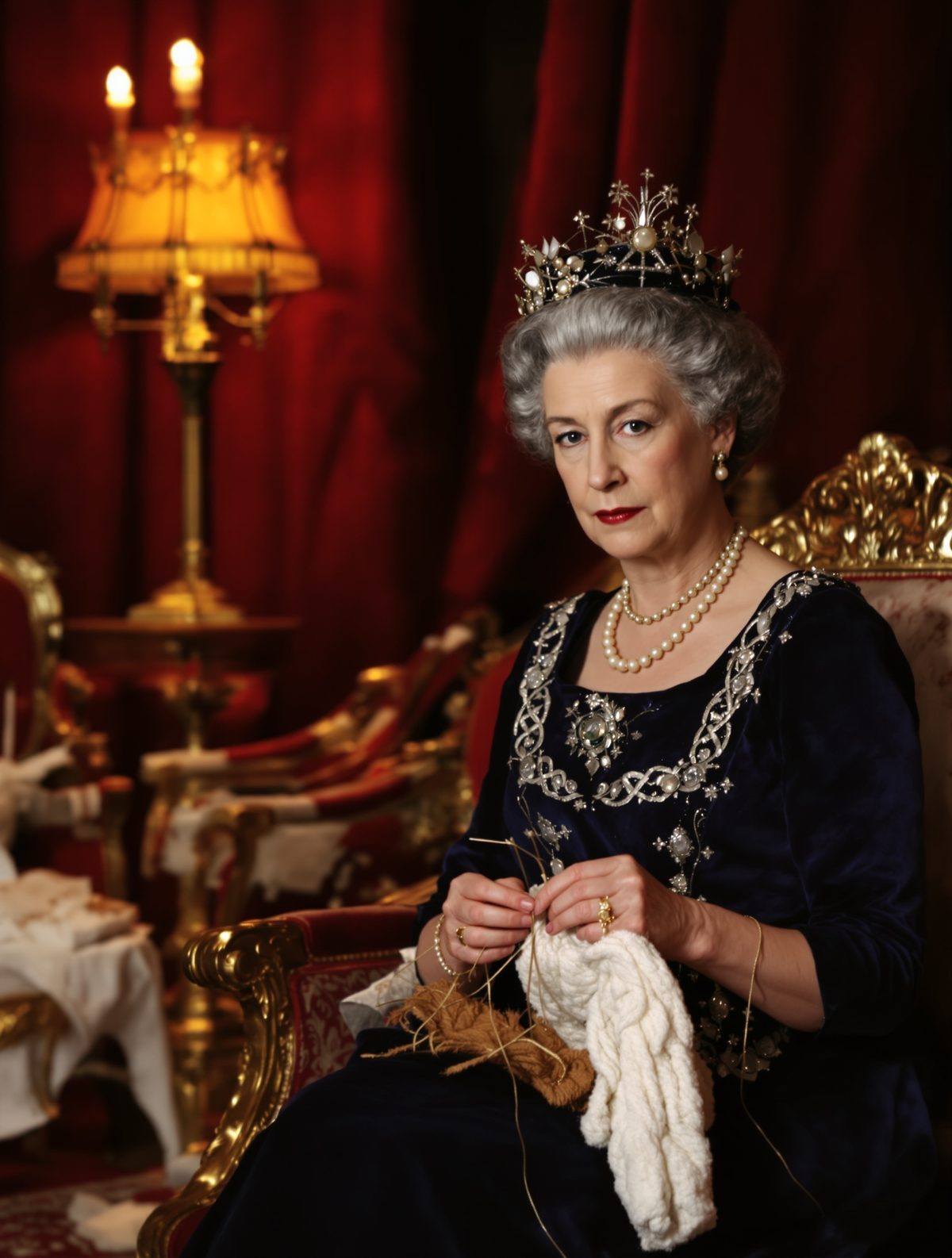
In December 1936, the heart of the British Empire throbbed with uncertainty and unease. Less than a year after ascending the throne, King Edward VIII relinquished his crown, choosing love over duty, and thrusting his family and the nation into an unprecedented crisis. As the dust settled, the British public turned their eyes to the steadfast symbols of stability they had always known. Just days after Edward's abdication, Queen Mary, now the mother of the reigning monarch, emerged before the public eye not draped in the somber hues of mourning, but clothed resplendently in sapphire blue, crowned with glistening diamonds. Her attire was more than mere fabric; it was a beacon of resilience and continuity that assured a shaken nation its monarchy would endure.
The Unseen Hand Behind the Throne
Queen Mary of Teck was no stranger to the seismic shifts within the royal household. Born into a lineage of European royalty, she was schooled in the arts of grace and diplomacy. Throughout her life, she had borne witness to her share of royal turbulence, from the fall of dynasties to the upheavals of war. Her reticent yet formidable presence behind King George V had sustained the British monarchy through turbulent times, shaping her understanding of the Crown's solemn responsibilities.
In the wake of Edward VIII’s abdication, Queen Mary's poise became an even more critical asset. The monarchy faced a crisis unparalleled in modern times. By appearing publicly and purposefully in vibrant attire, Queen Mary communicated a critical message. This was not a time for the monarchy to appear shaken or broken; instead, it was a moment to underscore the strength and resilience of the institution she so dearly cherished.
A Deliberate Choice of Sapphire and Diamonds
Queen Mary's decision to don a sapphire gown was no mere accident of wardrobe. The color blue has long been associated with tranquility, trust, and wisdom — qualities desperately needed in a time of royal unsettlement. The diamonds she wore, sparkling with lively fire, symbolized endurance and invincibility, attributes she embodied with unwavering dignity. Her ensemble that day was a silent yet powerful declaration of her steadfast commitment to the role she had always dutifully served.
The choice to layer herself in pearls, a selection she often favored, further underscored a connection to the constancy she represented. Pearls, with their timeless beauty and subtle luster, mirrored her own aspirations for the enduring dignity of the Crown. These were the elements of visual rhetoric, a language of attire chosen with calculated intention — not just for the fashion courts of Britain, but for a national audience in need of assurance.
The Power of Silent Strength
Although never expected to be the focal point of public attention, Queen Mary understood the symbolic power she could wield with silent grace. Her appearance was a comfort not merely because of its beauty but because of the indefatigable strength it represented. To a nation grappling with the idea of a king choosing personal happiness over royal duty, Queen Mary's visuals signaled continuity, reminding them of the monarchy’s deep-rooted traditions of service and stability.
The weeks following Edward's abdication saw Queen Mary doubling down on her royal engagements, her presence a constant reassurance amidst a continental backdrop of political unrest and looming shadows of war. She materialized not just as the mother of a new king — George VI — but as the spiritual matriarch of a nation in need of healing. Her public outings, marked by unyielding resolve and emblematic attire, were indeed a masterclass in performing the duties of the Crown with grace.
Legacy of Resilience for Future Generations
Queen Mary's sartorial milestone in December 1936 marked more than a transitional period in the annals of the British monarchy; it established a legacy of resilience carried forward by future generations of royals. Her actions laid a foundation of strength and duty upon which her successors would build their own responses to personal and public trials. In an era when the very notion of monarchy was questioned worldwide, her deliberate display of elegance and authority reaffirmed the enduring relevance of the British Crown.
Today, as the monarchy navigates its own contemporary trials, Queen Mary's unwavering spirit remains an inspiration. Her choice to appear not with a bowed head but with artful defiance in sapphire and diamonds stands as a testament to the power of leadership through times of challenge. The tale of the gown she wore is a timeless reflection of her dedication and the enduring fabric of tradition she helped to stitch through resilience and fortitude.
For admirers of the royal heritage, Queen Mary’s symbolic act is a poignant reminder of the indomitable spirit that defines the British monarchy. Her decision then resonates today — a vivid illustration of the quiet strength and courage that has, time and again, uplifted the monarchy from the brink of crisis into the future, ever full of regal promise and unwavering devotion to duty.
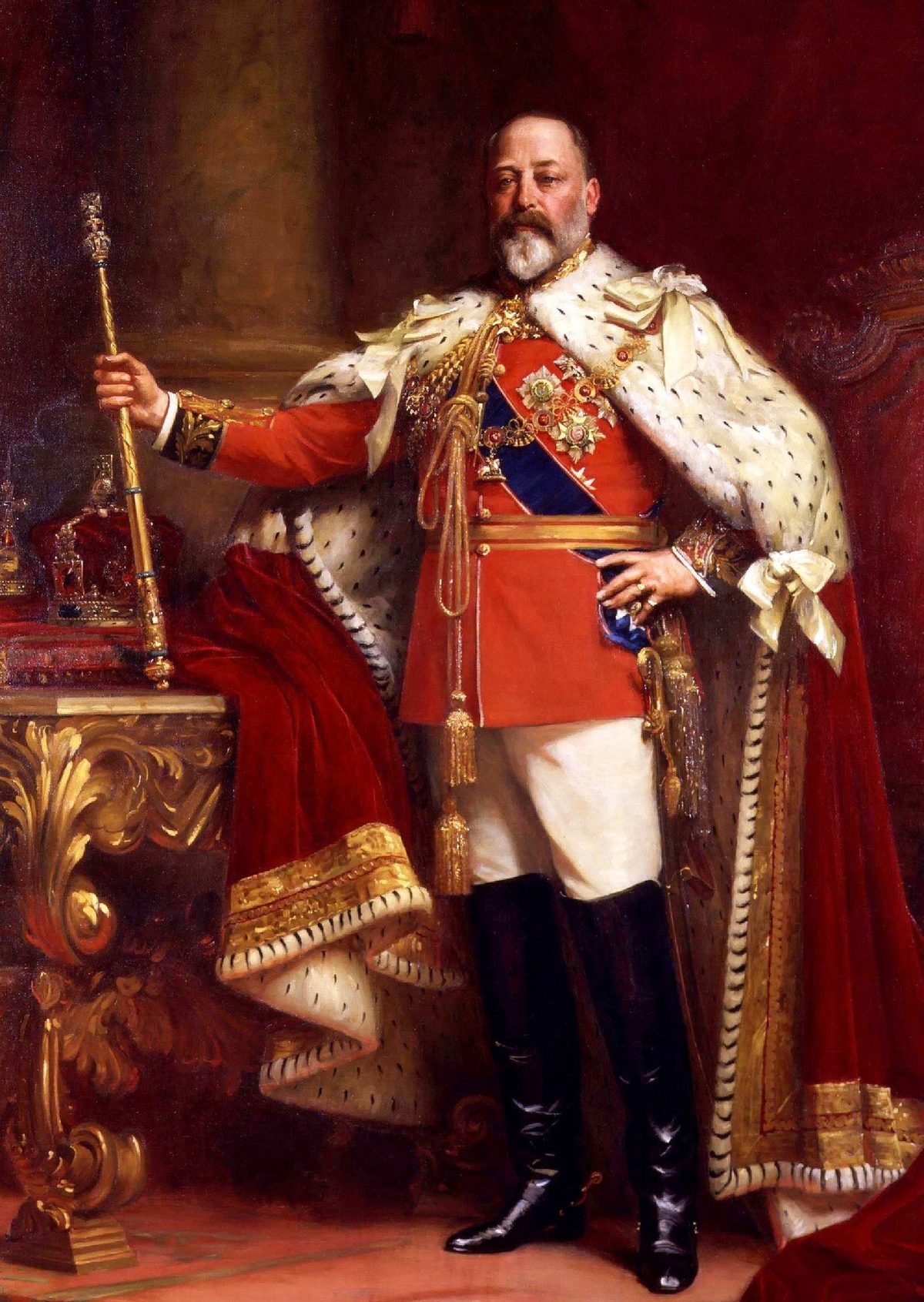
📷 Photo: Luke Fildes. Public domain via Wikimedia Commons.