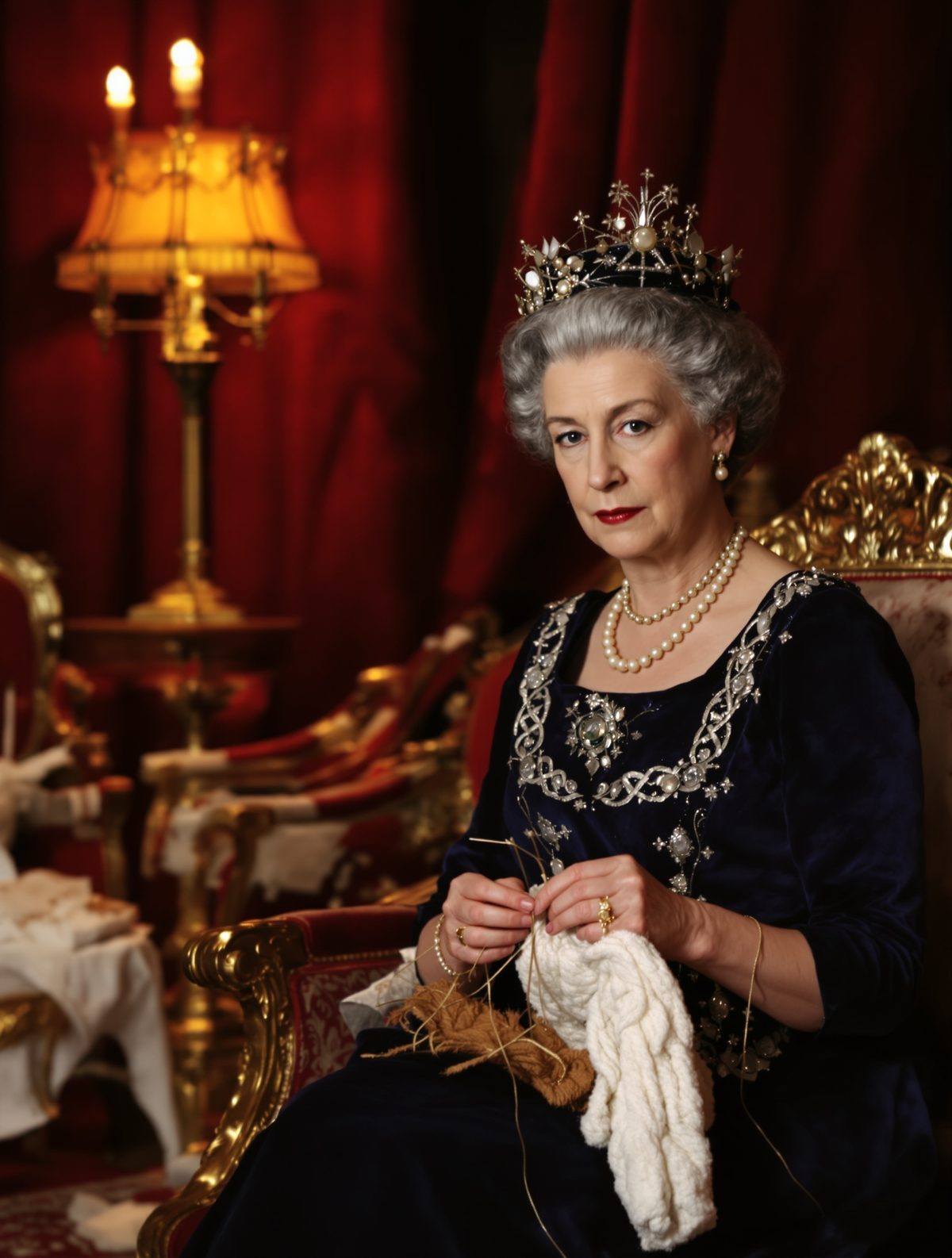
While her husband commanded a nation at war, Queen Mary was fighting her own secret battle with knitting needles. Behind closed palace doors, she was orchestrating a covert operation that would reach the muddy trenches of the Western Front.
The Queen's Wartime Transformation
As the war drums echoed across Europe in 1916, the halls of the British royal palaces were far from immune to the tensions and turmoil of the time. Amidst these grand settings, it was Queen Mary who recognized the power in small acts of compassion. The queen, typically seen as the epitome of regal elegance and steadfast duty, was compelled to aid the war effort in a more personal and tangible way. Her journey began within the confines of the palace but extended its threads across the battlefields of France.
Unbeknownst to many, Queen Mary took the art of knitting quickly and quietly. She saw this craft not just as a pastime but as a lifeline for the countless soldiers facing the relentless hardships on the front lines. Much like her husband, King George V, who was diligent in his leadership, Queen Mary was meticulous in her mission, equating each stitch with a soldier's comfort amidst the frigid conditions of wartime Europe.
Knitting in the Royal Shadows
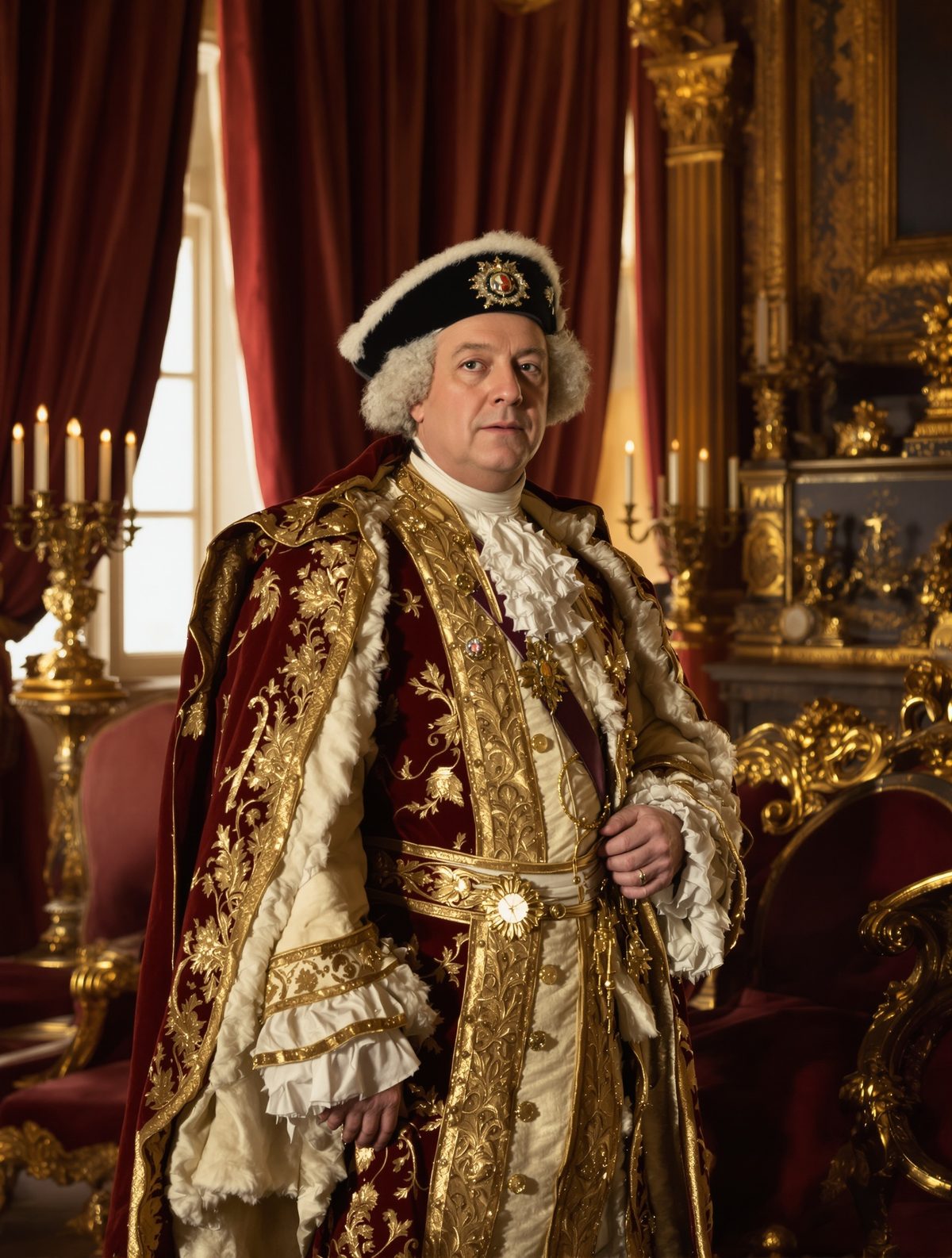
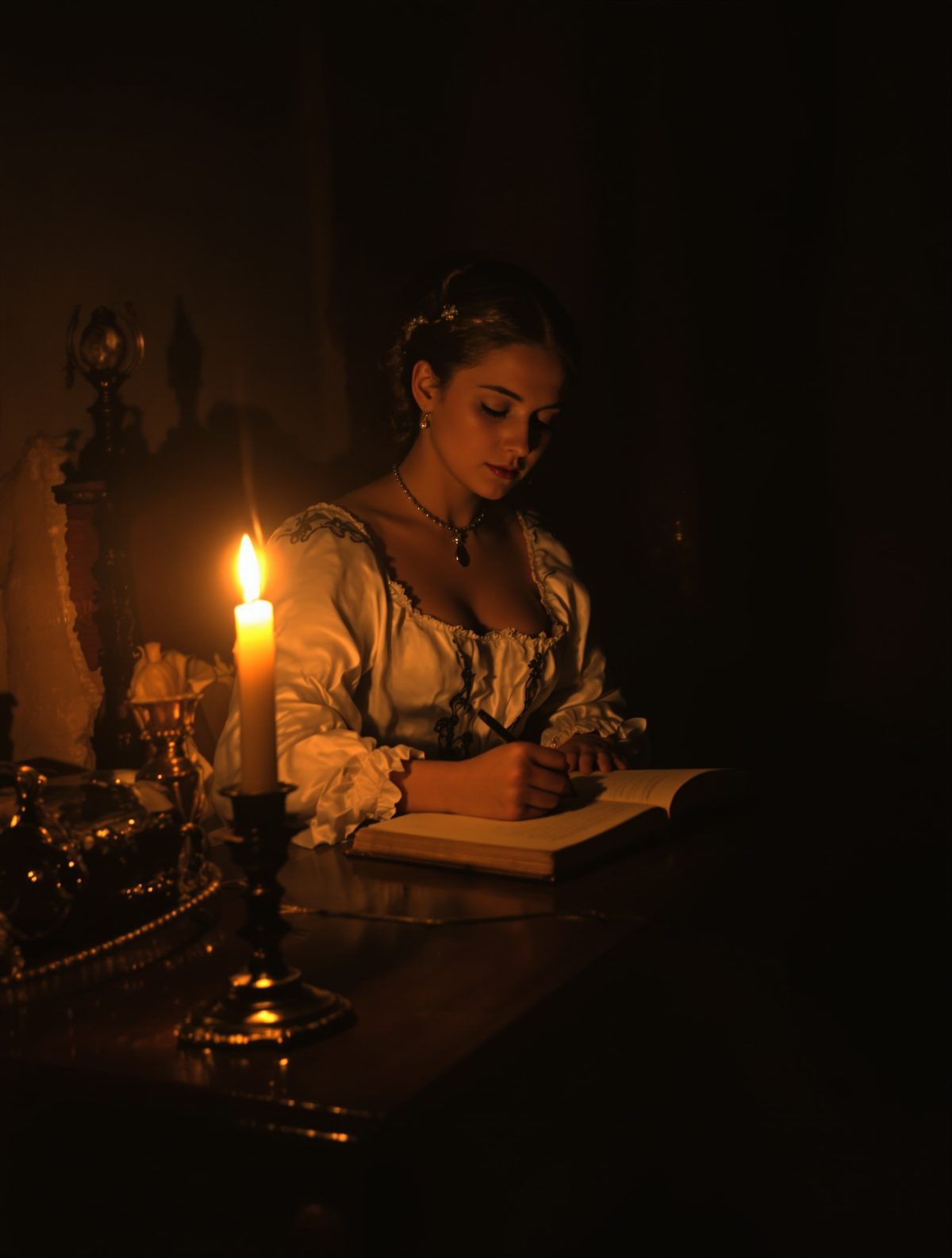
The image of Queen Mary, adorned in her ornate gowns and jewels, might seem an odd one to intertwine with the practical, homespun activity of knitting. Yet, she skillfully balanced her royal duties with her covert crafting sessions. Often under the glow of moonlight or in the solitude of her private chambers, Queen Mary fervently worked the needles.
Her instrumental role extended beyond her personal needlework. Inspired, she discreetly mobilized the palace's servants into a nocturnal knitting circle. Bound by a shared purpose, this group operated in utmost secrecy, each member aware of the significance of their contribution. As needles clicked in harmonious cadence, bonds were stitched amongst these palace aides, all under the Queen's benevolent guidance.
These unsung heroes of the royal household worked diligently, their crafted creations a testament to collective spirit and royal leadership. The Queen's knitting circle quickly became an adept production line, churning out hundreds of socks, scarves, and mittens which promised some solace to soldiers enduring the icy climes of the trenches.
A Lifeline to the Frontlines
The woolen goods produced inside palace walls bore more than just the warmth of wool; they carried the warmth of sincere support. Each piece woven inside the secretive circle carried an implicit promise of care from the monarchy to its brave soldiers. It was not uncommon for a soldier to find a note tucked within these tokens of warmth, a gentle reminder of the kingdom's thoughts and prayers.
As these knitted goods made their way from royal halls to the frozen fields of France, they were met with heartfelt gratitude. Descriptions of these small but mighty comforts often made their way back in letters from soldiers to their families. "It means the world," some would write, as foot soldiers faced the grim realities with reinforced resolve, warmed by Queen Mary's quiet endeavor.
The Royal Legacy of Compassion
Queen Mary's clandestine knitting operation is more than a footnote in the annals of royal history. It is a profound example of empathy meeting practicality—a rare blend of personal duty transcending formal obligations. Her efforts might seem like a drop in the ocean of wartime struggles, yet they remind us of the ripple effect small acts of kindness can have during tumultuous times.
This regal endeavor's legacy is not merely stitched in fabric but is woven through the enduring spirit of duty and care. Queen Mary's knitting circle reaffirms the monarchy's potential to lead not just with authority, but also with heart, compassionately knitting the social fabric that binds Britain together.
Connecting Past and Present Threads
While the world of royals today may appear vastly different, with digital media and global audiences forming the threads of modern interaction, Queen Mary's knitting tale remains timeless. Her commitment to the war effort through seemingly humble means speaks to a universal truth: every act of kindness matters, regardless of scale or circumstance.
In today's bustling world, we are reminded that our individual threads, when woven together, can create a tapestry of collective support and resilience. Queen Mary's legacy lives not just through history books but in the enduring spirit of service, reminding us all that it is often the quietest acts that leave the most profound imprints.
Thus, while pomp and ceremony remain key elements of the royal panorama, the quiet endeavor of a queen with knitting needles by candlelight continues to inspire—a testament to the monarchy's unwavering commitment to serving, nurturing, and, ultimately, knitting together a nation in times of need.