Rome, summer of 1949. As the sun set over the Eternal City, gilding the ancient ruins and cobblestones with its amber glow, a singular figure emerged on a palace terrace. Princess Margaret, just 19 years young, captivated the Roman audience not only with her presence but also with her audacious fashion choice—an ivory evening gown that seemed to possess the power to pause time itself. The Italian press, and indeed society at large, collectively held their breath. British dignity mingled with European elan, and the effect was spellbinding.
A Princess Who Knew Her Power
Princess Margaret, younger sister to Queen Elizabeth II, was already earning a reputation as a fashion icon. Unlike her more conservative elder sister, Margaret relished in pushing the boundaries of royal fashion. Her visit to Rome in 1949 was highly anticipated, as was customary for any member of the British monarchy embarking on international engagements. Yet it was Margaret's choice of attire for an evening soiree that truly captured the imagination.
The gown, created by the legendary London designer Norman Hartnell, known for dressing British royals, was not in itself a radical piece—however, its presentation on a young royal was groundbreaking. Strapless and sinuously cut, the dress skimmed elegantly over her frame, secured with subtle mastery and intricate detailing that spoke volumes of Hartnell’s skill. It was a true embodiment of Margaret's youthful spirit—effortlessly glamorous yet retaining a regal grace that transcended words.
The Setting: Rome in 1949
Post-war Rome was a vibrant tapestry of rebirth. As the city emerged from the shadows of conflict, it was a place where ancient traditions met modern renewal. The Roman elite were adept hosts, known for their lively gatherings that merged tradition with contemporary style. Princess Margaret's visit was more than a diplomatic mission; it was a cultural exchange, a chance for the young Princess to represent the British royal family amidst this collision of old and new.
The terrace scene was a quintessential Roman affair, complete with the fragrance of blooming flora and the melodic hum of local music. The Italian social circle was known for its keen appreciation of fashion and art. Yet, on that particular night, it was Princess Margaret who stole the spotlight. Her enviable confidence and poise communicated as much as the dress itself did.
The Gown that Turned Heads
The design of the ivory gown was an ode to simplicity yet spoke volumes in its subtle audacity. Strapless dresses were not unheard of, but they were far from typical royal attire. For the onlookers, it was a bold statement of modernity versus tradition. In a single moment, Margaret effortlessly merged an archaic nobility with the breath of a fresh era.
And the critiques were relentless—but not in the way one might expect. The Italian newspapers, seasoned in critiquing glamour, offered breathless admiration. Headlines marveled at this artful blend of daring and dignity. The style elders, who often assessed one's social steadiness more than their elegance, found themselves bewitched by Margaret's display of discreet boldness. The creation was featured in fashion publications across Europe. It was confirmation that the young Princess had not only arrived but had asserted her standing as a force in the high-fashion community.
The Human Story Behind the Fashion
Mere textiles, no matter how finely spun, would never have achieved such glory without Margaret's ability to wear them. From a young age, she was known for her charm and spirit, ever ready with a quip or laugh that endeared her to many. The gown and its diplomatic success laid in her understanding of fashion as an extension of identity and influence, an outlook that was practically revolutionary for a royal at that time.
It was also a statement of youth. At just 19, the Princess was stepping firmly out of the shadow of post-war austerity. Her radiance offered a portrait of the monarchy as adaptable, contemporary, and intriguing. Margaret knew her standing and wielded her fashion choices like an ambassador, stitching together relationships with a needle and thread as refined as the gown she wore.
Legacy of a Daring Princess
In years to follow, Princess Margaret would continue to navigate and needle the constraints of royal expectation with her inimitable style, often being both adored and scrutinized. Yet that Roman summer night lingered as a particular testament to her remarkable presence. It marked the beginning of her transformative journey from princess to fashion trailblazer, a biographical footnote in her broader legacy defined by audacity and allure.
Today, Princess Margaret's legacy manifests in the way contemporary royals keep redefining their roles, embracing elegance intertwined with personal identity while respecting royal tradition. The path she traversed continues to inspire members of the House of Windsor as they balance the enduring allure of the crown against the world’s evolving expectations.
Her moment on that Roman terrace was but a single chapter in a royal life cloaked in chiffon and sepia-toned glamour. Yet it poignantly underscores how a seemingly simple piece of clothing can ripple through time, nourishing the dreams of a world always eager for the regal, the bold, and the irresistibly elegant.
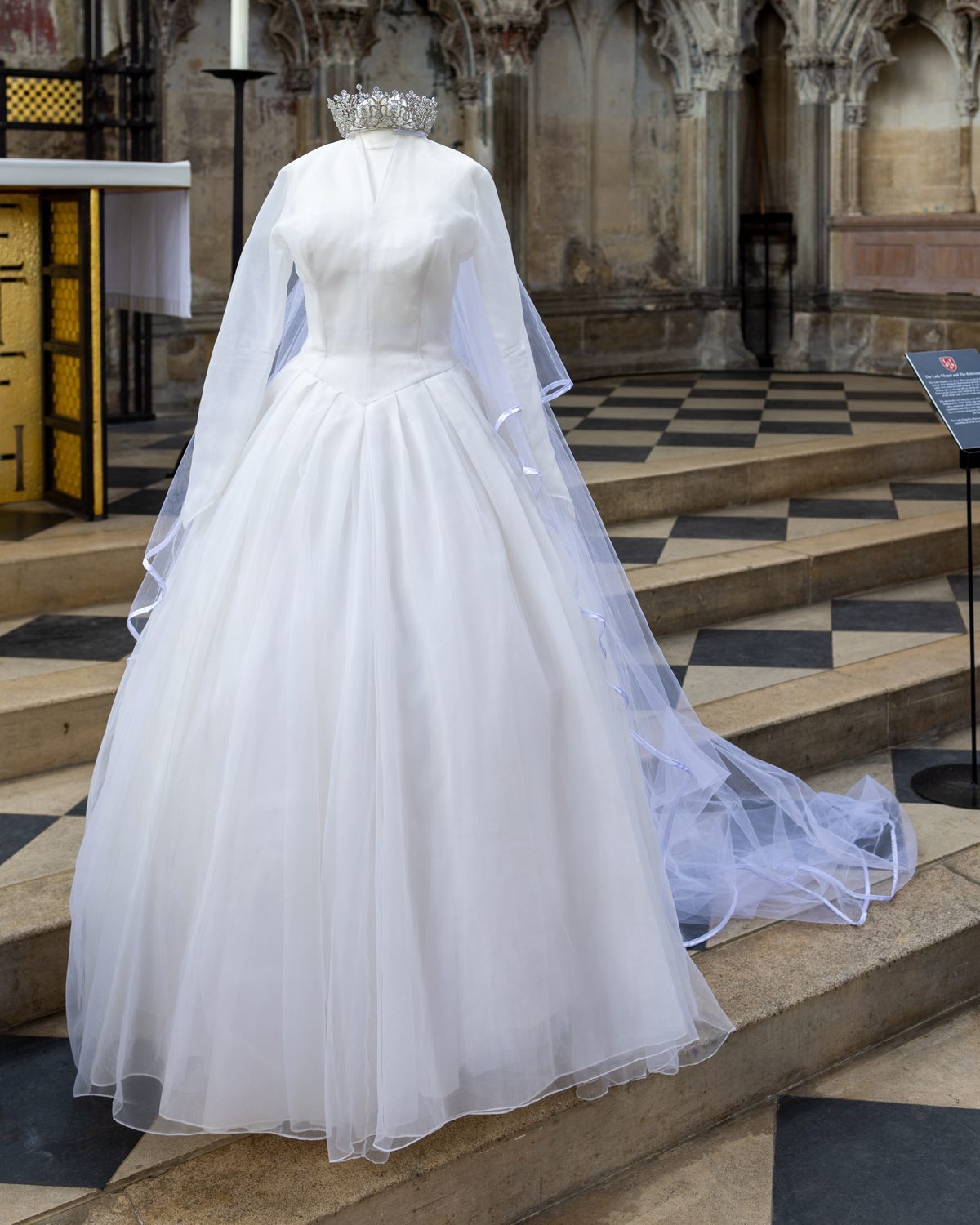
📷 Photo: The wub. CC BY-SA 4.0 via Wikimedia Commons.