In the murky depths of 1917, as the First World War exacted its relentless toll on families across Britain, one mother's hope was reignited by an unexpected gesture from the heart of the monarchy. Her despair was punctuated by the silence that accompanied her son's disappearance, a vacuum that seemed unfillable. Yet, of all the letters Queen Mary received, one reply written in her own hand brought solace and revealed a queen's quiet compassion beyond the throne's ornate trappings.
A Mother’s Desperate Plea
The war's oppressive shadow touched every family, with news from the front line often offering only heartbreak. In Lancashire, Alice Thompson was no exception. Her son, Private Edward Thompson, had been declared missing at Ypres—a word that had become synonymous with agony for many British families.
Amidst the turmoil, Alice decided to reach out to someone she believed could understand her plight, even if she was a world away: Queen Mary. The letter was not so much a plea for help as a mother's expression of anguish, poured out on paper with trembling hands. She knew the queen was a mother too, and perhaps in this shared bond of motherhood, Alice could find understanding.
What Alice did not expect was a personal reply. It was well-known that Buckingham Palace received an unending tide of correspondence, especially during wartime. Many families wrote letters to royalty, envisioning Queen Mary’s compassionate nature through newspaper articles and piecemeal public appearances. However, responses were rare and often no more than a polite form letter crafted by staff.
Behind Palace Doors: Queen Mary’s Empathy
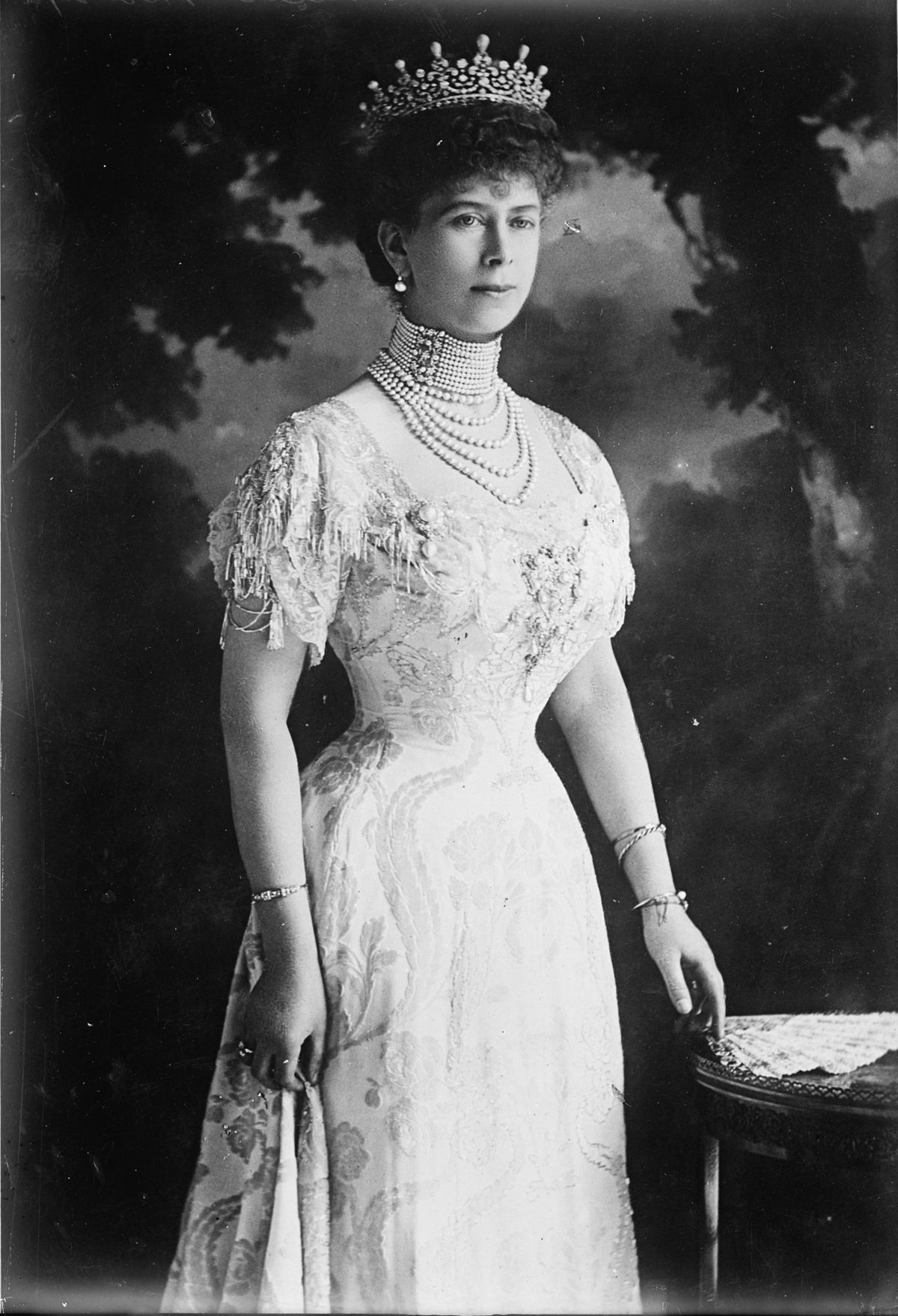
Queen Mary, consort to King George V, was born into the tapestry of European royalty and understood well the weight of duty. However, this regal figurehead was also a person of profound empathy, navigating her path through societal expectations with inherent kindness.
The war years in the royal court were intense, and the king and queen took active roles in supporting morale and encouraging the war effort. During this time, Mary's direct involvement in her nation’s plight extended beyond public spectacles; it reached the homes and hearts of individuals like Alice Thompson.
Amid the deluge of communications to the palace, it was Queen Mary's personal practice to select certain letters that resonated deeply with her for a personal touch. Whether it was a connection to her own longstanding fear for her sons' safety or the raw emotion in Alice's words, something compelled her to pen a personal note in response to the grieving mother’s letter.
The Power of the Handwritten Word
This rare and unprecedented gesture was more than a letter; it was a lifeline. Written in the queen’s careful script, the note to Alice Thompson acknowledged her loss and expressed deep sympathy. More than mere words, it was the tangible presence of the queen’s shared sorrow and her understanding.
In an era when personal communication from a monarch was as rare as it was valued, Queen Mary's note was a profound act of compassion. It went beyond bridging the gap between sovereign and subject; it dismantled it entirely, speaking directly from one mother to another.
Alice Thompson held onto this note for the remainder of her life, finding solace in the idea that her suffering was seen and acknowledged by the throne. The letter was treasured, a piece of regal empathy that anchored her through tempestuous seas of uncertainty and grief.
The Legacy of Compassion
Queen Mary's gesture exemplified a little-known but significant facet of her reign—her human touch and understanding of the monarchy's role in providing comfort to its subjects. This empathy was not captured in official engagements or opulent ceremonies but existed quietly in the background of her life as queen.
Today, as we reflect on the royal family, the importance of personal connection and compassion remains vital. Queen Mary's legacy in this small but powerful action continues to echo through royal engagements and philanthropic endeavors, serving as a reminder that the monarchy can be more than an institution. It can be a haven of humanity.
As the British monarchy evolves with time, the bridges built by small, compassionate gestures remind us of the enduring connection between royals and their people. These connections serve as enduring threads in the monarchy’s rich tapestry—precious beyond their touch.
📷 Photo: Harris & Ewing, photographer. Public domain via Wikimedia Commons.