The Afternoon of Discovery
By 1971, Prince Philip, the Duke of Edinburgh, was an enduring symbol of robust energy and relentless vigor. The dedicated consort to Queen Elizabeth II, he embodied a partnership marked by public duty and personal commitment. But, as the fiery Chukkas of his polo career gave way to an unforeseen calm, the Prince, then 50, found himself standing at a personal crossroads. Advised by his doctors to retire from competitive polo due to health concerns, he faced a choice—resign to the routine of royal duties or forge a new path. To the surprise of those around him, Prince Philip chose the latter by picking up a paintbrush. Quietly stepping into the intimate realm of oils, he embraced a solitary artistic journey known to very few in his privileged circles.
The Solitude of Creativity
The decision to paint was a private one, much like the study itself—tucked away from the eyes of the royal residence's ever-present activity. The Duke approached his newfound craft with a principled and disciplined fervor, a reflection of his naval training and ceaseless quest for knowledge. Opting for no formal guidance or public showcases, he stationed himself in a cozy room within Buckingham Palace, adopting painting as his serene retreat away from the public eye and ceremonial obligations. Here, without tutorials or an advisory to direct his brushstrokes, Prince Philip delved into the world of oil paints, allowing colors and canvases to tell tales that words could not.
This personal sanctuary became a space rarely spoken of outside a trusted circle, a studio where the walls bore silent witness to a prince sculpting expressions of the world as he perceived it. Visitors were rare, the door kept closed as it transformed into a landscape of his thoughts, emotions, and the vistas of his travels, brought to life through his paintings.
A New Artistic Role
Responsibility as the royal consort defined Prince Philip's public life, securing his role as a supportive partner to the Queen as she navigated the challenges of a modernizing monarchy. However, art offered the Duke an opportunity to cultivate a more introspective role—a creator. The nature of oil painting, its demand for patience and reflection, resonated with Prince Philip's direct yet contemplative disposition. Through strokes of paint, he captured the world on canvases, charting his own creative journey amidst the myriad of his responsibilities.
Though learning techniques from self-guided practices, his art was in dialogue with tradition and innovation. Influenced by the great masters, yet unconfined by formalism, his paintings revealed a passion that often remained hidden beneath the veneer of royal decorum. His works, mostly landscapes and depictions of natural vistas experienced on travels, offered insights into the Duke's perspectives and passions. Observers have noted that his pieces, crafted with sincere attention to detail, speak not only of artistic creation but also of the personal growth and spiritual introspection they kindled.
The Quiet Legacy
The Duke's commitment to painting was unwavering, continuing over five decades and leaving a quietly profound yet largely private legacy. Although not a pursuit he publicized or showcased, on select occasions, his paintings found themselves adornments in the hallways of royal residences or gifts to close friends and family. These canvases became tokens of his hidden passion, providing loved ones a glimpse into the Duke's inner landscapes.
Stories circulated within court circles of his busy hands translating regal and far-flung sceneries into small, precious worlds of brush and pigment. To those fortunate enough to view his works, Prince Philip's paintings offered more than their subjects; they encapsulated the essence of his experiences and musings on life. Quietly cherished by the royal family, the paintings represent a poignant portion of his legacy, an artistic shadow of a man often seen through the lens of public service alone.
A Royal Reflection for Today
Prince Philip's journey into art, one shaded as much by the interiority of thought as the vibrancy of paint, resonates within today's royal family and beyond the palace walls. In it, there lies a testament to the power of reinvention and the relentless pursuit of personal fulfillment—principles that remain ever relevant in the digital age where privacy is a challenged luxury. It challenges us to find balance amidst our duties, reminding the public and royal observers alike of the importance of nurturing personal passions.
As the current generation of royals navigates the evolving demands of tradition and modernity, they, too, will likely draw inspiration from such tales of personal introspection and discovery. In Prince Philip’s artistic odyssey, juxtaposed against his notable royal duties, there exists a timeless encouragement to explore the personal at all stages of life. And thus, the story of a prince who quietly taught himself to paint becomes not merely a royal anecdote, but a universal tale of growth, creativity, and enduring curiosity.
The flicker of his canvases may reside largely unseen, but the inspiration they embody continues to influence the tapestry of the House of Windsor, resonating for generations to come as more than just history but as a beacon of personal evolution intertwined with royal duty.
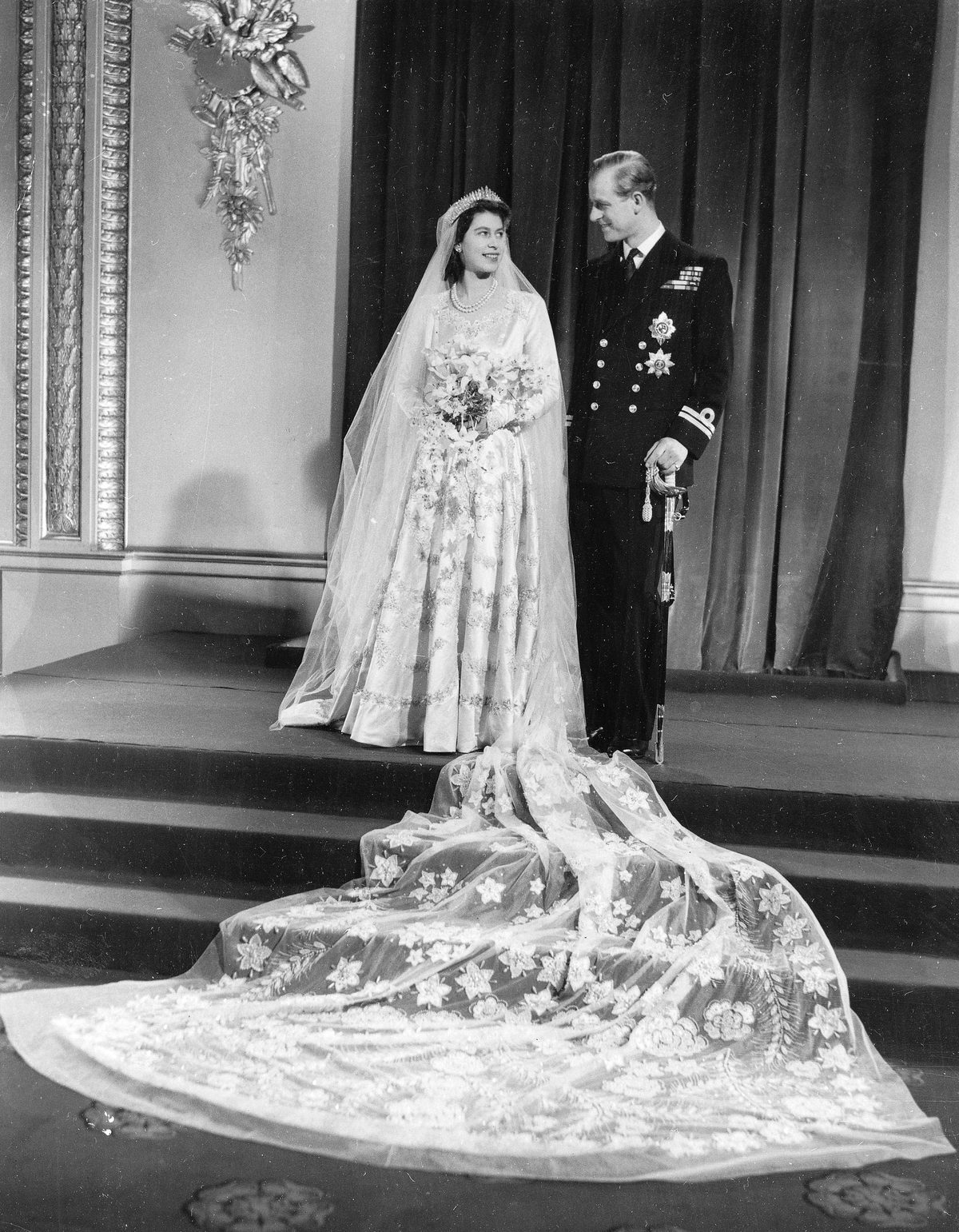
📷 Photo: Associated Press. Public domain via Wikimedia Commons.