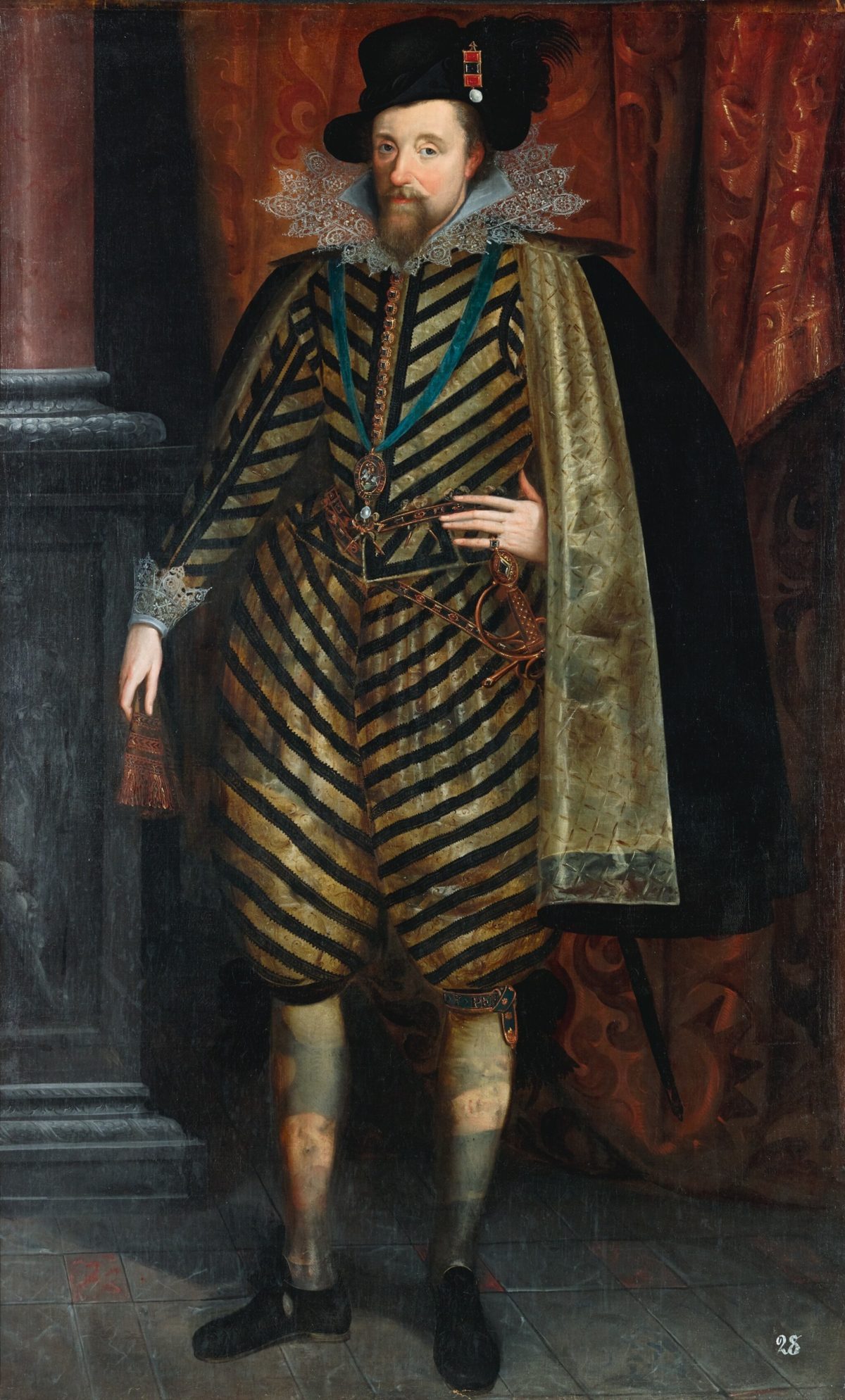
Most monarchs kept dogs. James I kept a polar bear. This compelling curiosity of royal history shines a light on a time when the reach of the British monarchy extended to the exotic and extraordinary. Kept at the Royal Menagerie housed in the Tower of London, this enigmatic creature from the icy realms of the Arctic became an amusing and astonishing sight as it fished in the River Thames. As we uncover the tale of James I's polar bear, we journey back to the exuberant courts of the early 1600s, where the opulence, intelligence, and vision of the royals knew few bounds.
An Unusual Member of the Royal Household
The early 17th century witnessed a flurry of change and eccentricities inaugurated by James VI of Scotland, who, upon the death of Elizabeth I in 1603, became King James I of England, unifying the English and Scottish crowns. James was a monarch known for his intellectual pursuits, fascination with witchcraft, and proclivity for the grand and unusual.
Among his lesser-known passions was a deep admiration for exotic animals, which found expression in the Royal Menagerie, a long-standing institution at the Tower of London. Established centuries prior, this collection of creatures not only entertained but also symbolized imperial power and reach. Amidst lions and elephants, James introduced his most extraordinary acquisition: a polar bear.
Gifted in 1609 by Christian IV of Denmark, this prominent addition was not just eye-catching but represented the bridge between civilization and the untamed mysteries of the natural world. Unlike typical pets that lounged in royal halls, this massive bear showcased the splendour and awe-inspiring influence of King James's court.
A Walk on the Wild Side: The Polar Bear's Daily Routine
Escaping the confines of the Menagerie, the polar bear was granted an unusual freedom for its kind. Under careful watch, it would be walked to the Thames on a long chain, drawing crowds of awe-inspired Londoners who had never seen such a creature in all its majesty. These walks were not mere spectacles of grandeur; they also served a practical purpose.
Once at the river, the great white bear would be unchained to indulge in one of its most instinctual activities: fishing. To the delight and astonishment of onlookers, the bear would plunge into the river's chilly embrace, hunting for fish, thereby imitating its behaviours in the wild Arctic seas. This extraordinary routine blurred the lines between wild nature and urban civilization, illustrating how far royal whimsy could reach.
The Tower’s Menagerie: A Symbol of Royal Might
The establishment and maintenance of the Royal Menagerie was no small feat. In an era without modern conveniences, the task of housing such exotic wildlife was a monumental undertaking, highlighting the vast resources and determination of the monarchy. Each animal represented a measure of English might and diplomacy, underscoring alliances and gifts from foreign rulers.
The menagerie was a place not just of entertainment but also of education and status. It was here that the pageantry of the royals met the curious intellect of the king. James I's affinity for the polar bear reflected not only his adventurous spirit but also the global aspirations of his reign. From the New World to the freezing north, these animals stood as ambassadors of territories not yet fully understood.
A Glimpse into James I’s Courtly Life
James I's court was a vibrant hub of intellectual fervour, debate, and cultural exchange. His reign, spanning from 1603 to 1625, was notable for its literary patronage, having commissioned the King James Bible, which remains a defining work of English literature. This atmosphere of learning and sophistication extended into every aspect of court life, including the menagerie, imbuing each creature with a narrative of exploration, understanding, and unity.
The polar bear, with its imposing presence and raw strength, captured an element of James's character - a monarch enthralled by power, knowledge, and the novelty of life beyond the familiar. This extraordinary pet provided a unique lens through which to view the world, invigorating a courtroom known as much for its scholar-king as for its vibrant entertainment.
Reflecting on Royal Responsibilities
The tale of King James I’s polar bear swells with the same curiosity and boundless intrigue that propelled the British monarchy through ages of discovery and dominance. Today, as we reflect on the past, it serves as a mesmerizing reminder of the audacious extremes that have always characterised the royals’ quests for knowledge, power, and prestige.
In modern times, the monarchy continues to be a symbol of continuity and tradition, balancing the ancient with the progressive. As James’s time drew lines between the known and the uncharted, today, the royal family treads the delicate line between heritage and modernity, adapting to a rapidly changing world while cherishing its rich, storied past.
King James I’s polar bear, then, is more than a footnote in the annals of history. It’s a testament to the bold spirit of a court that dared to dream beyond geographical horizons and cultural confines—a spirit that still shapes the narrative of the British monarchy today.
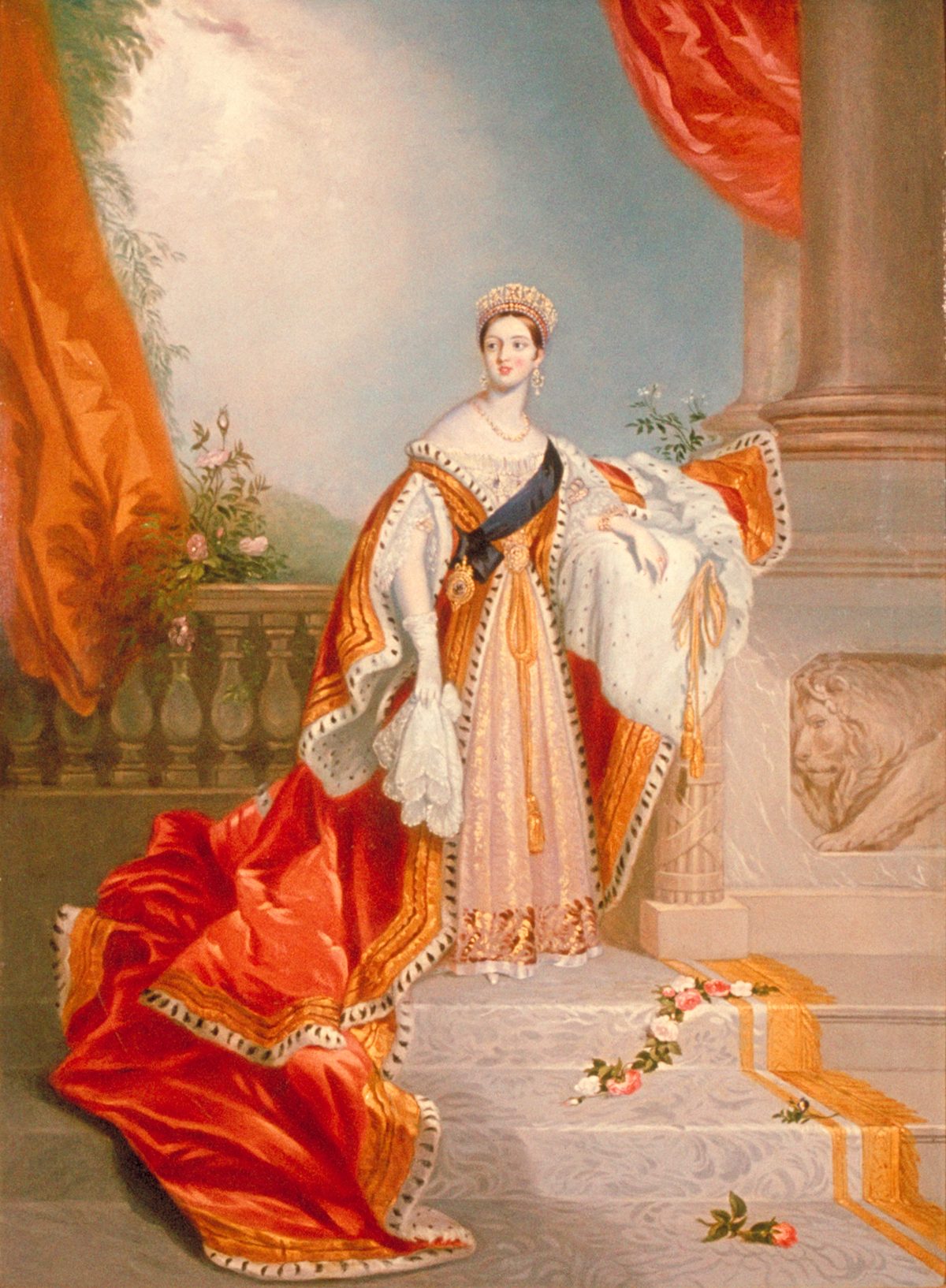
📷 Photo: Unidentified painter. Public domain via Wikimedia Commons.