On the morning destined to etch his name in the annals of British history, King George VI did not don his opulently embroidered coronation robes nor admire the dazzling brilliance of St. Edward's Crown. Instead, he made a quiet, solitary journey to the chambers of his young daughters. There, in the stillness before dawn, the king who reluctantly took on the mantle of monarch found solace on his knees beside their empty beds, seeking courage to face a reluctant destiny.
The Reluctant Monarch
Albert Frederick Arthur George — known to his family as "Bertie" — never sought the role of king. His path was irrevocably altered by the abdication crisis of 1936 when his brother, Edward VIII, relinquished the throne to marry Wallis Simpson. Suddenly, the weight of a nation lay upon Bertie's shoulders. Despite doubts and a lifelong struggle with a stammer, he accepted his duty with quiet resolve.
The evening before his coronation, tension hung heavily in the air of Buckingham Palace. Friends and family members stood in muted circles, aware of the immense pressure bearing down on the future king. These were the people who knew Bertie as more than a royal figurehead; they knew him as a father, a husband, a man of gentle kindness.Among those present were his devoted wife, Elizabeth, Duchess of York, whose unwavering support soon became his rock through tumultuous times.
The Hours Before Westminster
As dawn broke on May 12, 1937, London's streets were vibrant with anticipation. The air was electrified by the prospect of witnessing the sacred and centuries-old ritual. Inside the palace, attendants were bustling with preparations, placing the finishing touches on the king's ceremonial attire.
Yet, there was one particular absence among the otherwise bustling preparations: George VI was nowhere in sight. As his valet scoured the residence, concern began to mount. Finally, he found the king. Not in the chapel or reviewing any regal finery, but in the most unassuming place – his daughters’ bedroom. Kneeling, his head bowed in prayer, he sought the fortitude symbolized by the empty beds of Princess Elizabeth and Princess Margaret, who were then unaware of their own destinies awaiting in the chapters of Britain's future.
The scene was poignant in its simplicity. A father connecting to his children in the quiet moments before he would be transformed into a sovereign, demonstrating a steadfast bond and love that transcended the throne's lonely demands.
The Walk to Westminster
Gathering himself with newfound calm, King George VI rose from his contemplation, the peaceful dawn imbuing a renewed spirit. He returned to the regal festivities unfolding before him. The King's gentle, yet resolute walk to Westminster echoed with centuries of tradition. Every step toward the abbey's grandeur was both an acceptance of his unexpected role and a testament to his dedication to serving his country.
As the King processed toward Westminster Abbey, citizens lining the streets glimpsed not just a monarch but a man - a father and son carrying his solemn duty with humility and courage. In those moments, King George VI became emblematic of Britain's stoic endurance. As choral anthems filled the hallowed halls of Westminster Abbey, he stood with dignity and grace, as history unfolded in its majesty.
The Crown Securely Placed
In the solemn rituals that followed, the Archbishop placed the crown with steady hands upon the King's head. St. Edward's Crown—a masterpiece of age-old adornment weighing nearly five pounds, glistened under the resplendent light of the Abbey. Though heavy in physical form and metaphorical duty, King George VI bore its symbolic weight with a newfound strength, deeply fortified by the quiet reflection of that morning.
The coronation, observed by millions worldwide, became not just an event of elaborate ceremony but a deeply personal journey widely respected and admired. It symbolized the resolve and the human story within the grand pages of royal history.
The Legacy of King George VI's Reign
Following the echoes of Westminster, the reign of King George VI would face trials beyond the imagination. Through the shadow of World War II, his steadfast leadership alongside the Queen Mother, Elizabeth, revealed a resilience that touched the very heart of a nation battered by hardship and loss. Encouraged by their visits to areas destroyed by bombs, the royal family emerged as beacons of hope and determination for the British people.
King George VI's coronation morning, with its intimate and humanizing glimpse behind regal formality, speaks across the years to the powerful intersection of family, service, and duty. In a world that has since transformed several times over, the royal family remains a symbol of continuity and steadfast presence amid change.
There remains an unbroken thread connecting that tender moment with the complex tapestry that is today's British monarchy. As new chapters unfold under the reign of King Charles III, the royal story persists—a legacy of duty embraced, family cherished, and a crown worn with dignity and resolve.
For those captivated by the echoes of Britain’s regal past, the tale of that tranquil morning continues to resonate, reminding us all of the deep humanity at the heart of monarchy's storied tradition.
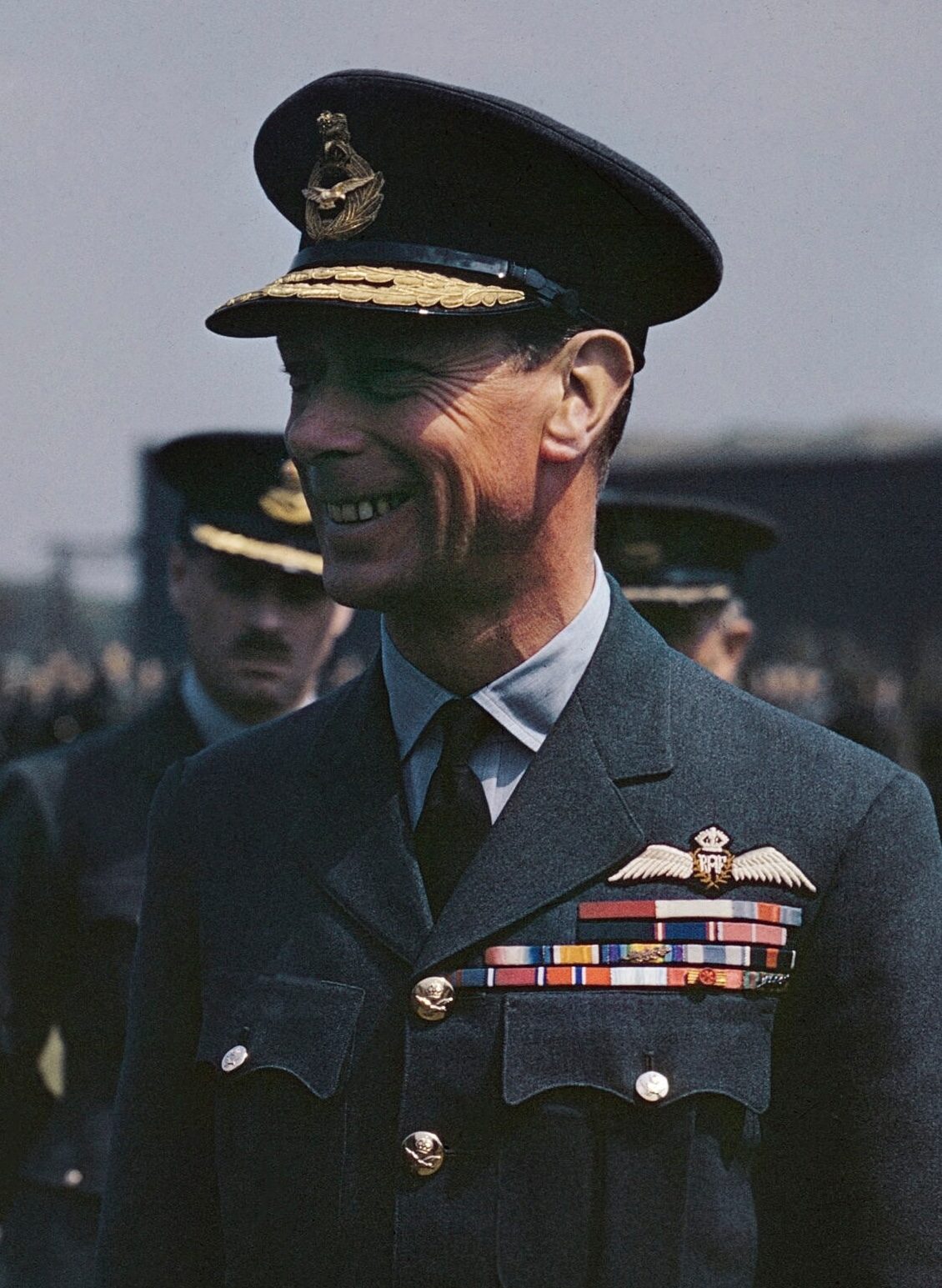
📷 Photo: Royal Air Force official photographer. Public domain via Wikimedia Commons.