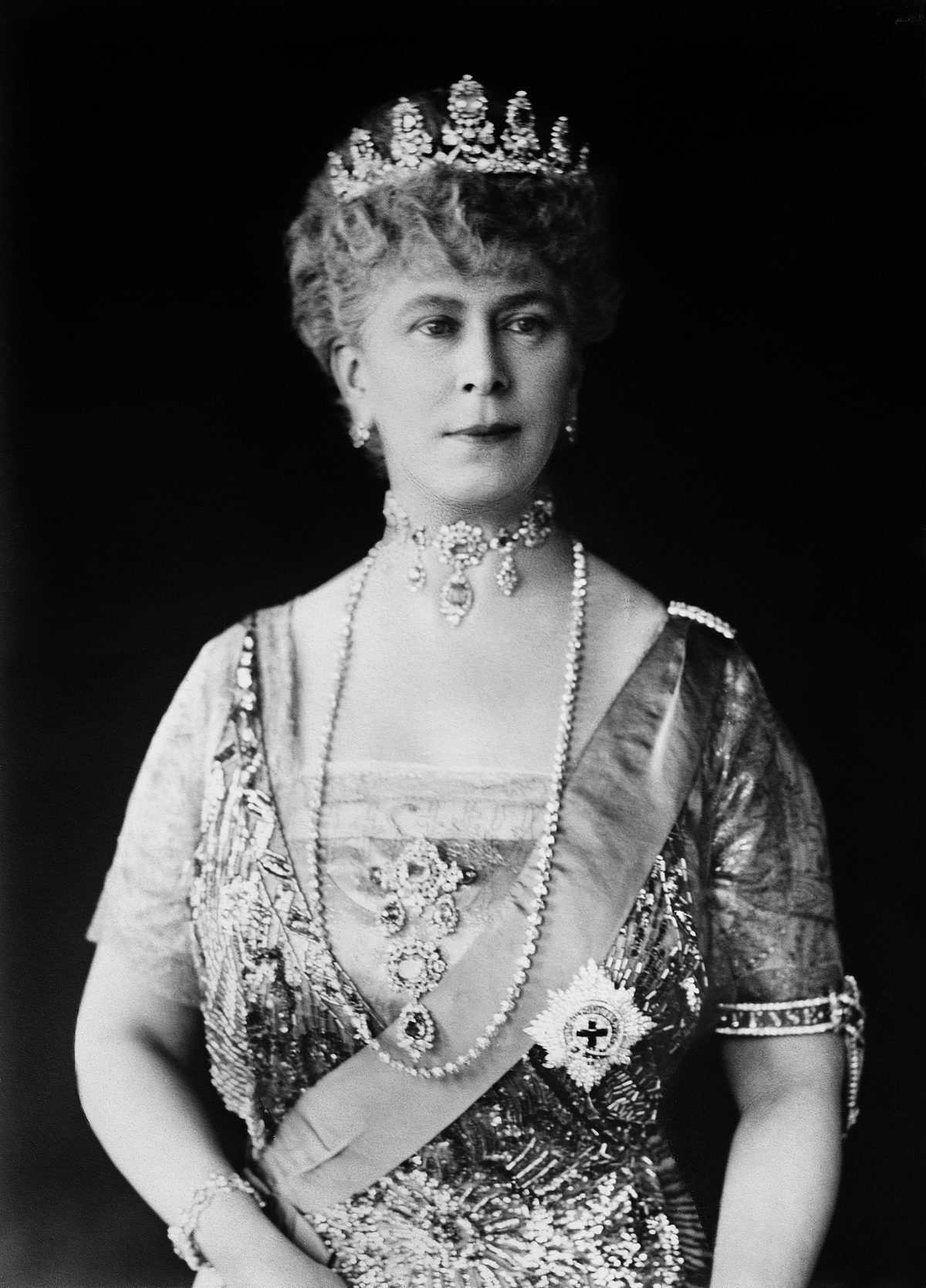
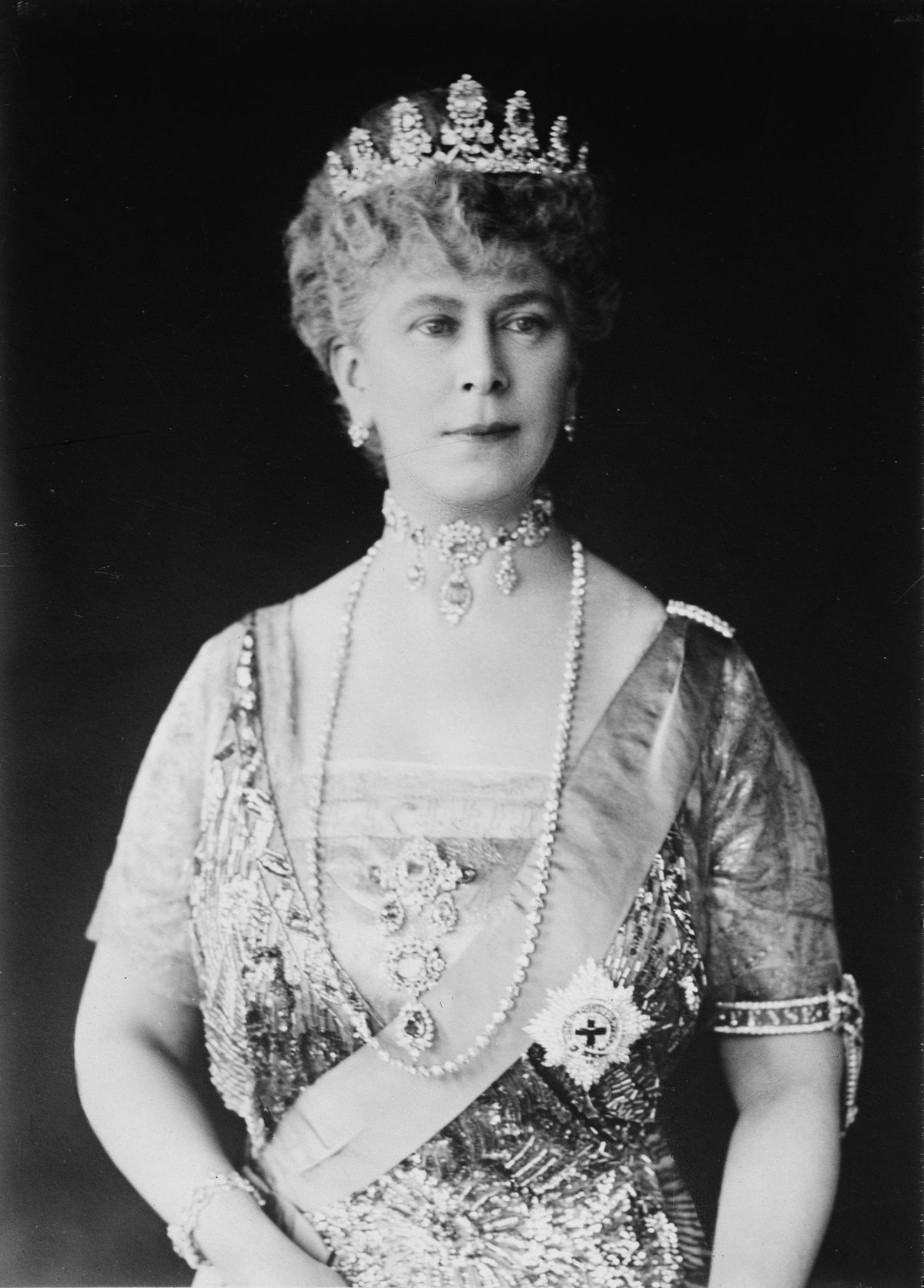
In the midst of World War II, majestic palaces and serene countryside estates often seemed a world away from the relentless blitzkrieg bombarding London. Yet, even within the hallowed halls of the British monarchy, the spirit of resilience and duty prevailed, embodied magnificently by Queen Mary. In 1940, she was 73 years old, had been evacuated to Badminton House, and refused to succumb to the idleness that evacuation seemed to promise. Instead, she donned her pearls and tiara, rallied her ladies-in-waiting, and with a spade in hand, began digging for victory in the lush fields of Badminton. Her commitment and grit rendered an unforgettable chapter in royal history, capturing the hearts of the public and demonstrating the monarchy’s unwavering dedication to the nation's wartime efforts.
An Unexpected Royal Relocation
As London faced the onslaught of aerial bombardment, Queen Mary, widow of King George V and grandmother to then-Princess Elizabeth, was evacuated from Marlborough House to the safety of Badminton House in Gloucestershire. Badminton House, the ancestral seat of the Duke and Duchess of Beaufort, became her temporary abode during those tumultuous years. The grandeur of this Palladian mansion was no stranger to pomp and ceremonies, but the arrival of Queen Mary categorically signaled more than just opulent dinners and velvet-draped drawing rooms.
Raised amidst the elegance of the Danish and British courts, Queen Mary had never been one to shy away from duty. The sovereign matriarch, who was more accustomed to grand receptions and state banquets, found herself in a quiet countryside that sharply contrasted with the echoing shards and shrapnel of besieged London. For Queen Mary, slowing down or indulging in leisure was simply unthinkable. Her indomitable spirit thrived on the ethos of service and resolve, concepts she seamlessly carried into her wartime sojourn.
Digging for Victory: A Queenly Endeavor
Already teeming with ballets of seasoned gardeners and estate workers, Badminton’s lawns and gardens burgeoned further as Queen Mary introduced new, urgent tasks. With the grit of determination and a touch of royal flair, she organized her ladies into labour parties. The objective was clear: transform the scenic estate into fertile fields capable of producing sustenance for the war effort.
Wearing her pearls, the ever-poised Queen Mary took to the fields with her characteristic dignity. Her choice of attire might have seemed incongruous to the occasion, yet it was an unspoken testament to the unyielding stability that the Crown was expected to convey, even amid upheaval. The tiara and pearls represented continuity and strength, a visual assurance to the nation that the monarchy was unswerving in its dedication to duty.
Under her watchful eye, flowerbeds morphed into potato plots, and manicured lawns became rows of beets, carrots, and cabbages. It was no longer merely an aristocratic residence but a microcosm of the national home-front effort. The wartime slogan "Dig for Victory" became a matter of profound personal commitment for the Queen and her entourage, reminiscent of the collective national endeavour.
A Royal Example of Resolve
Queen Mary’s presence in the fields was not just an extraordinary royal spectacle but an emblem of leadership by example. Her actions radiated across the country, reinforcing morale during bleak days. Here was the queen mother herself, experiencing and directly engaging with the same wartime privations as her subjects.
Her hands-on approach and genuine participation endeared her to vast swathes of the public. The press covered these efforts, offering an inspiring royal narrative amidst daunting headlines of battles waged and fortresses besieged. In stark contrast to the luxurious royal life often imagined by the public, Queen Mary's steadfast determination and willingness to toil in such a manner depicted a monarchy interwoven with the fortitude and spirit of its people.
The Legacy of Queen Mary’s Wartime Example
The events at Badminton House in 1940 are emblematic of the monarchy's broader wartime contributions—a symbol of persistence, unity, and duty. Queen Mary’s unprecedented engagement highlighted the royal family’s commitment to the welfare and moral support of the nation, leaving an inspirational legacy.
Her legacy of service underscores the enduring relevance of the British monarchy, a beacon of steadfastness and continuity through ever-changing eras. In moments of national trials, like those faced during the blitz, the monarchy’s capacity to unify and galvanize the nation is invaluable—the regal embodiment of hope, leadership, and service.
Queen Mary’s potato-digging days might have seemed incongruous with royal tradition, yet they were a profound testament to the transformation required in exigent times. Today, her example remains poignant, reminding us that true leadership is characterized not merely by high office but by the hands that are willing to work the soil and hearts destined to lead by inspiration and action. Her actions at Badminton House resonate as the embodiment of duty above all, a message with as much relevance for today as it had in 1940.
📷 Photo: W. & D. Downey. Public domain via Wikimedia Commons.