Queen Elizabeth II's reign was marked not only by grand statecraft and public spectacles but also by intimate moments that touched the lives of ordinary people. Among these heartwarming stories is an unforgettable exchange between the newly crowned queen and a young girl from Glasgow in 1953. Imagine a ten-year-old girl, wide-eyed with wonder, watching the meticulously choreographed grandeur of the coronation on a neighbor's television. Inspired, she decided to pen a far-fetched letter to Her Majesty — a gesture of admiration with little expectation of a response. Yet, what ensued was a remarkable correspondence that perfectly illustrated the personal connection Queen Elizabeth II was known for, far beyond the glittering jewels and grandeur.
A Nation Looks to Its Queen
The year 1953 was a palpable moment of transformation and hope for Britain. The aftermath of World War II was still evident, but the coronation of a young queen symbolized a new era. Queen Elizabeth II's ascension to the throne was not just a royal milestone but also a national rejuvenation, witnessed in everything from street parties to the burgeoning medium of television, where millions watched the historic ceremony. It was a time when the monarchy was a unifying force, bringing together people from all walks of life under the awe-inspiring banner of history and continuity.
At this juncture, Britain's technological and social landscapes were unfolding new ways for the monarchy to engage with its subjects. Television sets were rare commodities in many homes, yet those who had access shared the occasion with friends and neighbors. In the spirit of community and shared excitement, the coronation became not just a media event but an emotional experience spanning generations.
A Letter from Glasgow
In a modest neighborhood of Glasgow, amidst working-class families and spirited children playing in the rain-dampened streets, a young girl sat down at the kitchen table, inspired by what she had seen. She was filled with the innocent belief that her words could bridge the chasm between a girl living in the heart of Scotland and the sovereign residing in the splendid confines of Buckingham Palace. With a schoolgirl's determination, she poured her thoughts onto paper, expressing admiration and curiosity in her ten-year-old voice, and ended the letter with a simple expression of her well-wishes.
Her family, perhaps bemused by her endeavor, nonetheless helped her post the letter. In a time when the Postal Service was the backbone of communication, delivering messages from every corner of the kingdom directly to the Royal Household, the girl's letter joined the thousands sent to Buckingham Palace — a place constantly buzzing with the activity of dutiful secretaries and staff working to manage the nation's correspondence with their queen.
A Special Reply
The letters arriving at Buckingham Palace were meticulously sorted, answered, or filed under the watchful eyes of trusted personnel. While the majority received standard responses, penned by the diligent secretarial team, some had the fortune of catching the eye of the queen herself. Her Majesty was known for her genuine interest in the lives of her subjects, and it was this personal touch that often led her to set aside time from her demanding schedule to engage directly with individuals who had reached out to her.
The Glasgow girl's letter, bursting with youthful sincerity, found its way into the queen's notice. A few weeks after she sent her heartfelt note, a special envelope arrived at her home. Bearing the royal seal, it bore not a formal acknowledgment, but a personal letter penned by Queen Elizabeth herself. She expressed gratitude for the young girl's kind words and shared a few thoughts about the coronation day, drawing a charming connection between her own experience and that of her distant young admirer.
Such gestures were emblematic of Queen Elizabeth II's reign. Despite the complex protocol and obligations surrounding her, Her Majesty would occasionally bypass ceremonial filters to reach out with warmth, reminding people of the monarchy's dedication to personal connection and service.
A Legacy of Connection
The girl from Glasgow would carry this royal correspondence as one of life's cherished memories — a tangible link to the crown that would inspire her for decades. Beyond the grandeur of pageantry and the often impersonal nature of monarchical duties, this incident represented something profoundly personal about Queen Elizabeth II's rule: her acute sense of duty interwoven with genuine human empathy.
This often-unseen facet of her character was not just a reflection of her role as queen but also of her lifelong commitment to the ideals of the monarchy, bridging the royal and the everyday in small yet significant ways. Across decades, such acts continued to define her relationship with the public, affirming a narrative of continuity and personal touch that would endure through generations.
The Quiet Power of Kindness
It's stories like the Glasgow girl's letter that remind us of the subtle yet profound ways in which Queen Elizabeth II touched the lives of her subjects. During a time of change and modernization, she consistently embraced opportunities to connect personally with the populace. The responses, small as they may seem, were powerful symbols of a monarchy in tune with the pulse of its people.
As we reflect on the intricate tapestry of Queen Elizabeth II's reign, it is clear that her legacy is not solely woven from the fabric of her public duties and responsibilities, but also from her mindful, personal connections. In today's fast-paced digital age, this human approach offers a poignant reminder of the quiet power of genuine kindness and how it can leave a lasting mark on the course of a nation's history.
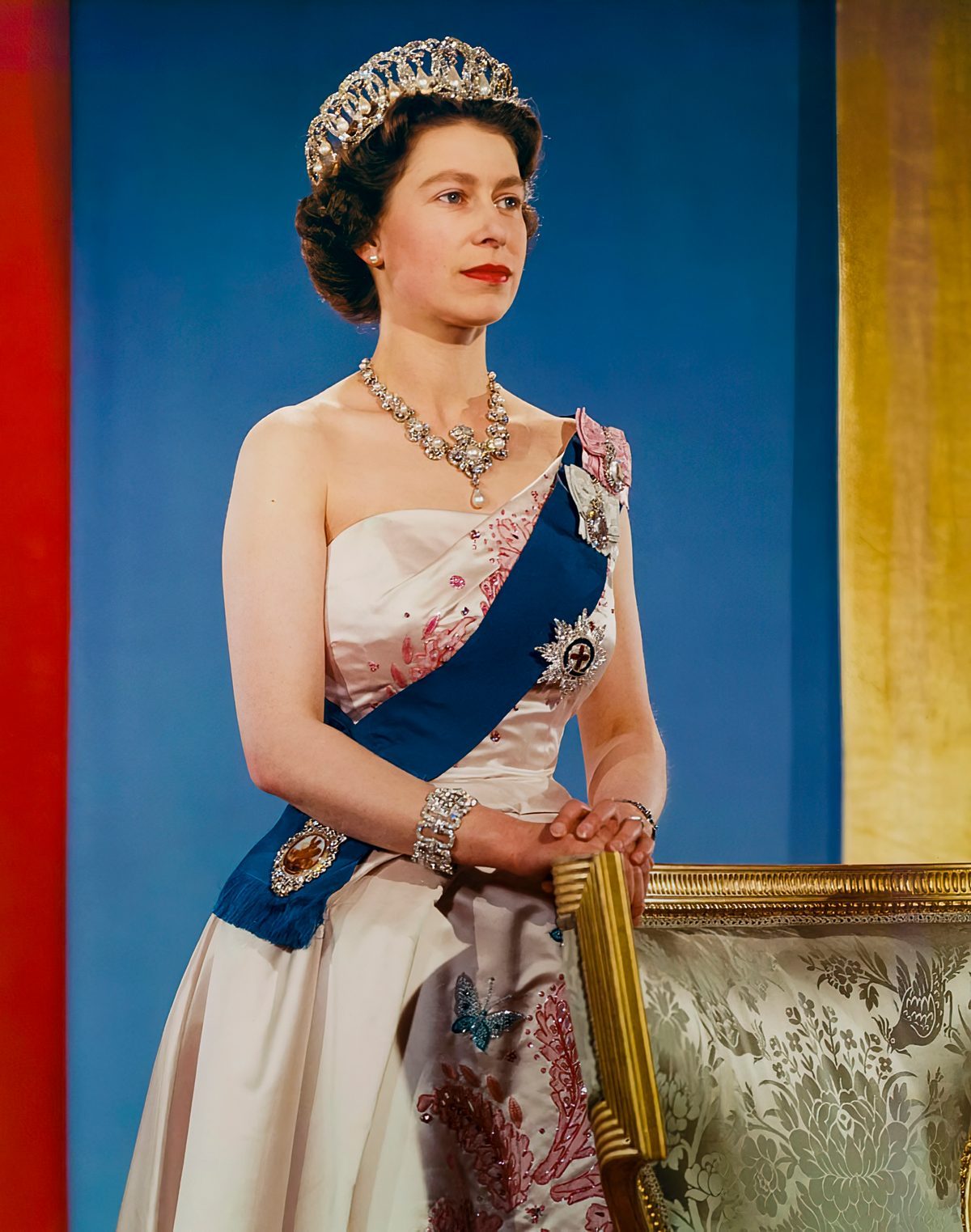
📷 Photo: Donald McKague. Public domain via Wikimedia Commons.