As the bitter winds of 1689 swept through London, a bridge of ice formed over the River Thames. Crowds gathered to test the frozen waters, but it wasn't just the rare sight of the frozen river that mesmerized them; it was the resplendent yet unexpected figure gliding over the ice with joyous abandon. Queen Mary II, in an act both bold and charming, had taken to skating, a skill learned from her years in Holland. It was a moment that captured the hearts of her people, blending regal poise with a touch of human warmth from their new queen.
The Reluctant Monarch: A New Era of Queenship
Mary II did not ascend to the English throne through the conventional paths of ambition and desire. Known for her devout Protestant beliefs, her marriage to the astute and politically powerful William of Orange in 1677 was a union of strategic importance. But her arrival as queen in 1689—born out of the tumultuous events of the Glorious Revolution—was an arrangement neither she nor her father, the deposed King James II, had chosen.
The Glorious Revolution catapulted Mary into the highest office of a country in the throes of political unrest. Despite her initial reluctance, Mary approached her role with a sense of duty inherited from her Stuart lineage. She faced the challenge with prayer and a deep sense of responsibility, becoming a beloved figure not just for her nobility and faith, but also for the affection and intelligence she maintained both in public and private life.
Embracing the Unexpected: The Frozen Thames
London’s winters were notorious in the 17th century, but the winter of 1689 stunned its residents. The Thames had frozen solid, creating a natural stage for an unusual public event. London's populace, accustomed to royal ceremonials steeped in pomp and protocol, was about to witness an extraordinary spectacle.
Queen Mary, aware of her perceived distance from the common folk of England, saw the frozen river as an opportunity. Drawing from her Dutch heritage—where ice skating was a beloved pastime—she took the surprising step of engaging in an activity associated neither with monarchy nor with women of the time. She donned skates and joined throngs of commoners on the ice, transforming a day of idle curiosity into a jubilant public gathering marked by laughter and applause.
Her decision to lace up skates and glide across the Thames was an act of grace that won over her subjects and displayed a deft political touch. In those fleeting moments on ice, she showcased a warmer side of monarchy that resonated deeply with her people, painting her as a queen united with her subjects in joy and spectacle.
A Queen Unlike Any Other
Mary's stunt on the ice was more than just an instance of queenly whimsy—it underscored her understanding of public perception and the value of connection. Her act did not diminish the dignity of her position but rather humanized it, offering a glimpse into a more relatable side of royalty rarely seen.
Though skating may seem trivial against the broader tapestry of duties expected of a monarch, it was a symbolic gesture. The transition from her life in the Netherlands to the throne of England was fraught with both personal and political challenges. In this light, her willingness to participate openly in a public festivity was a testament to a queen who cherished the role she was given, perhaps one she had not initially sought.
Building a Legacy of Warmth and Strong Will
As her reign progressed, Queen Mary II cultivated a reputation built on solid governance, compassionate rule, and astute political acumen shared with her husband. Though their co-regency was an unprecedented arrangement, Mary worked tirelessly to maintain the Protestant faith and uphold the stability of England—goals she achieved with commendable grace.
Her time on the ice was a momentary display of the warmth that defined her private life. Together she and William oversaw a period of transformation that firmly entrenched the role of constitutional monarchy, influencing the throne and its evolution for generations to come.
Reflections of a Frozen Moment
The image of Queen Mary skating on the frozen Thames remains etched in history as much more than a footnote of regal frolic. It symbolizes the rare intersection of royalty with the experiential joys of everyday life, transcending time and tradition.
This graceful intersection of strategy and spontaneity reflects a truth that continues to endear the monarchy to its admirers: the enduring appeal of human connection within the royal narrative. Divisive times may come and go, yet the ability of monarchs like Mary II to connect with their subjects with authenticity remains timeless.
From her reluctant coronation to a joyous glide across the Thames, Queen Mary II carved a legacy of leadership seasoned with humility and strength—a narrative of a queen who, indeed, learned the value of skating through more than just ice.
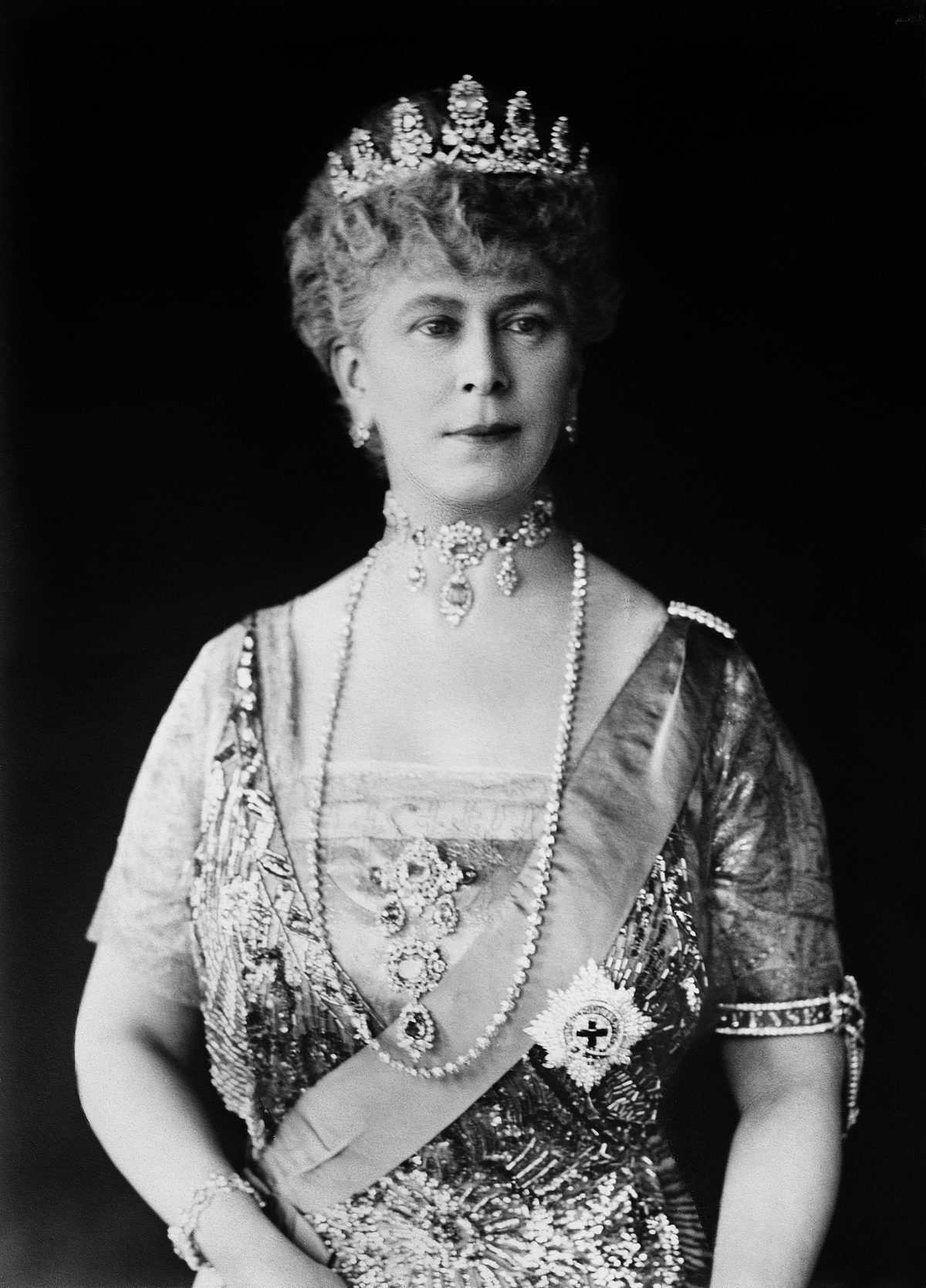
📷 Photo: Bain News Service; this edit (clean up, contrast & sharpness, slight crop and downsample) by mixpix 23:28, 5 January 2008 (UTC). Public domain via Wikimedia Commons.