He had rehearsed it so many times that he knew the weight of the crown better than any man alive. On the morning of his coronation, King George VI halted the ceremony's most sacred moment — not from nerves, but from quiet, meticulous preparation. The world saw a king crowned. Few knew how hard he had fought to be ready.
The Unexpected Moment at the Coronation
May 12, 1937, was a day of grandiose ceremonies and majestic pageantry. The streets of London were festooned with Union Jacks and filled with well-wishers who had gathered in anticipation. Westminster Abbey, steeped in history and tradition, stood as the fitting backdrop for the solemn occasion. Yet, hidden beneath this layer of pomp and splendour was an unexpected and poignant moment that spoke volumes about the man who was to be crowned King of the United Kingdom and the Dominions of the British Commonwealth, defender of the Faith, and Emperor of India.
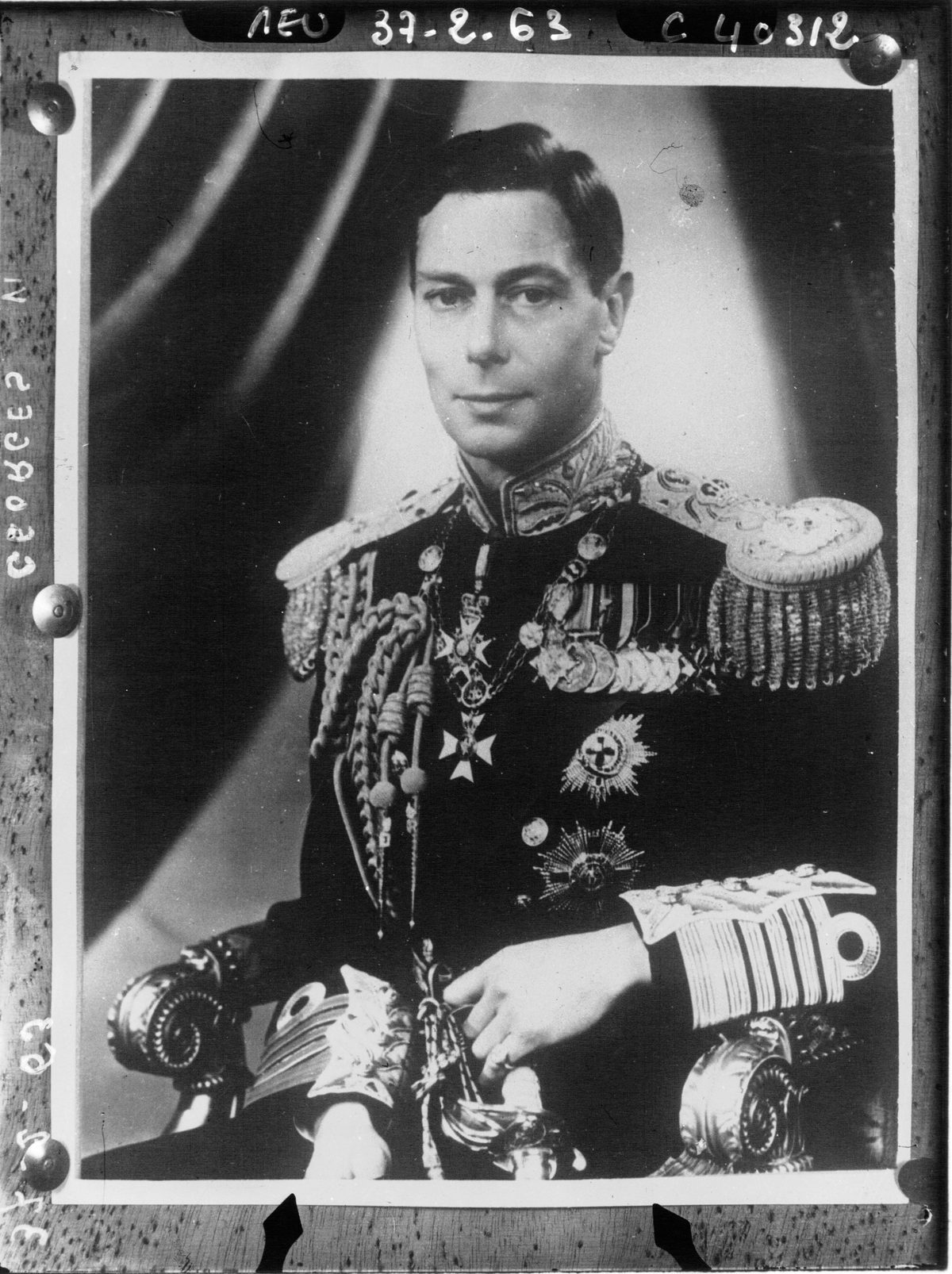
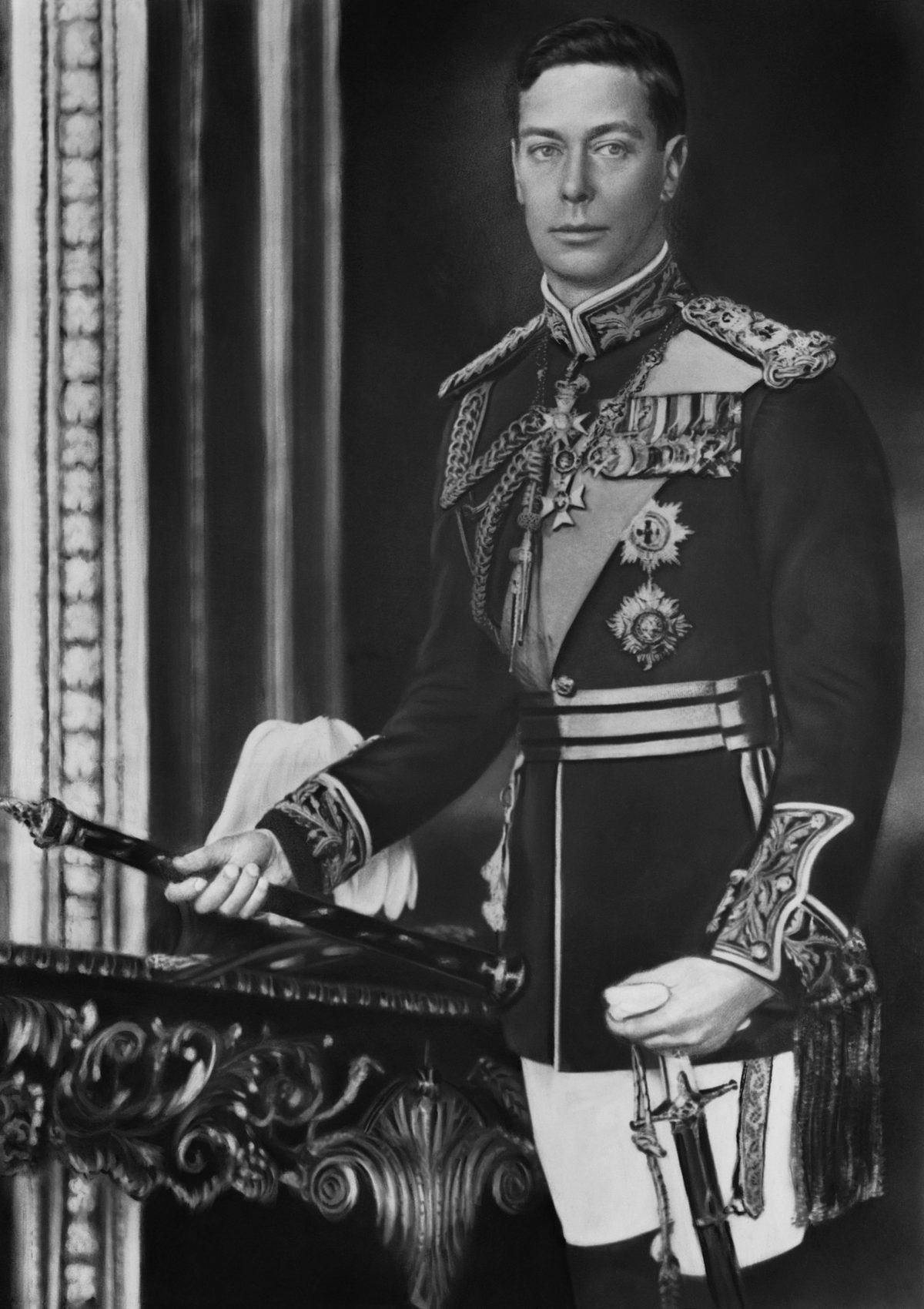
King George VI, born Albert Frederick Arthur George, was not initially destined to ascend the throne. With the abdication crisis of his older brother Edward VIII still fresh in the nation’s memory, the new King faced the daunting task of stepping into a role he had neither sought nor expected. However, George VI possessed an unwavering commitment to duty and a deep desire to serve his country to the best of his abilities.
As the Archbishop of Canterbury prepared to place the St Edward's Crown upon the King's head, George VI did something utterly unforeseen: he halted the historic moment. Unbeknownst to the crowd, the King had become acutely aware that something was amiss. The velvet lining inside the crown was different from what he had practiced with — a discrepancy unbearable for a man who had rigorously rehearsed for this very instant.
The Rigorous Rehearsal Behind the Majesty
To understand this moment of pause, one must appreciate the depth of preparation that went into the coronation of King George VI. The new monarch, often overshadowed by his more flamboyant brother, was known for his diligent nature. Following his unexpected rise to the throne, he embarked on a meticulous regimen, determined to perfect every aspect of his kingly duties.
His most pressing concern was the coronation itself — a ceremonial epicenter of monarchical tradition. Aware of the symbolic weight the crown held, both literally and metaphorically, George VI allowed no room for error. He practiced with a weighted replica, ensuring he understood precisely how it should support his head and maintain its position during the grueling hours of the ceremony. The velvet inside was crucial; it was a part of his readiness for the weight of the crown.
Such dedication might seem trivial in the grand scheme of royal duties, but it underscores the King's humility and determination to honor the responsibilities bestowed upon him. This level of preparation was a testament to his understanding that every detail, however minute, carried great significance in upholding tradition and inspiring public confidence in the monarchy.
The Crown and the King: A Symbolic Union
The moment the King paused, the nation held its breath. This was a rare glimpse into the human side of royalty, a reminder that even kings are subject to the whims of circumstance. The crown — crafted with opulence, embedded with gold and precious stones — is far more than its materials. It is a representation of commitment, history, and the continuity of the monarchy.
For George VI, the crown symbolized a new chapter, both for himself and the country. The resilience he displayed when addressing his stammer and accepting his unplanned role reflected his personal growth. It set the tone for the dignified leadership he would exhibit throughout his reign, notably during the challenging years of the Second World War.
What followed was both a display of protocol and a testament to the respect for the King’s wishes. The ceremonials adjusted swiftly, ensuring the King's preparation was honored — a maneuver that few spectators or listeners would ever realize had occurred.
The Reflection of the Heart in Today's Monarchy
In the years that followed, King George VI became synonymous with the values he lived by. His dedication to the crown mirrored his devotion to duty, qualities that continue to resonate within the British monarchy today. The King's meticulous attention to detail during his coronation was emblematic of his approach to kingship: steadfast, considered, and intimately connected with the people he served.
This poignant incident reminds us that even the most venerable institutions are profoundly human at their core. The monarchy today, with members of the royal family endeavoring to balance tradition and modernity, inherits this legacy of dedication and adaptability. George VI's moment of coronation underscores the transformative power of conscientious leadership, a narrative that continues to inspire.
As we reflect on that pivotal day in 1937, we see not just the coronation of a king, but the crowning of a moment in history that highlights the humanity behind the crown. It serves as a timeless reminder that the true weight of the crown lies not just in its physical heft or jewelled splendour, but in the quiet perseverance and solemn dedication of those who wear it.
📷 Photo: Matson Photo Service. Public domain via Wikimedia Commons.