On a morning in September 1940, as the sun crept over the war-torn horizon of London, King George VI sat at his desk in Buckingham Palace, his hands heavily bandaged but resolute. The previous day, the visceral roar of a German bomb had shattered the tranquil silence of this royal residence, sending plumes of dust and debris skyward—and ensnaring the steadfast King and his consort, Queen Elizabeth, in a new chapter of wartime fortitude. The image of a monarch with bloodied hands clearing wreckage is not one that fits the conventional portrayal, yet it served to underscore a remarkable emblem of duty. In a sequence of events that could have easily diminished lesser spirits, King George VI rose from adversity to demonstrate his unwavering resolve to lead by example. Rather than retreat in the face of calamity, he clung more fiercely to his responsibilities, knitting together the frayed seams of imperial representation and royal courage.
The Bombing of Buckingham Palace
September 1940 was a month painted in grim shades across London, a city standing determined amidst the Blitz. Alarmed yet undeterred, citizens looked to their monarchy for reassurance. On September 13th, a bomb tore through Buckingham Palace, marking it as no mere symbol but a shared vessel of national endurance. The Sovereign's dwelling was not impervious to the trials of war; rather, it was a potent reminder that the King and Queen stood with their people in spirit and sacrifice.
The destruction of the palace's Georgian splendor—pridefully untouched across ages—did not yield to panic or despair. Instead, the royal presence was all the more magnified by the simple actions of King George VI, whose personal endeavor to clear the remnants of violence from his home reflected a kingdom-wide resilience. It's no small wonder that this event resonated deeply with the public, for in those moments, the Palace transformed from a ceremonial fortress to a mere household sharing in the communal wounds of war.
A Monarch's Resolve: A Testament in Bandages
The metaphor of a bandaged hand is a poignant one; it denotes injury yet remains functional, a testament to pragmatism over pause. George VI’s manifestation of such resolve came, quite literally, from his willingness to personally involve himself in moving debris from his palace grounds. Emerging from an emergent action with cuts and scrapes on his hands, his steadfast continuation of his duties the following morning evinced the resilience of his spirit and underscored his commitment to his nation.
Wounds bound in stark wrappings, the King maintained his royal responsibilities without hesitation. Letters awaited his signature; each corresponded to pages of dedication, sympathy, or wartime necessity. He sat at his desk—composed and silent—with an acceptance of duty elevated above personal discomfort. Without a single word of lament, he sifted through the stack of correspondence. This quiet gesture of diligence further enchanted a kingdom that viewed him not as a sovereign ensconced in opulence but as a leader humanity could trust amid adversity.
Royal Influence Amidst Wartime Realities
At a time when the nation needed unity above all else, the royal family's public stoicism and their very hands-on approach served to knit together a shared resilience. It wasn't merely the bricks of Buckingham Palace that were hit; it was the very symbol of their nation. The effort to maintain a semblance of regal determination was paramount.
The presence of George VI in wartime Britain represented a figurehead who married the tradition-bound role of a reigning monarch with the immediacy demanded by modern war. The King’s public support of the war effort—from factory visits to morale-boosting trips throughout the impacted locales of Britain—provided a visage of unwavering royal stalwartness that bolstered national spirit.
Indeed, the royal family’s decision to remain in Britain, particularly at Buckingham, despite intense bombing campaigns, was not lost on the community. With every public appearance, every bandaged hand, they indeed reinforced the allegorical walls of this reassuring existence. It was a silent contract with the British public punctuated by gestures of shared sacrifice and perseverance.
A Legacy of Leadership and the Monarchy’s Influence Today
The morning King George VI shuffled papers with bandaged hands has transcended mere historical anecdote. It set a precedent for the royal ethos—an intimate portrayal of the character, duty, and humility woven into the fabric of English monarchy. The indomitable spirit of King George VI underpins modern understandings of royal duty, influencing the perseverance and public engagement demonstrated by his descendants.
Today’s monarchy—while shaped into forms fitting the 21st century—retains this underlying dignity in service. Icons of the British monarchy continue appearing among their people during tumultuous times, echoing George VI’s legacy of presence and engagement. It shows continuity with the past while sculpting relevance for the future, a perpetual balance upon which the monarchy graciously treads.
Reflecting on that September morning in 1940, we witness the power of leadership grounded in steadfast duty. As we navigate through our own contemporary challenges, the image of an emboldened King at a desk with bandaged hands serves as a timeless illustration of resolve—a reminder that even the most revered figureheads are, at their core, men and women of the same nation and enduring spirit.
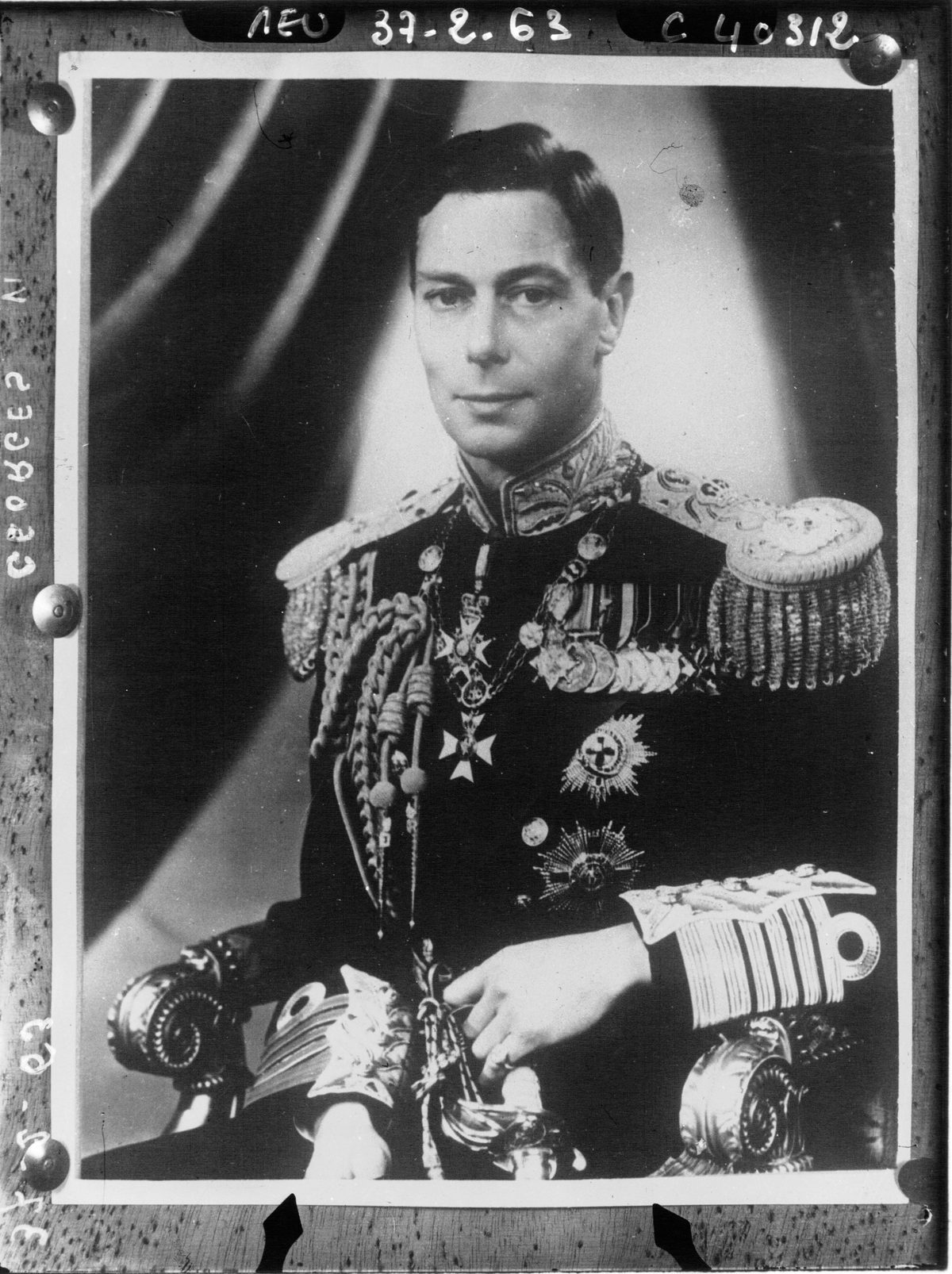
📷 Photo: Agence de presse Meurisse. Agence photographique (commanditaire). Public domain via Wikimedia Commons.