In the hushed, dew-laden tranquility of a misty morning in 1922, King George V, a monarch known for his stoic demeanor, found himself amidst the somber serenity of the Western Front war cemeteries. The landscape stretched out before him, an endless sea of white headstones, each marking the resting place of a soldier who had given their life in the tumultuous storm of the Great War. These weren’t just simple acts of duty to the king—for George, these visits were acts of deep personal significance. As he made his way through these solemn fields, he approached a grave that bore the simple, poignant inscription: "Known Unto God." Here, in this sacred space, something profound shattered the king's resolve.
A Pilgrim in Mourning
King George V's journey to the battlefields of the First World War was not merely a ceremonial duty. It was the expression of a father's grief, a sovereign's compassion, and a nation's collective mourning. The royal visit to the war cemeteries in 1922 was organized to dedicate these sacred grounds, ensuring that the memory of those who fought and fell would endure. The king, accompanied by his retinue and meticulously chronicled by his aides, appeared outwardly calm; dignity and duty were the visible veils of an emotional pilgrimage.
The monarch’s relationship with his subjects had been profoundly reshaped by the war. The immensity of loss, the bravery, and the sacrifice were not abstract concepts for George V. Each stone, each name on the battlefield echoed the stories and heartaches of families from every corner of the empire he governed. This visit was paramount in showing loyalty, compassion, and gratitude to bring solace to the bereaved and sustain a nation’s spirit still reeling from the wound of war.
The Moment of Breaking
As King George reached the particular grave marked "Known Unto God," he paused. The four simple words encapsulated an agony both incomprehensible and universal—the anonymity of sacrifice. The emotion that he had kept meticulously in check spilled over. His eyes welled with tears, and against the usual decorum expected of royal demeanor, the king wept openly. His aide dutifully recorded that when he attempted to step forward in support, the king silently waved him away. Here was King George V, a sovereign who understood the weight of public and private grief, standing alone at a grave that encapsulated the collective pain of a generation.
The grave symbolized countless unsung heroes, the unnamed and the unknown who had laid down their lives for a cause greater than themselves. In that moment, standing at the boundary of life and memory, the king’s tears were for his people, for humanity, and for a world rendered silent by the legacy of war.
Context of Courtly Compassion
In the context of the royal court of the early 20th century, this public display of emotion was unprecedented. The British monarchy was traditionally a bastion of stability, a symbol of resilience amid societal turbulence. King George V's reign was marked by dramatic changes—a world war, shifts in social structure, and legislative reform. Through it all, the monarchy evolved, guided by his keen sense of duty and adaptability.
At that time, the king was perceived as the heart of national identity, and each of his actions reverberated throughout society. His decision to openly mourn at the grave signified a moment of shared humanity. It portrayed a powerful image: the convergence of royal sovereignty with the democratic body of the grieving public. His tears were not just personal but a collective catharsis for an empire in sorrow.
The Lasting Legacy
The image of King George V weeping at a soldier's grave became emblematic of a deeply human monarch. This singular event also underscored the eternal role of the monarchy—to be a constant through the tides of history, a presence that links past and present. The story of that tearful morning became one of the poignant images of his reign, a moment that connected the disparate elements of state, service, and emotion.
It is through these moments that one sees how the monarchy adapts and endures, comforting and unifying in times of national pain. These stories resonate particularly in contemporary times, as we reflect on the values of leadership, empathy, and shared identity amidst global challenges. The monarchy, embodied in gestures such as King George's, continues to serve as an enduring symbol of stability, offering an anchor in an ever-changing world.
The morning King George V wept is remembered not just as a royal visit but a powerful testament to the humanity at the heart of monarchy. It serves as a reminder that beneath the crown lies a beating heart, attuned to the deepest sorrows and greatest triumphs of the people it serves. It champions the notion that the monarchy, through its history and its evolving legacy, remains a cherished reflection of the collective spirit and aspirations of nations, past, present, and future.
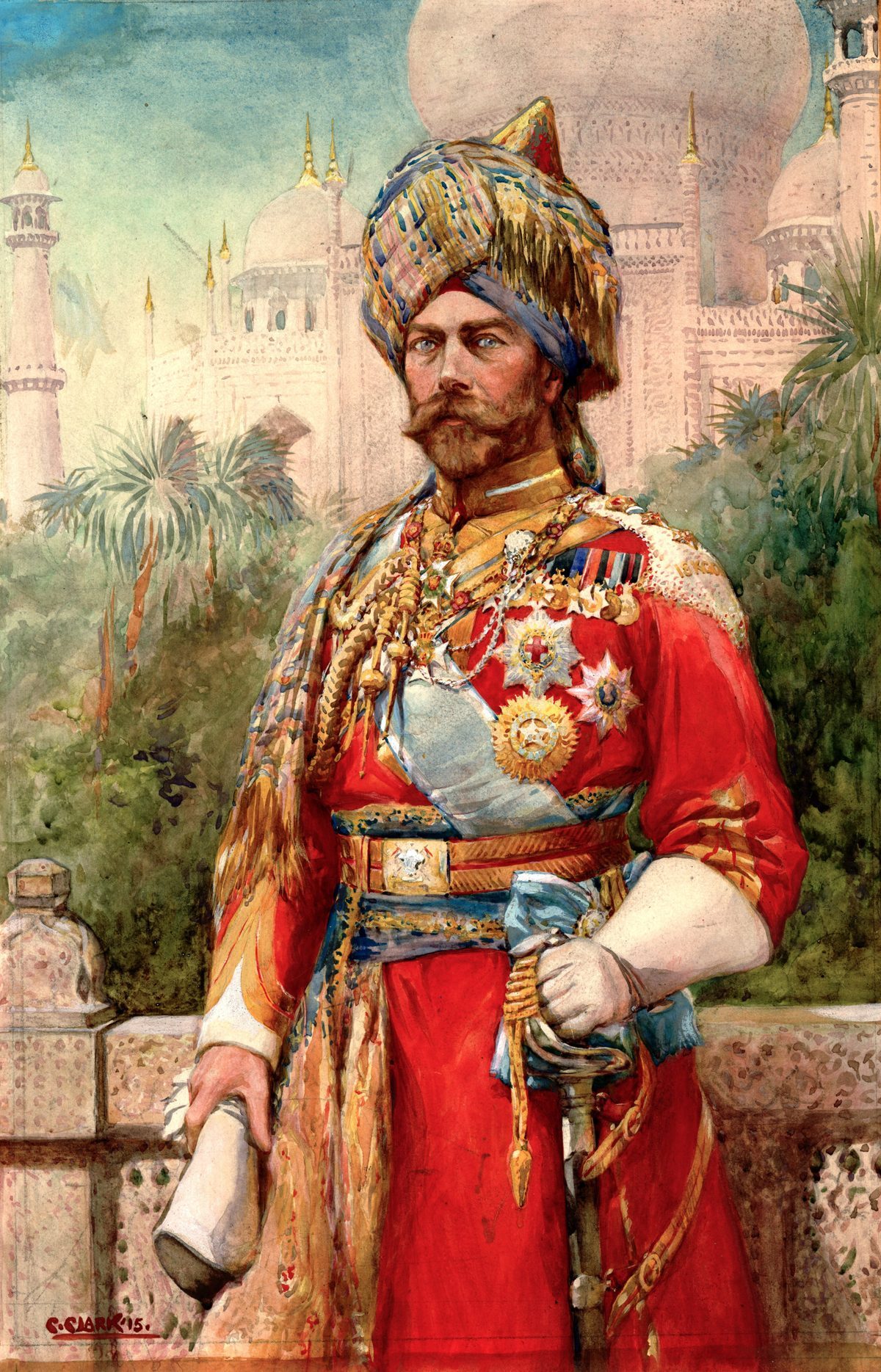
📷 Photo: Christopher Clark (1875 - 1942). Public domain via Wikimedia Commons.