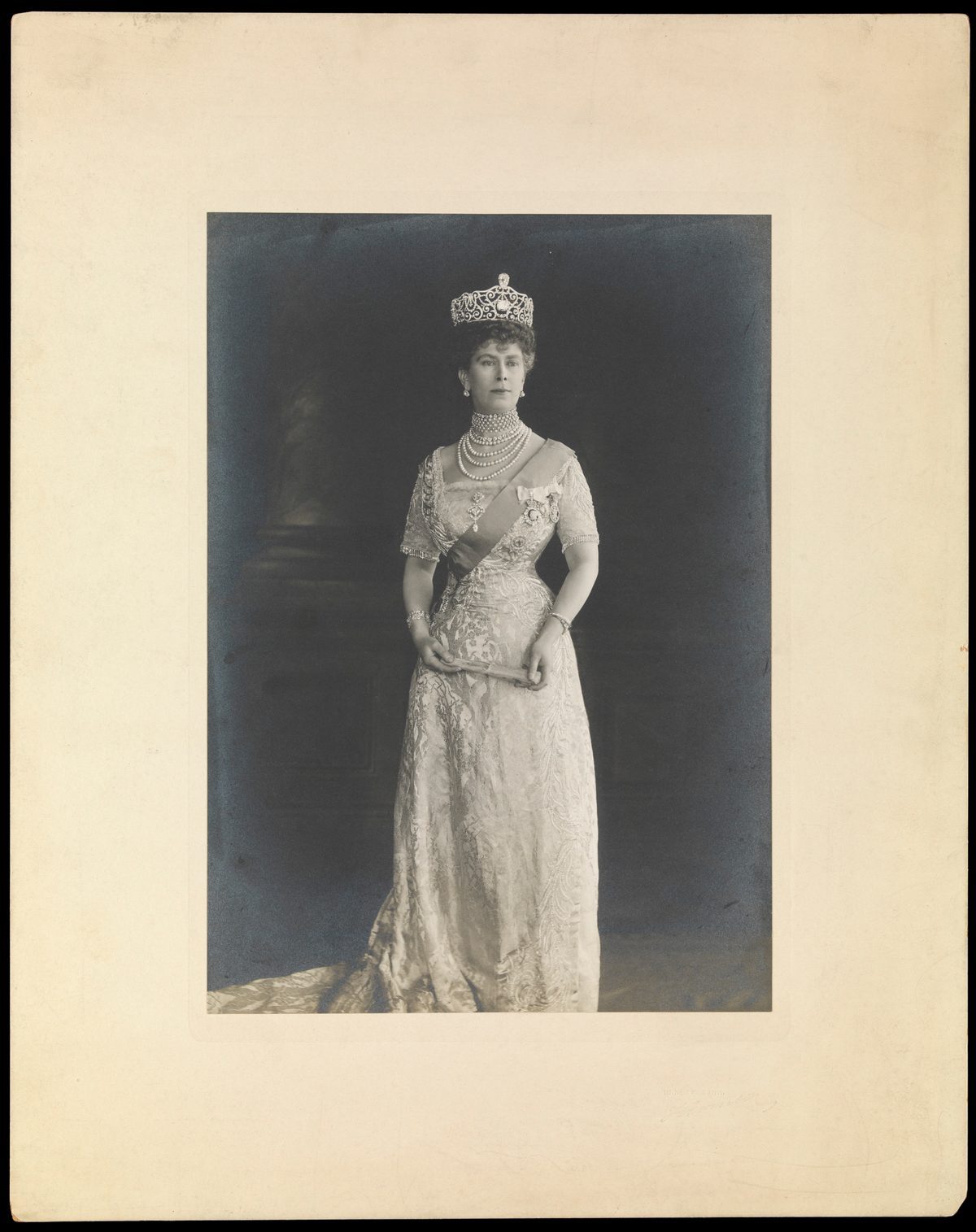
In the darkest year of the Great War, a letter landed on Queen Mary's desk that was never meant for royal eyes. What she did next was entirely unscripted — and the grieving mother who received her reply kept it until the day she died.
The Arrival of a Soldier's Final Words
Amidst the turbulent backdrop of 1916, when the Great War had mercilessly engulfed the lives of millions, a letter arrived at the heart of the British monarchy. Queen Mary, wife of King George V, found herself holding a soldier's last words — a letter destined for the comforting hands of a mother who might never see her son again. Yet, through a simple twist of fate, the letter had arrived in the gilded corridors of Buckingham Palace, intercepted perhaps by mistake but possessing a profound gravity that would weigh heavily on the Queen's heart.
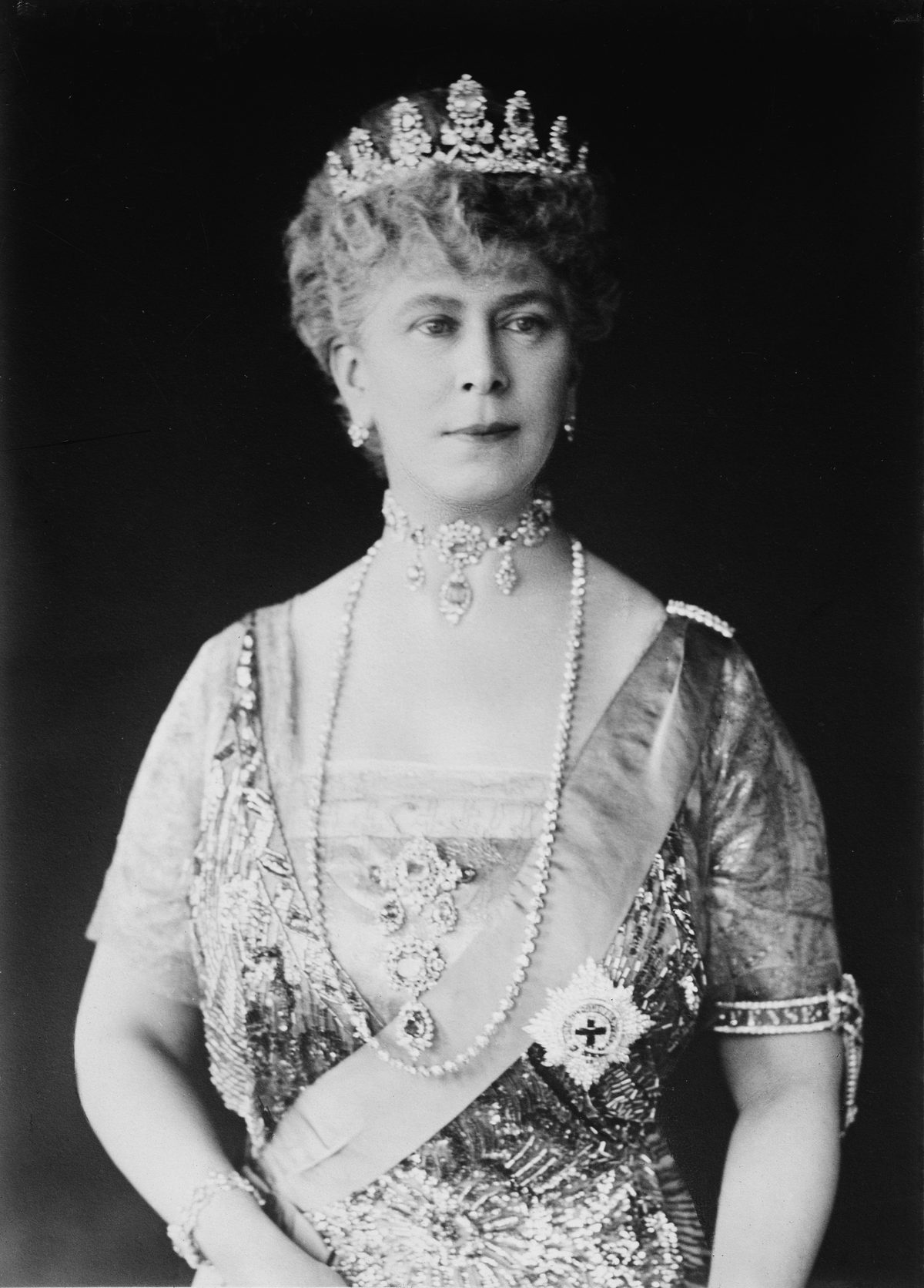
Queen Mary was known for her steadfast commitment to the royal duty and her deep empathy towards those affected by the war. Within the opulent rooms of the Palace, she carried a personal sorrow alongside the courage of her public facade. The letter, now before her, was a manifestation of the grief and sacrifice lived by countless families. She opened it carefully, aware of the sacredness of its contents.
Though much of its phrasing remains lost to history, the letter was a raw testament of a soldier's love for his family — words penned not with the ink of a seasoned writer but with the earnest heart of a determined spirit confronting his own mortality. The Queen read alone, her serene composure giving way to tears.
A Mother's Pain, A Monarch's Empathy
In those moments of quiet reflection, Queen Mary was not just a figurehead; she was a mother herself. She understood the sharp pangs of fear and loss, a universal language spoken in every corner of war-torn Europe. Her own sons, too, were engaged in the war effort. John, her youngest, suffered from epilepsy and was kept away from the front lines, yet her heart was no less anxious.
The royal court at the time was a hub of political and social activity, yet beneath the bustle lay an undercurrent of somber acceptance of the war's relentless grip. It was known that Queen Mary regularly participated in knitting efforts for soldiers and visited hospitals, displaying a genuine commitment to easing the burdens of war. The interception of the letter brought the conflict from the distant battlefields directly to her personal realm.
An Unscripted Royal Gesture
Queen Mary's decision that evening was not born of protocol but of profound humanity. She sat down at her desk and began to write, her pen moving across the paper with intimate sincerity. Her letter, crafted in her own elegant hand, was an expression of solidarity and compassion that often lingered behind her regal visage.
Though exact excerpts remain private, contemporary accounts suggest her words aimed to console the mother, to let her know that her son's sacrifice was recognized at the highest levels of the realm, and that he would be remembered with honor.
This unscripted correspondence reached the soldier’s mother shortly after. While the core details of their exchange have gently faded into the annals of time, the impact of the Queen's action did not. The mother is said to have cherished the letter, keeping it close until her own passing, a tangible reminder that her son's life had touched even the monarchy.
The Ripple Effect of Royal Kindness
Queen Mary's act was a reminder of the monarchy's unique position to touch individual lives amid the vast mechanism of statecraft. Within the hallowed walls of the palace, she embodied the ultimate connector between the nation’s leaders and its ordinary citizens. Her genuine response to one soldier's family reflected a broader commitment to understanding and bridging the personal struggles of her subjects during a time of unprecedented adversity.
In 1916, the clouds of war shadowed every aspect of life. The monarchy, though perfect in composure, was not immune to the emotional toll. Queen Mary's ability to offer solace, despite her own wartime burdens, affirmed her role as a beacon of stability and empathy.
A Timeless Gesture Echoing Forward
The royal world has evolved substantially since those harrowing wartime days. The complexities of modern monarchies differ greatly from the challenges faced during the early 20th century, yet the enduring values of compassion and personal touch persist. Queen Mary's unscripted epistolary gesture remains a vivid example of the monarchy's essential, timeless humanity.
Today, the British Royal Family continues to uphold traditions of charity and public service, championing causes ranging from mental health to conservation. Just as Queen Mary connected with humans of her time, the current royals strive to touch lives and spread warmth across nations and generations. Her letter was more than a sympathetic act; it was an articulation of how the British throne, even amidst the most profound national tragedies, has consistently stood as a source of solidarity and hope.
📷 Photo: John Thomson. CC BY 4.0 via Wikimedia Commons.